
This option depends on the property. Call (209) 563-1650 and we'll confirm whether it's the right fit before anything is scheduled.
Which Animals Can Be Kept Out, and Which Need a Wildlife Specialist?
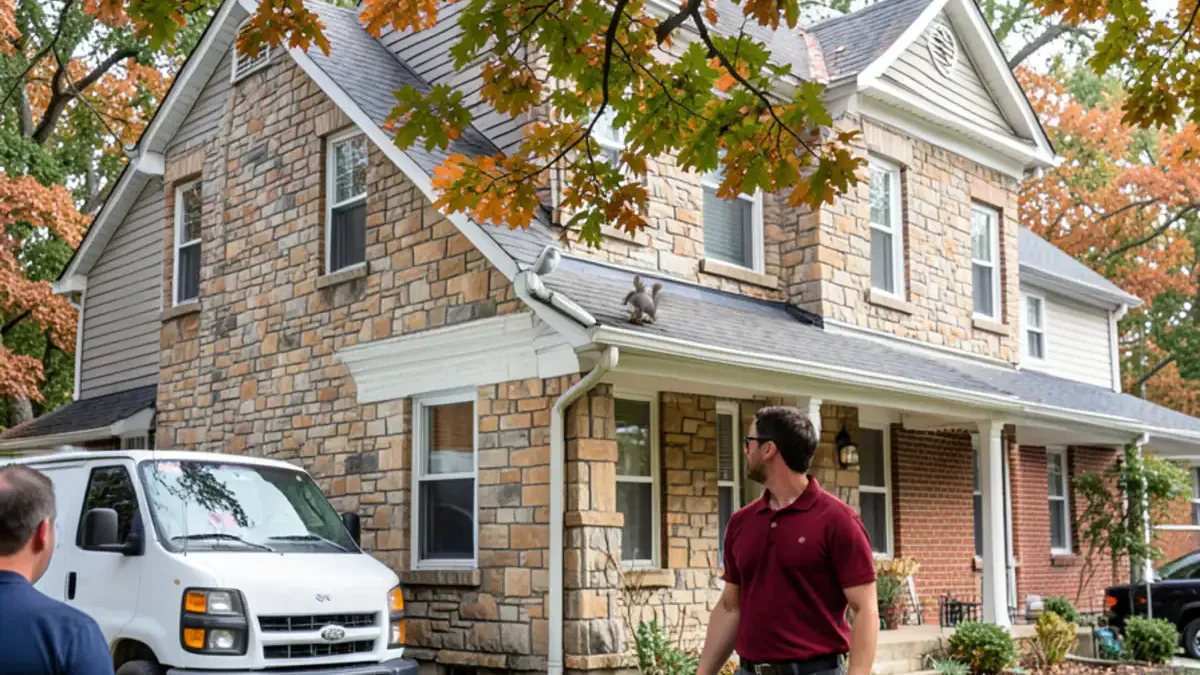
Squirrels and chipmunks are the animals homeowners most often find in attics, soffits and around foundations here, and exclusion is the standard approach for them. Pest birds such as starlings and house sparrows nesting in vents can often be handled with vent covers once nests are cleared, though most native birds are federally protected and need a different approach.
Chipmunks are mostly a ground-level problem on wooded lots here. They tunnel under patios, stoops and retaining walls, and now and then one finds its way into a basement through a window well or a gap beside a bulkhead door.
Raccoons, bats, groundhogs, skunks, opossums and other wildlife are a different matter. In Pennsylvania, these animals may require a wildlife control operator permitted by the Pennsylvania Game Commission, and bats in particular come with timing restrictions. Tell us what you are hearing or seeing, and we will say on the call what we can handle and when you need a permitted specialist instead.
Signs of Squirrels in the Attic
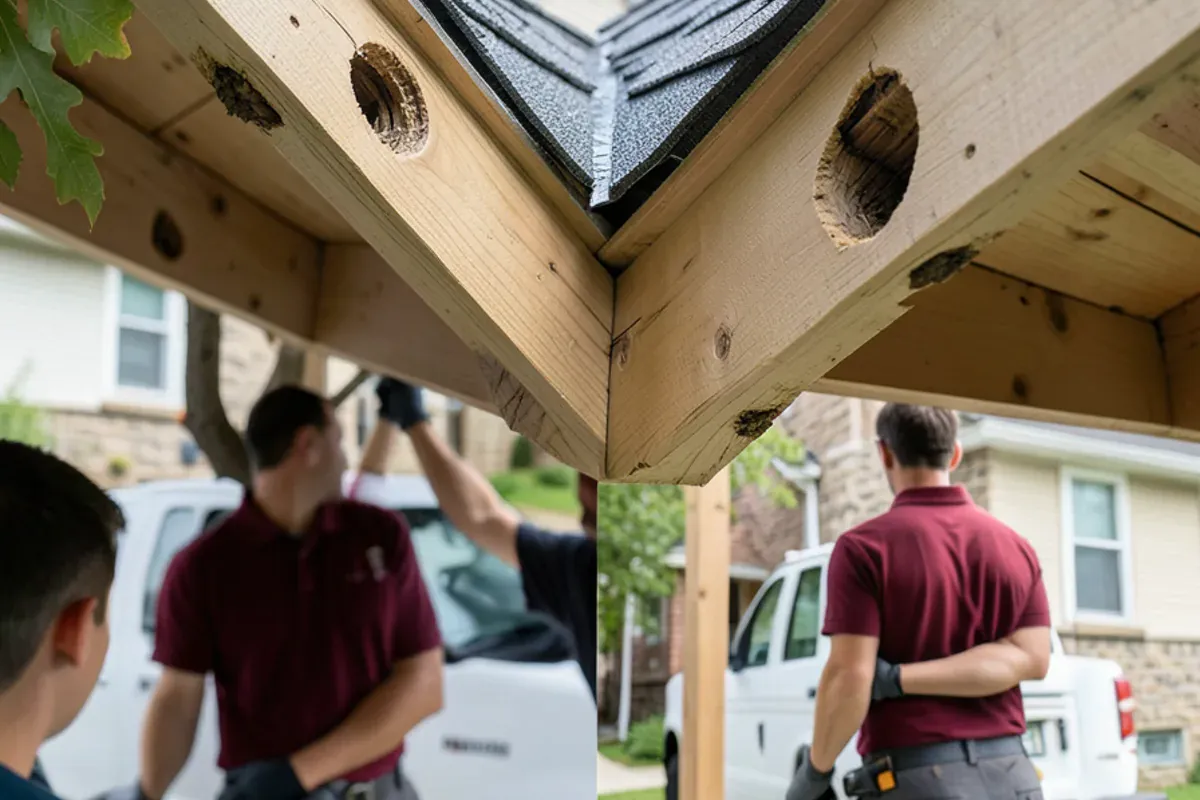
Squirrels keep daytime hours, so the giveaway is running, rolling or scratching overhead in the early morning and late afternoon, not in the middle of the night like mice. Outside, look for a chewed, rounded hole at a roof corner, fascia board or gable vent, often with fresh wood showing and gnaw marks on the edges.
Inside the attic you may find leaf and insulation nests, flattened insulation trails, droppings larger than a mouse's, and chewed wiring insulation, which is the most serious risk. Gray squirrels raise young in late winter to early spring and again in summer, so new noise in those months often means a litter.
How Do Squirrels Get Into an Attic?
Squirrels climb trees, gutters, downspouts and brick with ease and jump several feet from an overhanging branch. Their favorite entry points are corners where two rooflines meet, rotted or loose fascia and soffit boards, gaps around roof and plumbing vents, unscreened gable vents and chimney tops without caps.
Houses bordering Ridley Creek State Park, Rose Tree Park and the Crum Woods see the most squirrel pressure, because mature oaks and tulip poplars put branches right over the roof. Trimming limbs back from the roofline is one of the simplest ways to cut down on attempts.
Pennsylvania Game Commission Rules and Other Wildlife Law
Wild animals in Pennsylvania fall under the Pennsylvania Game Commission rather than the Department of Agriculture. The Commission issues the permits that let nuisance wildlife control operators trap and handle animals such as raccoons, skunks and groundhogs, and it sets the conditions for that work. Gray squirrels are a game species here, so one-way exclusion that lets them leave on their own is the simplest path. Bats are protected and should not be excluded while flightless young are in the roost.
Birds add a federal layer: most native species and their active nests are protected under the Migratory Bird Treaty Act, while European starlings, house sparrows and feral pigeons are not. If bait or another pesticide becomes part of the job, the Pennsylvania Department of Agriculture's rules under the Pesticide Control Act of 1973 apply. This is general information, not legal advice.
Talk to us about squirrel and wildlife exclusion
Call and speak with Thom or his team. The inspection is free, and you get a written quote before any treatment.
- ★ 4.8 from 21 Google reviews
- Open 7 days, 8 a.m. to 7 p.m.
- Free inspection before treatment
- Family-run, based in Media, PA
Open 7 days, 8 a.m. to 7 p.m.
Wildlife Exclusion Options for Pennsylvania Homes
The method depends on the animal, the opening and whether young are present.
| Method | Where it is used | Things to know |
|---|---|---|
| One-way exclusion door | Over the main squirrel entry hole | Lets animals out but not back in; left in place until activity stops |
| Metal flashing or hardware cloth | Chewed fascia, roof corners, secondary gaps | Squirrels chew through wood and plastic, so repairs use metal |
| Vent and chimney covers | Gable, roof and exhaust vents; chimney flue tops | Block entry while keeping airflow |
| Branch trimming | Limbs within jumping distance of the roof | Usually done by the homeowner or a tree service |
| Ground-level barriers | Chipmunk burrows by patios, steps and walls | Hardware cloth or gravel can discourage digging |
How Squirrel Exclusion Works, Step by Step
Identify the animal
Noise timing, droppings and entry holes confirm whether it is squirrels or wildlife that needs a permitted operator.
Roofline inspection
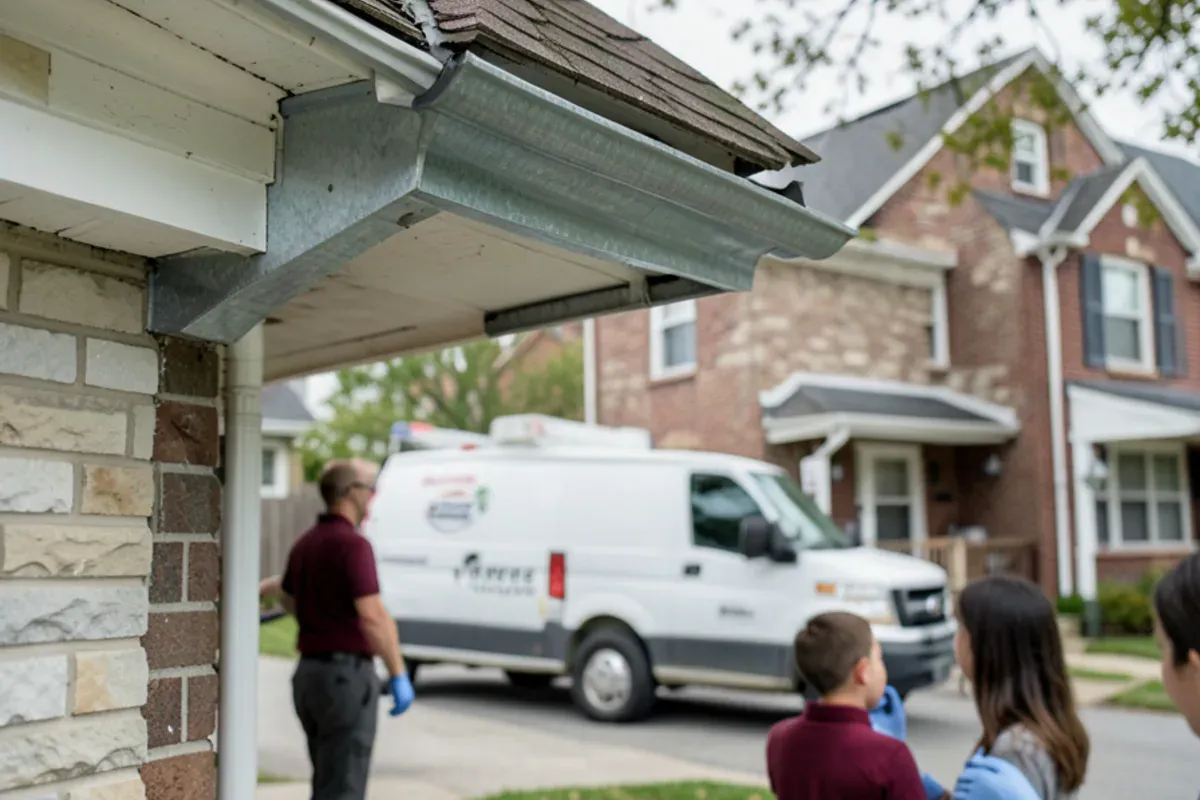
Every opening is noted from the ground and, where safe, from a ladder.
Written quote
The scope lists the main entry, secondary gaps and repair materials.
Check for young
During breeding season, the attic is checked for a litter so young are not sealed inside.
One-way exit
An exclusion door goes over the main hole; secondary gaps are closed with metal.
Final seal
After several quiet days, the door comes off and the opening is permanently repaired.
What Affects the Cost of Wildlife Exclusion?
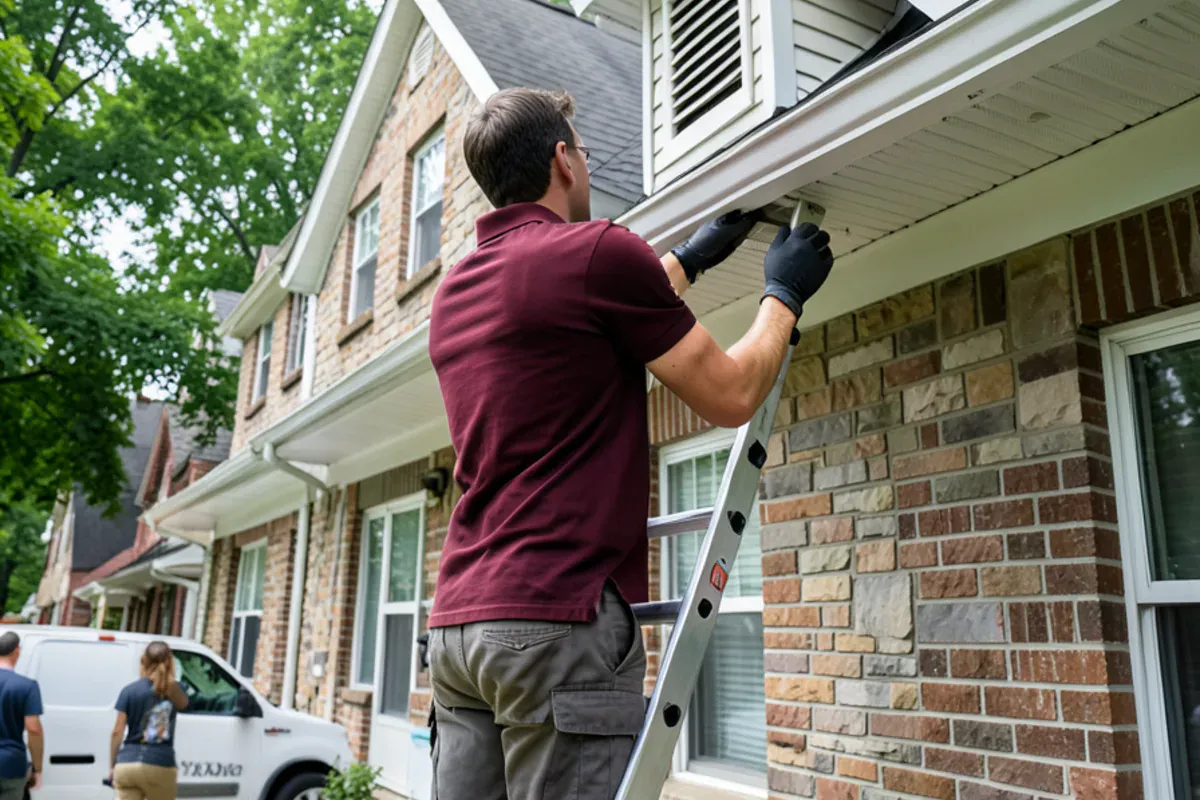
Roof height drives much of the effort on a squirrel job. A one-story ranch in Aston or Village Green can often be reached from a short ladder, while a tall pre-war house in Swarthmore or a Victorian in Wayne with steep gables needs more setup and more time at each opening.
The condition of the wood matters too. Squirrels go for soft, rotted fascia, so a hole may sit in a run of trim that needs more than a patch, and breeding season can add a waiting period before the final seal. The written quote lists each opening and the material planned for it.
- Which animal is involved, and whether a permitted wildlife operator is needed.
- Number of entry holes and how much fascia or soffit is damaged.
- Roof height and pitch, which affect ladder access and safety.
- Whether young are present and timing has to wait.
- Chimney caps, vent covers and other materials required.
- Attic cleanup of nests, droppings or soiled insulation afterward.
After the Animals Are Out: Sealing and Monitoring
Once the opening is repaired, listen for a week or two. Silence in the morning and late afternoon means the job worked; new scratching usually means a second hole or a squirrel that chewed in elsewhere. Gnaw marks on fresh repairs should be reported right away.
Squirrels leave nests and droppings behind, and mice often follow the same openings, so attics may need attention after exclusion. Our rodent cleanup and sanitation page explains how that is handled. If the noises are smaller and come at night, read about mouse control; heavier thumping low in the house or burrows in the yard point toward rat control instead.
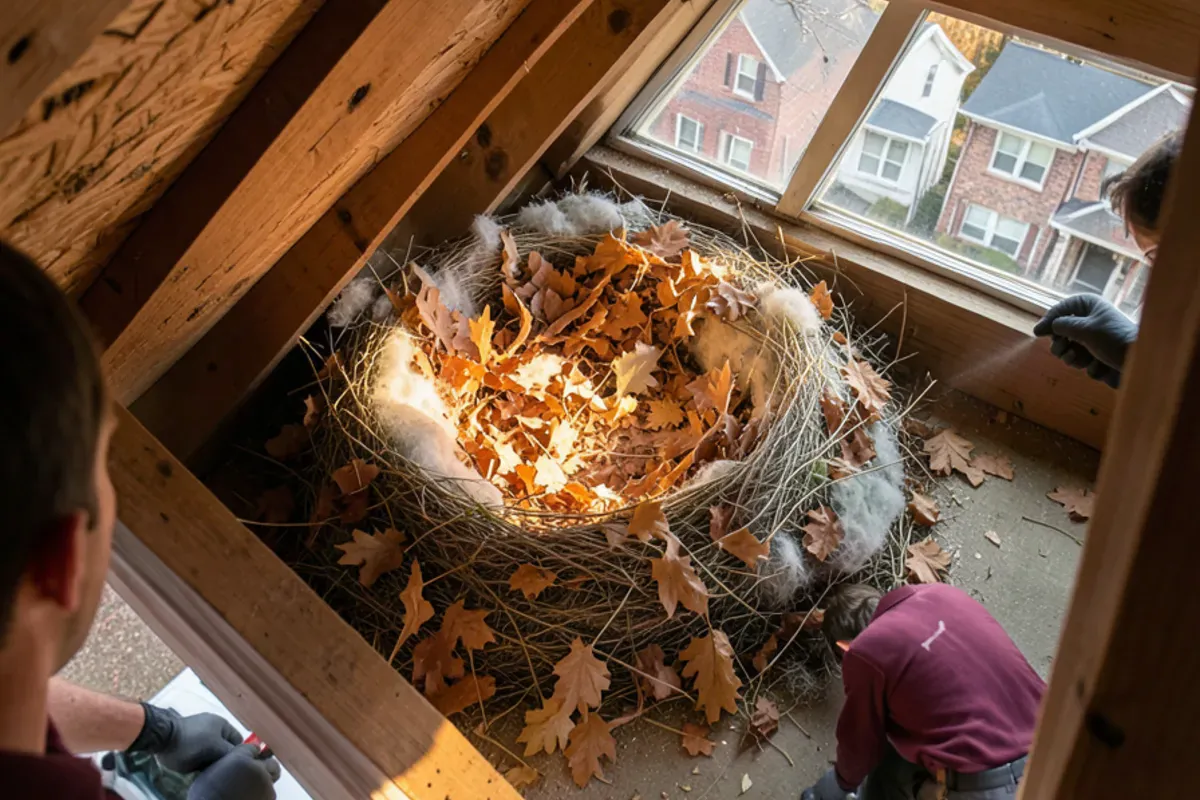
What our squirrel and wildlife exclusion includes
- Identification of the animal and whether a permitted wildlife operator is needed
- Roofline and attic inspection for entry holes and nests
- Written quote listing each opening and the repair material
- Check for young before any opening is sealed
- One-way exclusion door over the main squirrel entry
- Metal repairs on chewed fascia, roof corners and vents
- Final permanent seal once activity stops
Why call No Bugs Exterminator for squirrel and wildlife exclusion
Straight answers on wildlife
We tell you on the call what we can handle and when a Pennsylvania Game Commission–permitted operator is the right call.
Wooded-lot know-how
From our Media base we see the squirrel pressure that comes with mature trees around Ridley Creek and the Crum Woods.
Open 7 days
Thom and his team are reachable every day from 8 a.m. until 7 p.m., including weekends.
A free roofline look
The inspection costs nothing, and you see each chewed opening listed in a written quote before repair work starts.
Rated 4.8 on Google
That rating comes from 21 Google reviews by homeowners and businesses around our area.
Where we provide squirrel and wildlife exclusion
Squirrel calls come mostly from tree-heavy neighborhoods. In Upper Providence, Rose Tree Park and Ridley Creek State Park put wooded lots behind most houses. Edgmont borders the same park, with newer subdivisions backing onto woods. Rose Valley and Swarthmore have large older homes under mature trees near Ridley Creek and the Crum Woods, where branches reach right over the roof.
- Chadds Ford Township
Wooded hillsides along the Brandywine and the Route 1 corridor put mature trees beside 1980s homes, giving squirrels easy jumps to the roofline.
- Concord Township
Garnet Valley-area subdivisions from the 1990s back onto tree lines, and their vinyl soffits and ridge vents are frequent squirrel chew points.
- Bethel Township
1990s subdivisions on former farmland near Booths Corner keep wooded hedgerows, where chipmunks tunnel under patios, stoops and walkways.
- St. Davids
Mature trees around Eastern University and the side streets off Lancaster Avenue hang over older roofs, a direct route for squirrels into attics.
- Rosemont
Apartment buildings and older homes near Rosemont College sit under tall shade trees, so roofline gaps on multi-unit buildings draw squirrels.
- Haverford Township
Darby Creek's wooded banks through Havertown and Llanerch put oak and tulip poplar limbs over 1950s rooflines and attic vents.
- Nether Providence Township
Wallingford homes beside Smedley Park and Crum Creek sit under mature canopy, and uncapped chimney tops invite squirrels and nesting birds.
- Chester County
Horse country and wooded lots west of Route 202 bring squirrels, chipmunks and nesting birds to barns, garages and newer subdivision homes.
- Montgomery County
Main Line estates under old trees and Schuylkill River towns with older rooflines give squirrels plenty of soffits and gable vents to work on.
What customers say on Google
4.8 out of 5 from 21 reviews on Google. Quoted as written by customers.
Excellent service, very professional and friendly! Most importantly the results gave me peace of mind! Highly recommended!
Professional service with great results!
Thom is a top-notch pest control specialist! And is one of the most genuine guys in the industry. He came to inspect a situation I had going on at the house, took his time, offered detailed advice, and didn’t take a penny.
Squirrel and Wildlife Exclusion: common questions
Which animals can you keep out, and which need a wildlife specialist?
Squirrels, chipmunks and pest birds in vents are the usual exclusion jobs. Raccoons, bats, groundhogs, skunks and other wildlife may require a wildlife control operator permitted by the Pennsylvania Game Commission. Describe the animal, the noises and when you hear them, and we will tell you on the call what we can handle or who you should contact.
How do squirrels get into an attic?
Usually by chewing. Squirrels climb gutters, downspouts or nearby trees, then gnaw through rotted fascia, roof corners where two rooflines meet, gable vent screens or gaps around plumbing vents. Where Ridley Creek State Park woods meet back yards, overhanging oak branches give them a direct jump onto the roof, so trimming limbs helps a lot.
Can you seal an attic once animals are gone?
Sealing is the final step, but only once the attic is confirmed empty. A one-way exclusion door lets squirrels leave first; after several quiet days, it comes off and the hole is repaired with metal. During breeding season, the attic is checked for young first, because sealing in a litter causes odor and new damage.
Who should I call for a raccoon in the attic?
Call us first so we can hear what is going on, but raccoons usually need a wildlife control operator permitted by the Pennsylvania Game Commission. Heavy thumping at night, a torn roof vent or a damaged soffit are typical raccoon signs. Once a specialist has removed the animal, the entry can be repaired and sealed.
When can bats be excluded from a house?
Bats should not be excluded while flightless pups are in the roost, generally late spring through mid-summer, because the young would be trapped inside. Bats are protected, and exclusion is usually done in spring or fall by a wildlife specialist. If a bat is loose inside a living space, keep people and pets away from it.
Related services
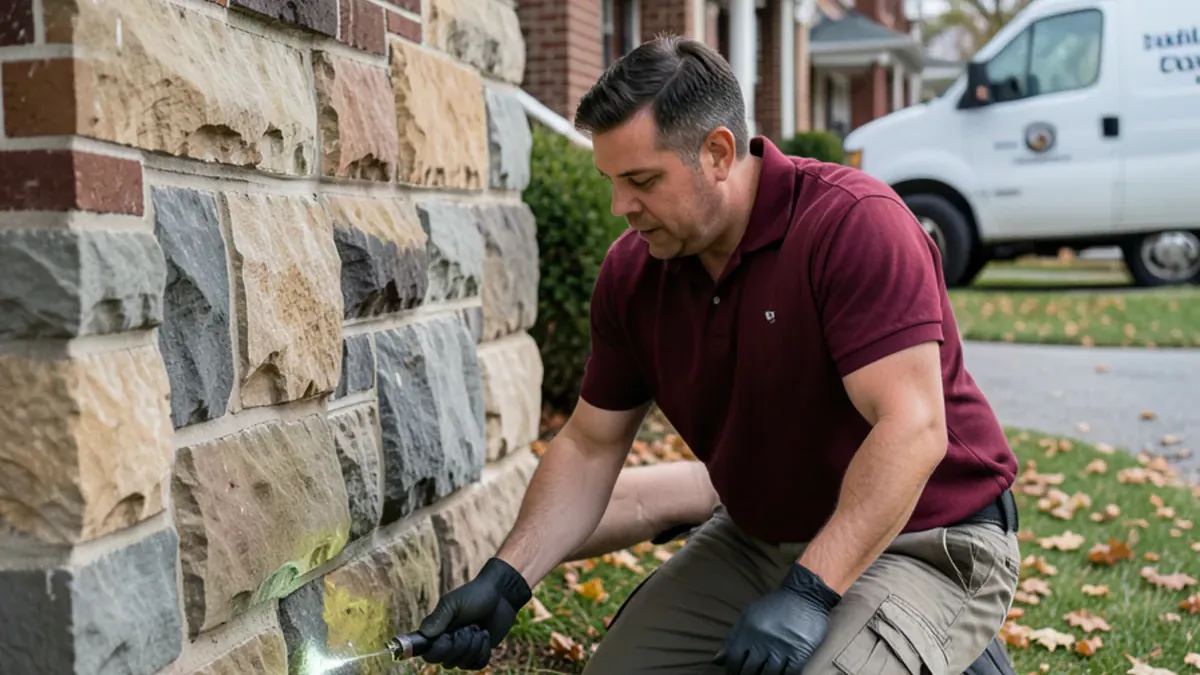
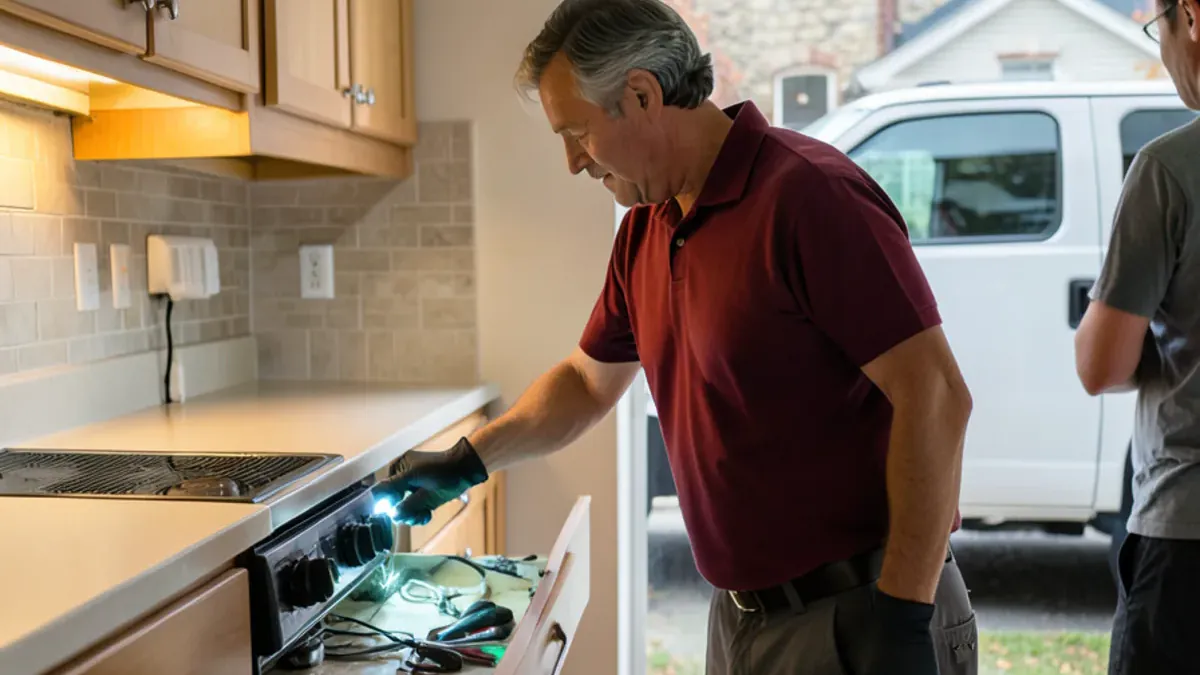
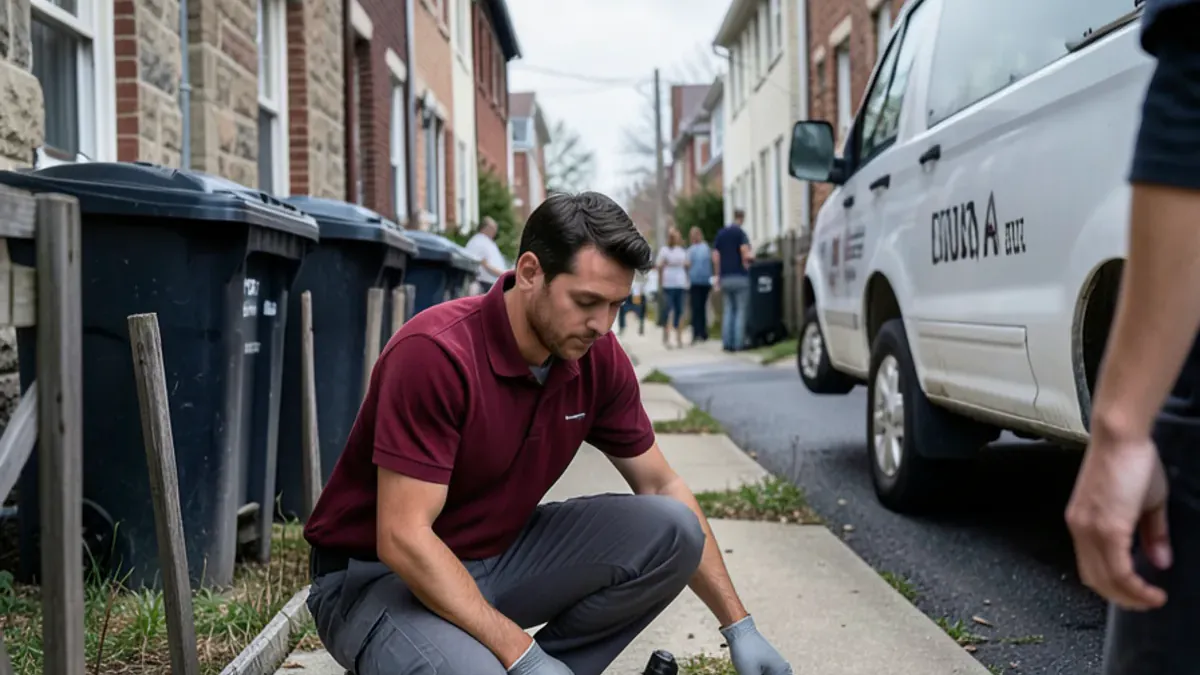
Helpful guides from our blog
Ready to get rid of the problem?
Thom and his team serve Media, Delaware County and southeastern Pennsylvania, open 7 days, 8 a.m. to 7 p.m..
- ★ 4.8 from 21 Google reviews
- Open 7 days, 8 a.m. to 7 p.m.
- Free inspection before treatment
- Family-run, based in Media, PA
Open 7 days, 8 a.m. to 7 p.m.