
Signs of a Rodent Infestation: Mice or Rats?
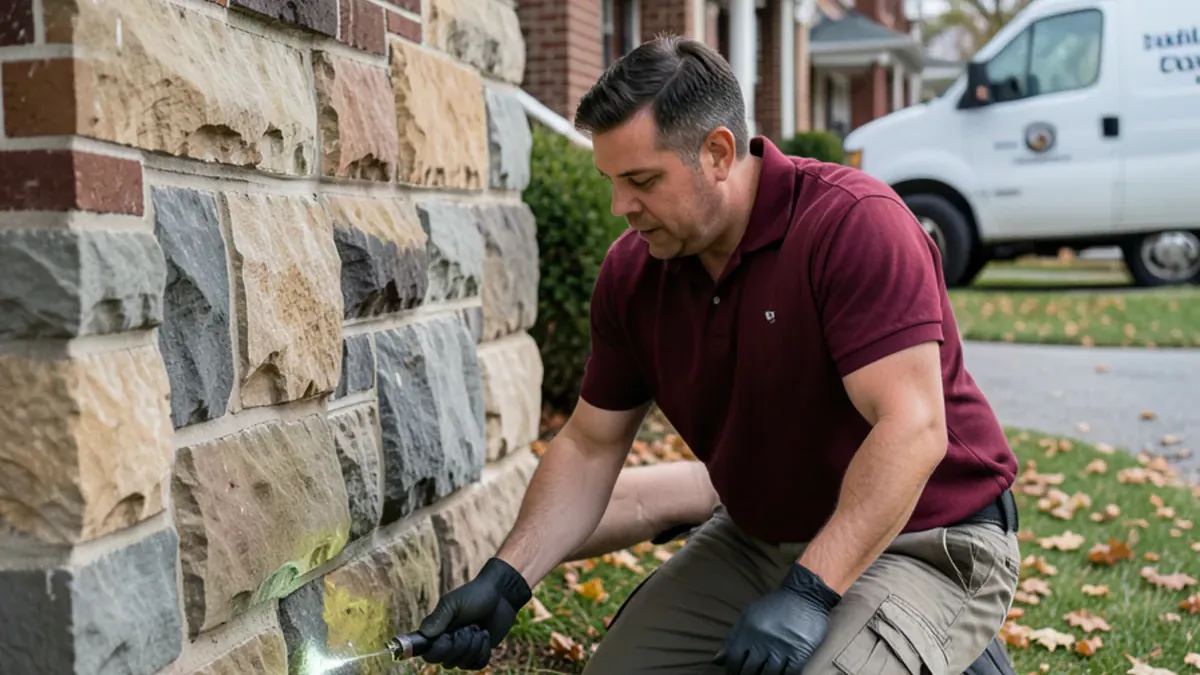
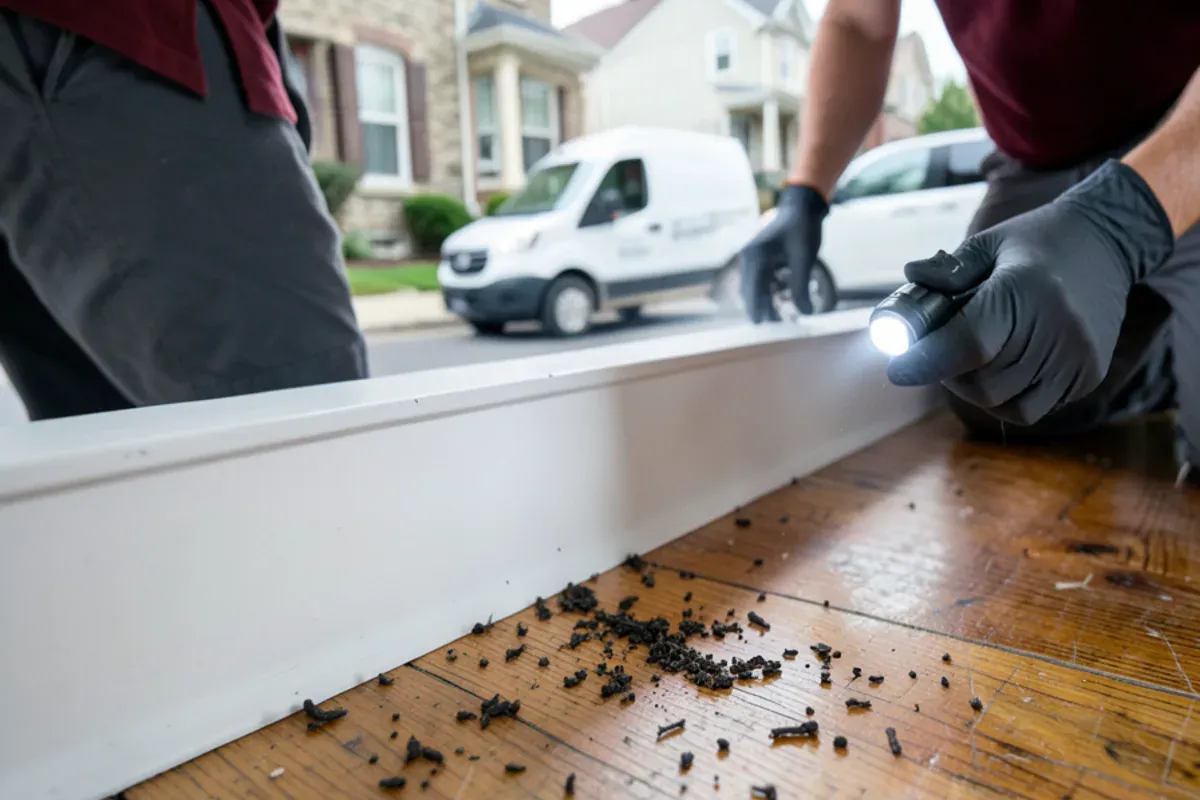
Most people notice droppings first, usually along a kitchen baseboard, under the sink or on a basement shelf. Other clues: scratching in a wall after dark, chewed packaging, shredded insulation and greasy rub marks along a joist.
Telling mice from rats matters because the two need different trap sizes, bait placement and exclusion materials. The table below covers the quick ways to tell them apart; our mouse control and rat control pages go into each animal in depth.
Timing is a clue as well. Around Media, mouse signs tend to appear after the first cold snap in October and cluster near warmth: behind the refrigerator, beside the furnace and along the heated side of a party wall. Rat signs are less tied to the calendar and usually start outdoors, as fresh holes along a fence line, under a shed or in a garden bed, with packed-dirt runways leading to them.
A sharp, musky smell in a closed cabinet, or a dog or cat suddenly fixated on one spot under an appliance, usually means a nest is close by, even before you find a single dropping.
| Clue | House mouse | Norway rat |
|---|---|---|
| Droppings | About 1/4 inch, pointed ends, scattered | About 3/4 inch, blunt ends, often in piles |
| Smallest gap used | About 1/4 inch, roughly a dime | About 1/2 inch, roughly a quarter |
| Where it lives | Inside walls, cabinets, attics, stored boxes | Burrows in soil, under slabs and sheds, low in basements |
| Behavior | Curious, explores new objects quickly | Wary of anything new, often avoids traps at first |
| Usual season indoors | Fall into winter | Year-round, tied to food and shelter outside |
Why Do Mice and Rats Get Into Delaware County Homes?
Cold is the biggest trigger. When overnight temperatures drop in October and November, mice that spent the summer in yards, hedges and garages start looking for warmth, and a house with a small gap at the foundation is an easy target.
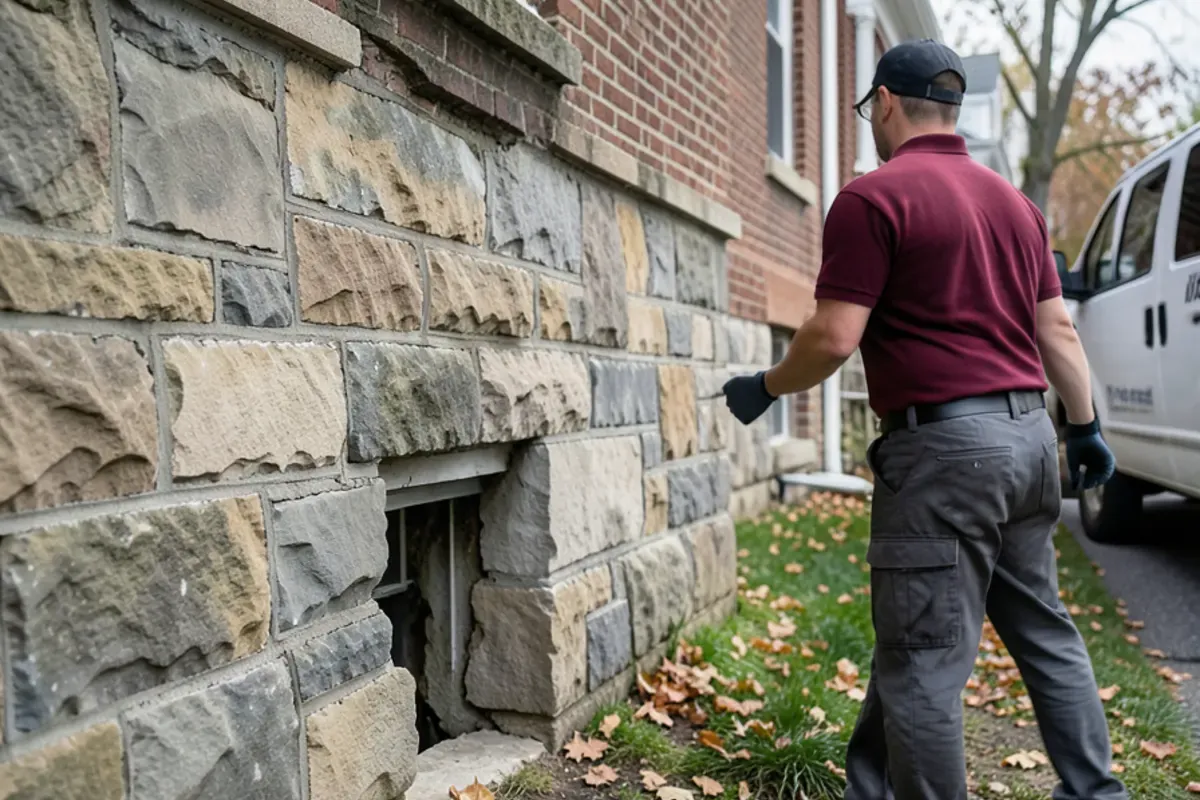
The housing stock here works in their favor. Much of eastern Delaware County was built before 1950, with Census (ACS) estimates putting the median home in Upper Darby at 1948 and Lansdowne at 1943. Stone and block foundations shed mortar as they age, and twins and rowhomes share party walls, so mice can move between attached homes through the same voids that carry pipes and wiring.
Rats follow water and food. Norway rats burrow along creek banks such as Darby, Cobbs and Crum creeks, in alleys behind row streets and around trash and compost near the Philadelphia city line. Bird feeders, pet food left outdoors and overflowing bins keep them close to houses.
How We Find Where Rodents Get In
Traps alone treat the symptom. During the free inspection, Thom and his team walk the outside of the building at ground level looking for gaps around pipes, cable lines, dryer vents, garage door corners, crumbling mortar and openings at the sill plate where the house frame meets the foundation.
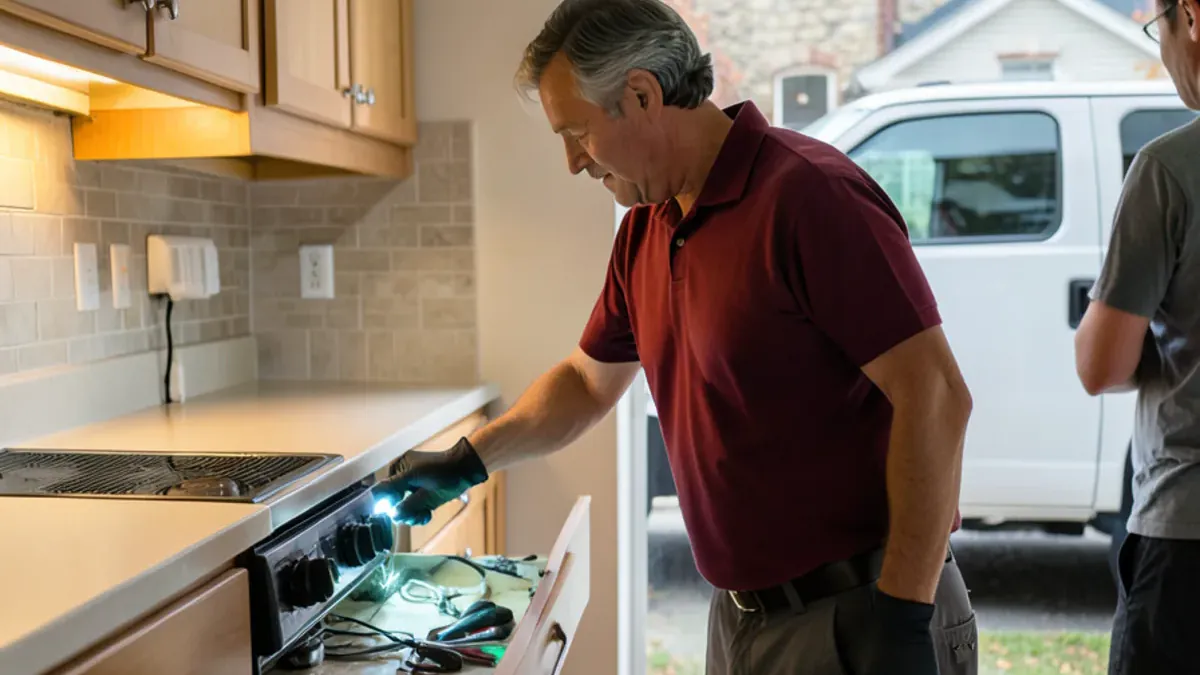
Inside, we follow droppings, rub marks and gnawing back toward their source, checking the basement, utility chases, under kitchen and bathroom cabinets and, where it is accessible, the attic. In attached homes we pay close attention to the party wall line and the shared basement areas where pipes pass through.
Rodent Removal Options and Their Trade-Offs
Most jobs combine two or three of the methods below. The right mix depends on the species, how many animals are active, whether children or pets are in the home and how the building is put together.
- Snap traps — fast, no poison and no hidden carcass, but they need correct placement and regular checks.
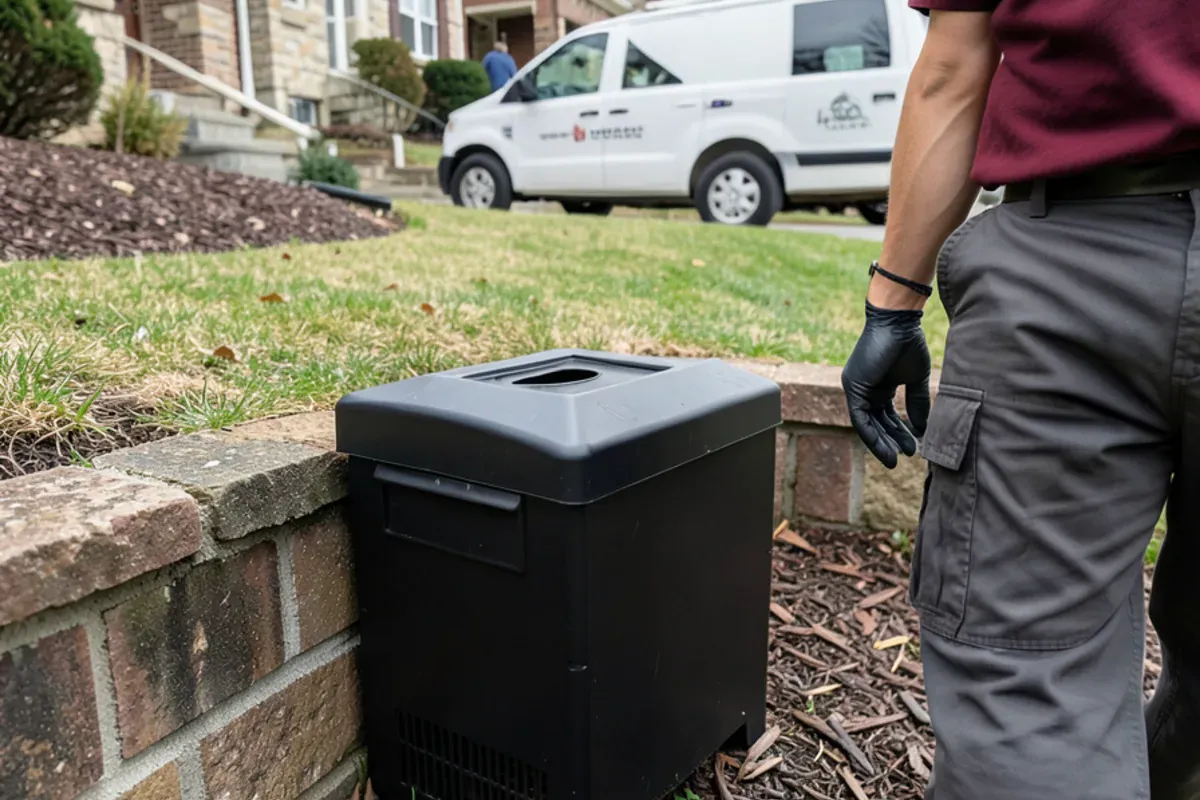
- Tamper-resistant bait stations — useful outdoors and in crawlspaces for larger populations; placed by label directions and kept locked, but an animal may die out of reach.
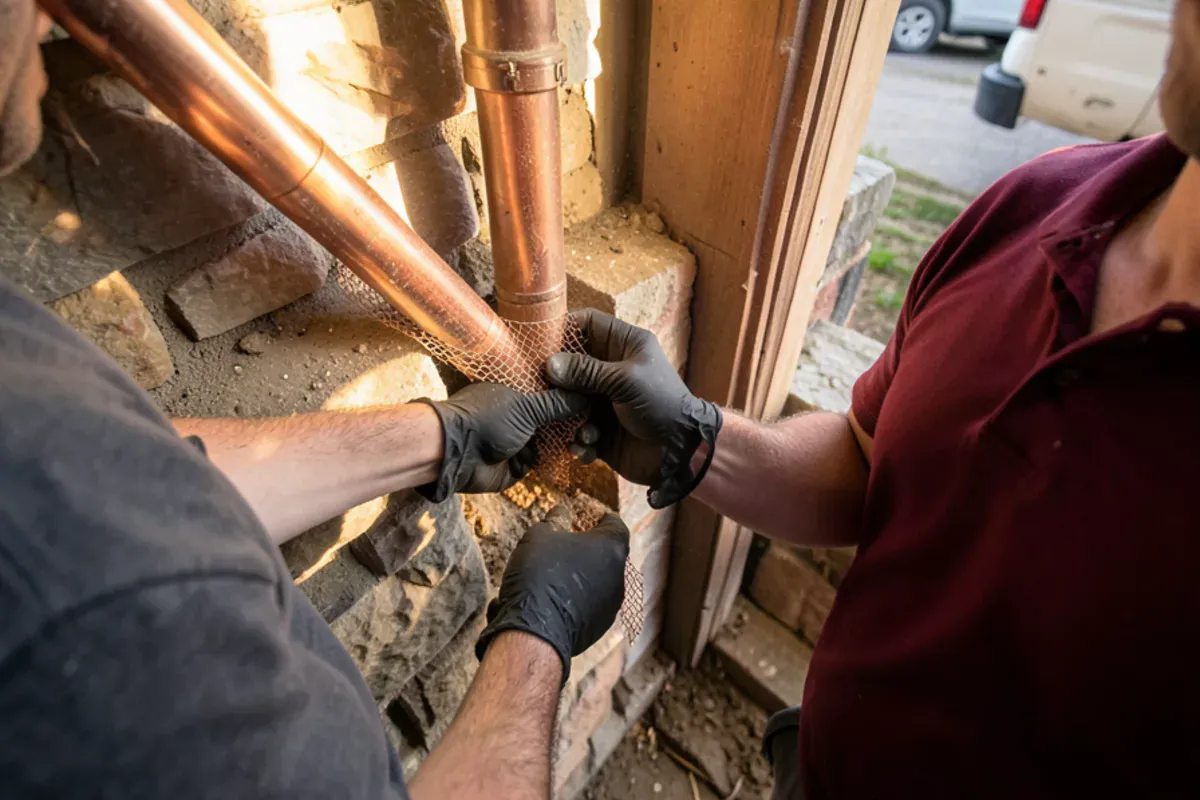
- Exclusion — sealing entry points with metal mesh, hardware cloth, sealant and mortar patching; it is the step that keeps the problem from returning. See rodent exclusion.
- Cleanup and sanitation — removing droppings, nesting and soiled insulation after activity stops; read about rodent cleanup and sanitation.
- Pre-demolition baiting — clearing rodents from a vacant building before it comes down; see pre-demolition rodent baiting.
- Squirrel and wildlife exclusion — for larger animals in attics and soffits; see squirrel and wildlife exclusion.
Talk to us about rodent control
Call and speak with Thom or his team. The inspection is free, and you get a written quote before any treatment.
- ★ 4.8 from 21 Google reviews
- Open 7 days, 8 a.m. to 7 p.m.
- Free inspection before treatment
- Family-run, based in Media, PA
Open 7 days, 8 a.m. to 7 p.m.
What Happens During a Rodent Control Visit
Free inspection
We check the exterior, basement, kitchen and attic for droppings, runways, nests and every gap that could let a mouse or rat inside.
Written quote
You receive a written quote describing the traps or stations, the entry points to seal and any cleanup that makes sense.
Trapping and baiting
Traps go along walls and runways indoors; locked stations go outside where label directions allow. We explain where each device sits.
Sealing entry points
Gaps are closed with materials matched to the animal, and the last opening is sealed once activity shows the animals are gone.
Follow-up checks
We return to empty and reset traps, remove any rodents caught and confirm that no new droppings or gnawing have appeared.
What Affects Rodent Control Cost?
We do not post prices because two houses on the same block can need very different work. Your written quote will reflect these factors.
Local construction moves the number more than anything else. A 1990s house in Edgmont with a newer foundation may have a handful of utility gaps to close, while a 1920s stone twin in Upper Darby or Lansdowne can need mortar patching along the whole foundation and a conversation with the attached neighbor. Rats living along a creek bank or beside a commercial dumpster also mean more exterior stations and more weeks of monitoring.
- Species: rats usually need more stations, more visits and heavier exclusion materials than mice.
- Size of the infestation and how long it has been active.
- Number and type of entry points, especially in stone foundations and old masonry.
- Whether the home is detached or shares a party wall with neighbors.
- Attic, crawlspace or wall-void access.
- Whether cleanup of droppings or nesting material is part of the job.
- Number of follow-up visits needed to confirm the problem is solved.
Pennsylvania Rules on Rodent Bait and Who May Apply It
Rodent baits are regulated pesticides. The Pennsylvania Department of Agriculture (PDA) licenses pest control businesses and certifies pesticide applicators under the Pennsylvania Pesticide Control Act of 1973, and anyone placing bait for hire has to follow that law and the product label. Under 7 Pa. Code § 128.31, a pest control business shows its license number on its service vehicles, and you can ask any provider for its PDA business license number before work begins.
Two related rules come up on rodent jobs. Pennsylvania Act 35 of 2002 requires public schools to keep an integrated pest management plan and notify parents and staff before pesticide applications. When a building is scheduled to come down, many municipal permit offices ask for proof of rodent baiting before issuing a demolition permit. This is general information, not legal advice.
Rodent Proofing You Can Start Today
A few habits make your home far less inviting while you wait for an inspection. Store pet food, birdseed and pantry staples in hard plastic or metal containers, keep trash bins lidded and away from the foundation, and trim shrubs and ivy back from the siding so rodents cannot travel along the wall unseen.
Move firewood and stored items at least a foot off the ground and away from the house, and fit a sweep on any exterior door with daylight underneath. If rodents are inside living areas, chewing wiring or you have heard one in a child's room, our emergency pest control page explains how quickly we can usually help. For insects and everything else, start at our Media pest control home page.
Rodent Control: every service in this group
Mouse Control
Mouse Control in Media and Delaware County, PA
Learn more →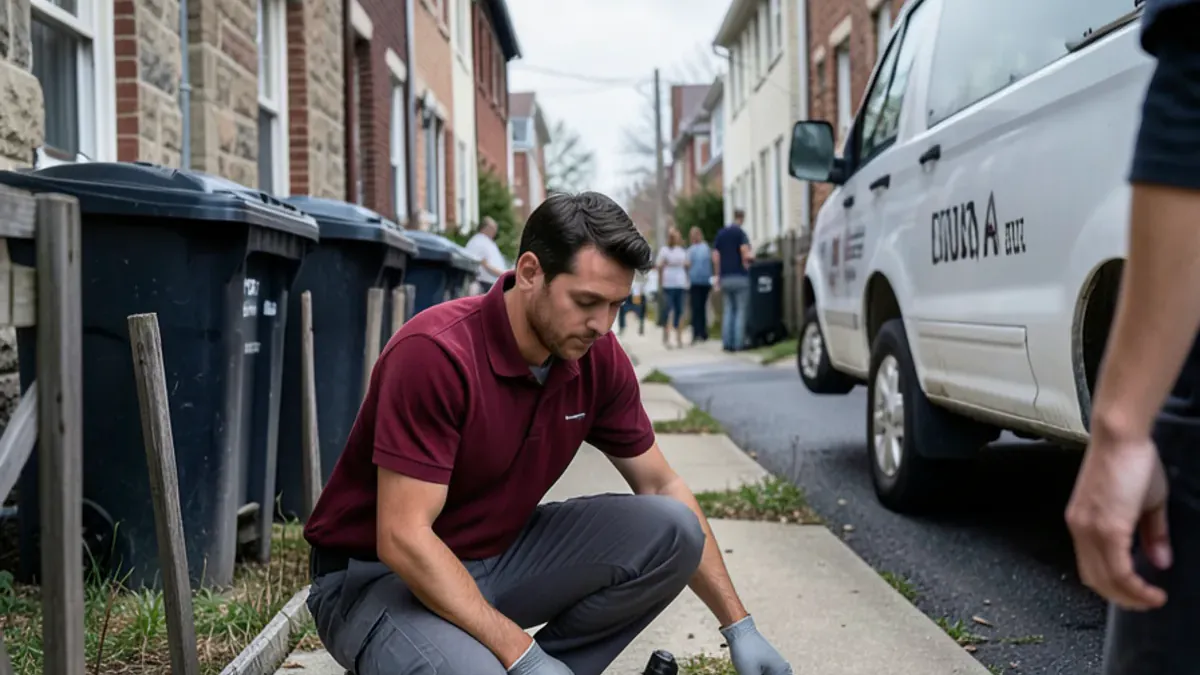
Rat Control
Rat Control in Media and Delaware County, PA
Learn more →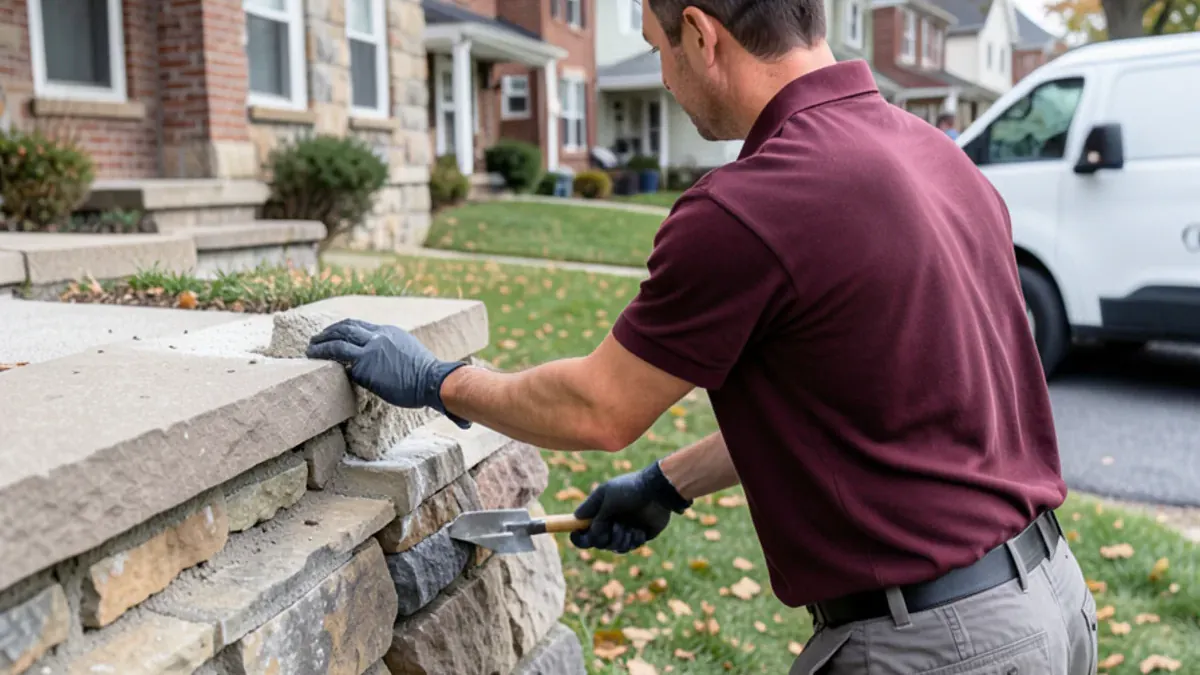
Rodent Exclusion
Rodent Exclusion in Media and Delaware County, PA
Learn more →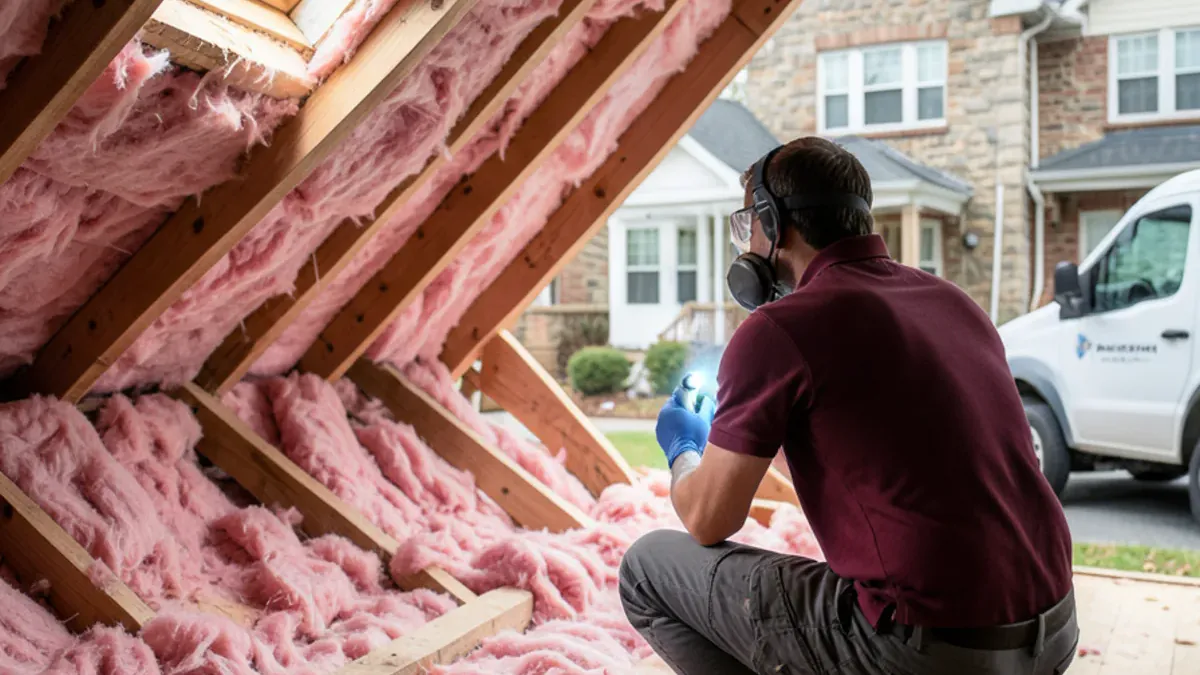
Rodent Cleanup and Sanitation
Rodent Cleanup and Sanitation in Media and Delaware County, PA
Learn more →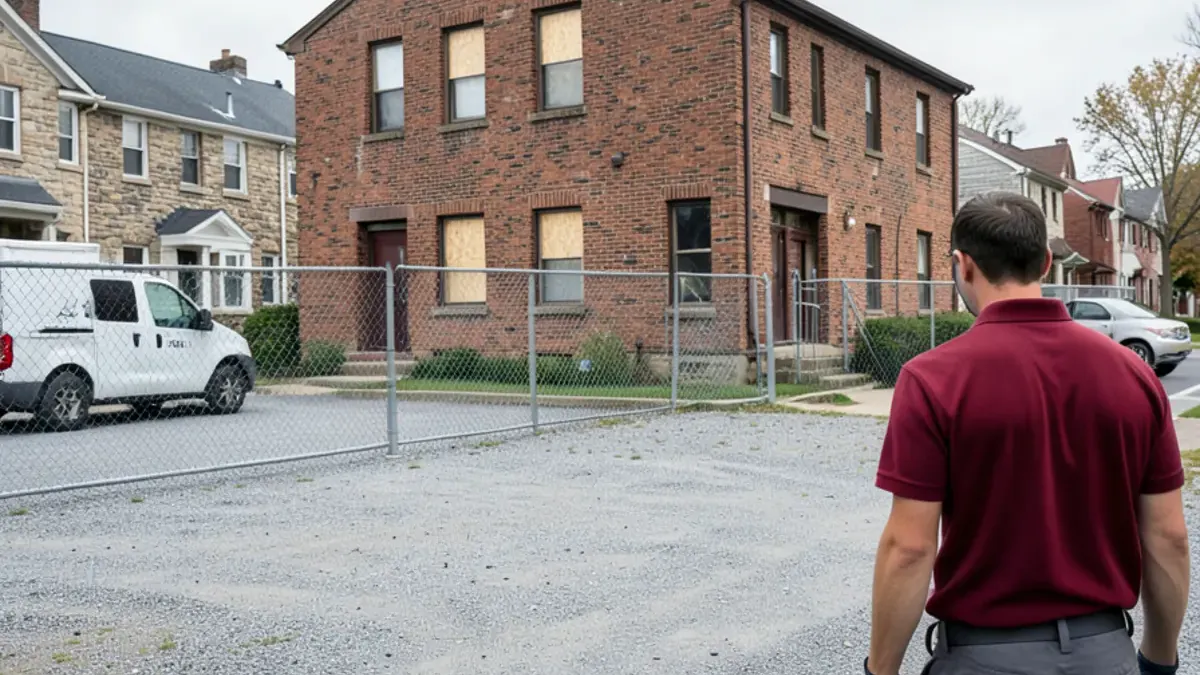
Pre-Demolition Rodent Baiting
Pre-Demolition Rodent Baiting in Media and Delaware County, PA
Learn more →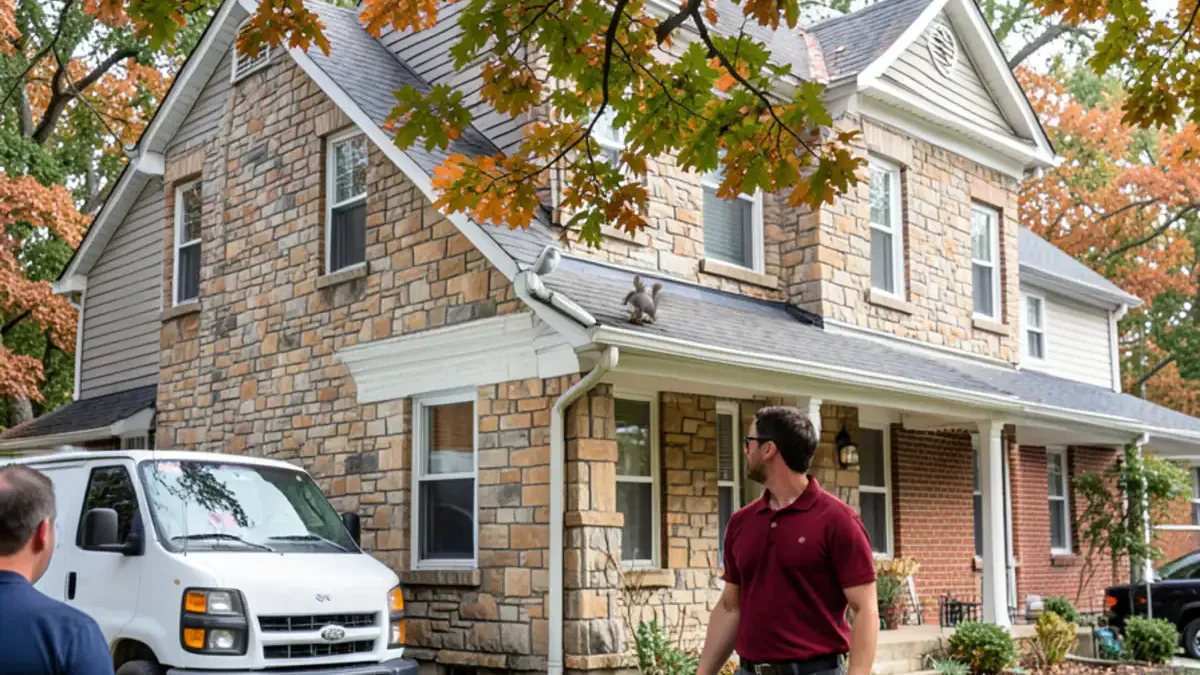
Squirrel and Wildlife Exclusion
Squirrel and Wildlife Exclusion in Media and Delaware County, PA
Learn more →What our rodent control includes
- Free inspection of the exterior, basement, living areas and accessible attic
- Species identification: house mouse, deer mouse or Norway rat
- Written quote listing each entry point and the recommended work
- Snap traps and locked, tamper-resistant bait stations placed by label directions
- Sealing of rodent entry points with metal mesh, hardware cloth, sealant or mortar patching
- Follow-up visits to check devices and remove caught rodents
- Prevention advice for storage, trash and landscaping
Why call No Bugs Exterminator for rodent control
Local and family-run
We are based in Media, so Delaware County stone foundations, twins and rowhomes are the houses we work in every week.
Inspection before any quote
The inspection is free, and you get a written quote before we place a single trap.
Open 7 days
We take calls 8 a.m. to 7 p.m. every day, and same-day visits are often possible when the schedule allows — call early in the day.
Homes and businesses
Thom and his team handle rodents in houses, apartments, shops and restaurants alike.
4.8 stars on Google
That rating comes from 21 Google reviews, and your written quote spells out every trap, station and gap we plan to address.
Where we provide rodent control
Rodent pressure changes from town to town around our Media base. In Upper Darby and Lansdowne, pre-war rowhomes and twins share party walls and old stone basements that let mice travel between houses. Closer to home, Media has apartments above State Street shops, while Nether Providence backs onto Crum Creek and Smedley Park, where field mice and rats live along the wooded banks.
- Upper Darby Township
Census (ACS) estimates put the median home at 1948, and block-long rowhome rows let mice travel from one party wall to the next.
- Lansdowne
A 1943 median build year means aging stone basements, and the Darby Creek frontage gives Norway rats soft banks to burrow into.
- Drexel Hill
Brick twins from the late 1940s share basement walls, and the large Drexelbrook apartment community means rodent work often involves a property manager.
- Yeadon
Twin homes running up to Cobbs Creek along the city line deal with basement mice plus rats that travel the creek banks and back alleys.
- Media
With 58% of homes renter-occupied and walk-up apartments over State Street shops, mice in one unit often trace back to a shared space.
- Swarthmore
Large pre-war homes beside the Crum Woods pair deep stone foundations with wooded edges where field mice spend the summer before moving in.
- Springfield Township (Delaware County)
Post-war Cape Cods sit close to Baltimore Pike retail, where restaurant and grocery dumpsters keep rats fed within reach of backyards.
- Ridley Township
1950s homes in Holmes, Secane and Milmont Park often have block foundations, utility gaps and attached garages where mice settle each fall.
- Chester
A 60% renter share and old riverfront rowhomes make rats in alleys and basements a building-wide problem rather than a single-unit one.
What customers say on Google
4.8 out of 5 from 21 reviews on Google. Quoted as written by customers.
Excellent service, very professional and friendly! Most importantly the results gave me peace of mind! Highly recommended!
Professional service with great results!
Thom is a top-notch pest control specialist! And is one of the most genuine guys in the industry. He came to inspect a situation I had going on at the house, took his time, offered detailed advice, and didn’t take a penny.
Rodent Control: common questions
Why do mice come indoors in Delaware County every fall?
Mice move inside when nights turn cold, usually from October onward, because a heated house offers warmth, food and shelter. Here, they find easy entry through aging mortar in stone foundations, gaps around utility lines and party walls shared by twins and rowhomes. Sealing those gaps in late summer, before the first hard frost, is the simplest way to stay ahead of the fall surge.
How much does rodent control cost?
The cost depends on the species, how widespread the activity is, how many entry points need sealing and how many follow-up visits it takes. A detached house with one gap is a smaller job than a rowhome with a crumbling stone foundation. We don't quote prices by phone; instead we inspect for free and give you a written quote before any work begins.
How do you find where rodents get in?
We look for the physical evidence rodents leave at an opening: dark rub marks, gnawed edges, droppings and disturbed dust or cobwebs. We walk the foundation outside, then trace runways inside from the kitchen and basement back toward the wall. In older Delaware County homes, the sill plate, pipe penetrations and loose mortar joints are the usual culprits.
Do you remove dead rodents?
Yes. Rodents caught in our traps are removed and disposed of at each follow-up visit, so you never have to handle them. One that dies inside a wall or ceiling void is harder to reach; we try to pinpoint it by odor and flies and talk with you before anything is opened. Snap traps indoors help avoid hidden carcasses in the first place.
Are the baits safe around pets?
Bait is placed only in locked, tamper-resistant stations, following the product label, and set where children and pets cannot reach. Inside living spaces we usually rely on snap traps instead, set in enclosed boxes or behind appliances. Tell us about dogs, cats or other pets during the inspection, and if you think a pet has eaten bait, call your veterinarian right away.
Related services
Helpful guides from our blog
Ready to get rid of the problem?
Thom and his team serve Media, Delaware County and southeastern Pennsylvania, open 7 days, 8 a.m. to 7 p.m..
- ★ 4.8 from 21 Google reviews
- Open 7 days, 8 a.m. to 7 p.m.
- Free inspection before treatment
- Family-run, based in Media, PA
Open 7 days, 8 a.m. to 7 p.m.