
Mosquito Control in Media, PA: Mosquitoes, Ticks and Lanternflies
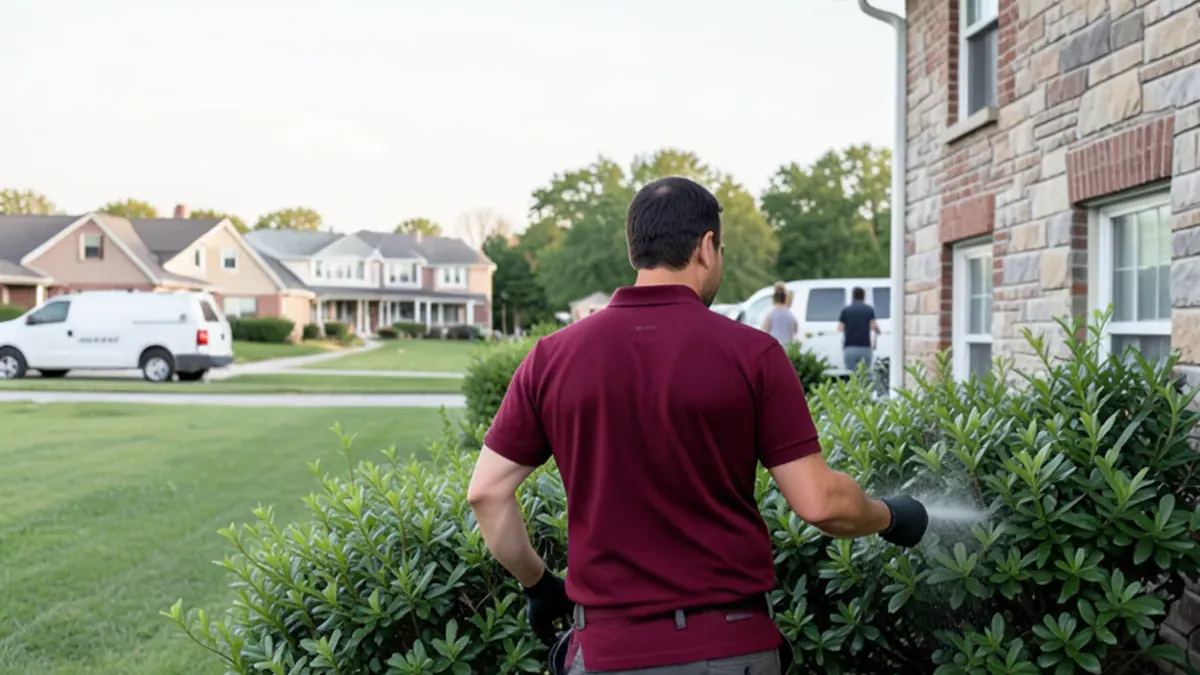
Mosquitoes rarely show up alone. The shady shrub beds where they rest are often the same leaf-littered edges where ticks wait, and fence-line maples can host spotted lanternflies by midsummer, so we plan outdoor work around the whole yard.
Each service has its own page:
- Mosquito yard treatment: a seasonal barrier program on a set schedule from late spring into early fall.
- Tick control: treatment of wooded edges, stone walls and leaf litter where blacklegged ticks live.
- Special event mosquito spray: one application timed ahead of a wedding, graduation or cookout.
- Natural mosquito control: source reduction, bacterial larvicides and plant-oil sprays for lower-impact yards.
- Spotted lanternfly control: egg mass removal, trapping and targeted tree treatment inside Pennsylvania's quarantine zone.
- Wasps, hornets and yellow jackets nesting in the same yard fall under stinging insect control, and pests inside the house are covered by our general pest control service.
Where Do Delaware County Mosquitoes Breed?
Water drives everything. Crum, Ridley, Chester, Darby and Cobbs creeks wind through the county, and the tidal marsh at the John Heinz National Wildlife Refuge at Tinicum holds water all summer. Backwaters and storm drains along those corridors breed mosquitoes from spring to frost.
Most of the biting in a typical backyard comes from much closer to home. The Asian tiger mosquito, the striped daytime biter common in southeastern Pennsylvania, lays eggs in containers as small as a bottle cap and usually stays within a few hundred feet of where it hatched. A clogged gutter, a tarp over the grill or a forgotten flowerpot saucer can supply a whole block.
Evening biters are usually Culex mosquitoes, the main carriers of West Nile virus in the Northeast. They favor catch basins and stagnant drains, so rowhome alleys in Upper Darby and Chester can be as buggy at dusk as wooded lots near Swarthmore.
How We Inspect a Yard Before Treating
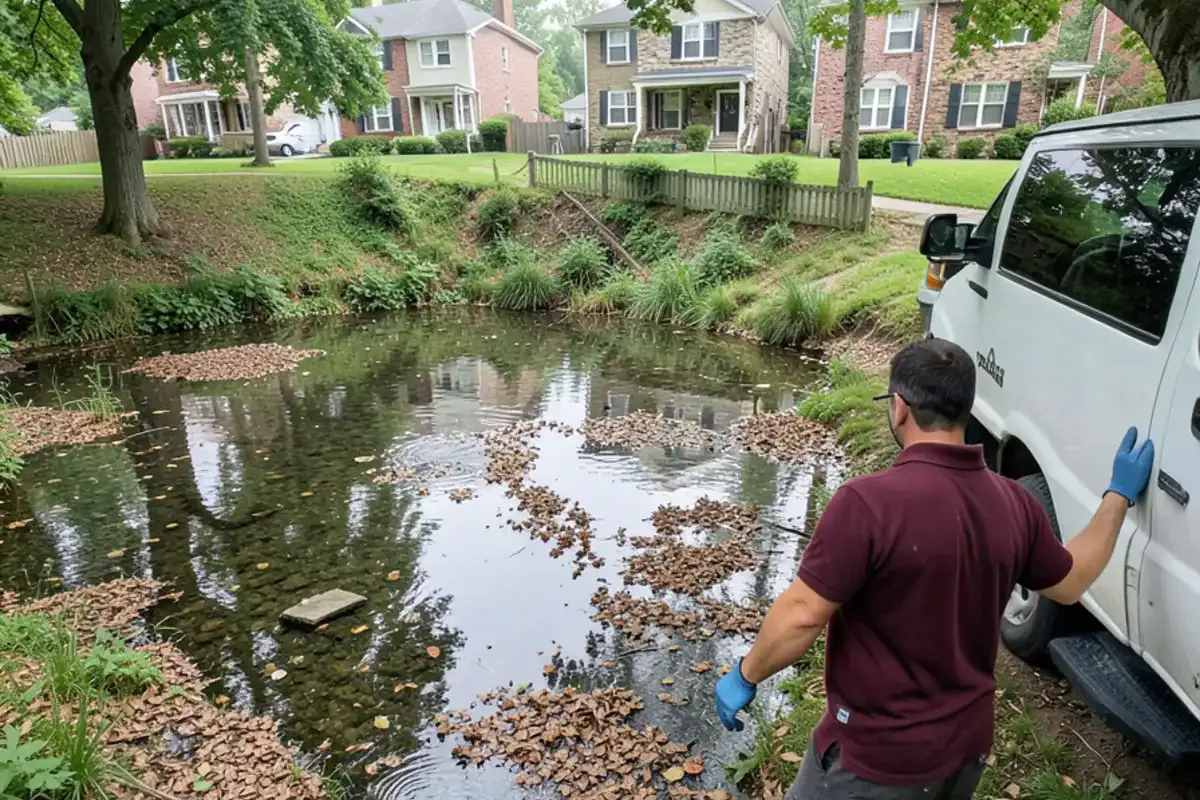
Every job starts with a free inspection. We look for standing water and adult resting sites under decks, behind sheds, inside dense shrubs, along fence lines and around downspouts and air-conditioner drain lines.
We also mark what stays untreated: vegetable beds, flowering plants that bees are working, fish ponds and play areas. Your written quote lists what we would treat and what you can fix yourself.
Mosquito Barrier Treatment and Other Options
These approaches can be used alone or combined, and each has a trade-off.
- Barrier treatment: a residual insecticide applied to the shaded undersides of leaves and other resting sites. It knocks down adults for roughly three weeks, and it has to be kept off open blooms to protect pollinators.
- Larvicide: a bacterial or growth-regulator product placed in water that cannot be dumped, such as a catch basin or pond margin. It stops the next generation but does nothing about adults already biting.
- Source reduction: emptying, draining or covering anything that holds water. It costs nothing and lasts, but only if it is repeated weekly.
- Botanical products: plant-oil sprays with a shorter residual. They suit owners who want fewer synthetic products, at the cost of more frequent visits.
- One-time spray: a single application before a gathering. It buys a quieter stretch, not a quiet season.
Your Mosquito Treatment Visit, Step by Step
Call and schedule
Tell us roughly how big the yard is and when the biting is worst. Same-day visits are often possible when the schedule allows — call early in the day.
Free inspection
We walk the yard, flag breeding sites and resting areas, and mark plants and features that stay untreated.
Written quote
You receive a written quote for a one-time, event or seasonal plan before any work starts.
Water first
We tip, drain or treat the standing water we find and point out the spots you will need to watch.
Targeted application
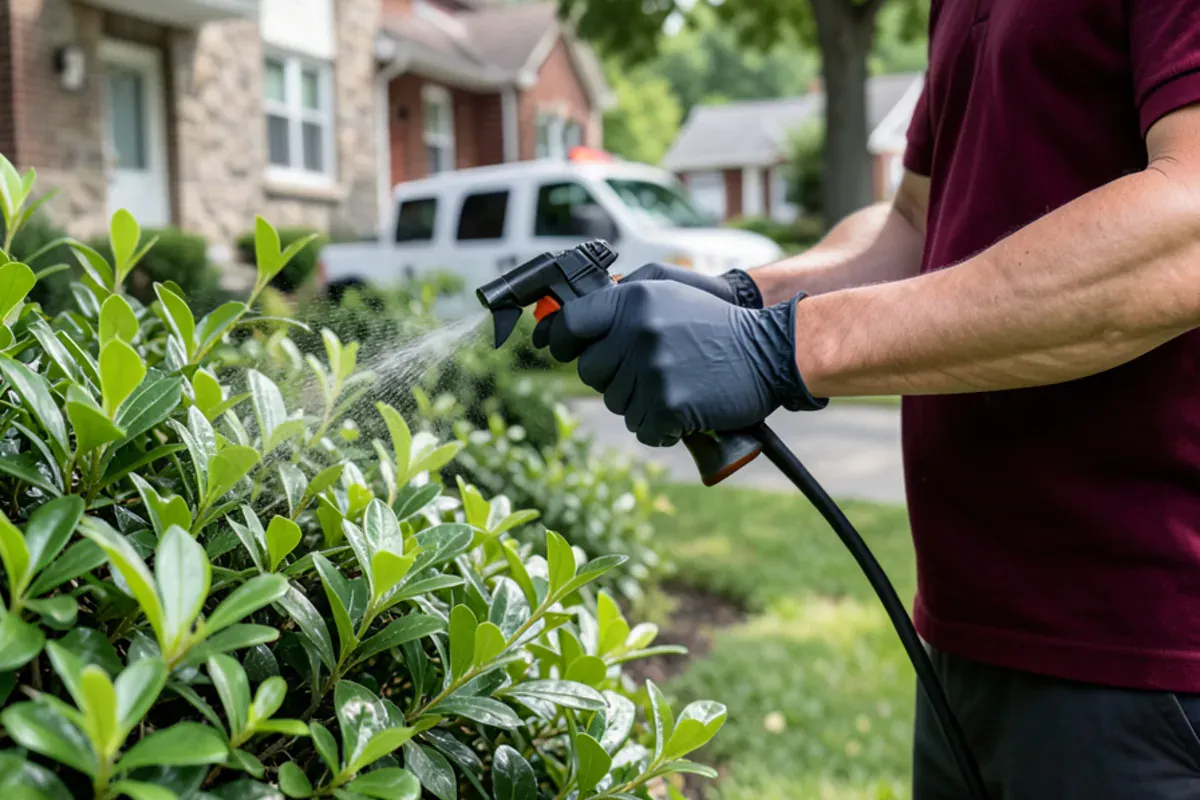
Shrubs, ground cover, the space under the deck and other shady resting areas are treated, with blooms, food gardens and water features skipped.
Before we leave
We explain how long to keep children and pets off treated areas, generally until the spray has dried, and when the next visit falls if you are on a program.
Talk to us about mosquito control
Call and speak with Thom or his team. The inspection is free, and you get a written quote before any treatment.
- ★ 4.8 from 21 Google reviews
- Open 7 days, 8 a.m. to 7 p.m.
- Free inspection before treatment
- Family-run, based in Media, PA
Open 7 days, 8 a.m. to 7 p.m.
How Long Does a Season of Backyard Mosquito Control Run?
In Delaware County, mosquitoes usually become a real nuisance in May, once nights stay warm, and keep biting until the first hard frost, often in October. In a hot July, a mosquito can go from egg to biting adult in about a week.
A single barrier treatment typically holds for about three weeks before adults drifting in from outside the yard rebuild the population. Heavy storms, fresh growth on treated shrubs and new standing water all shorten that window, which is why seasonal programs repeat on a calendar instead of waiting for complaints.
What Affects Mosquito Control Cost?
We do not publish set prices, because two yards on the same street can need very different work. Your written quote reflects:
Where the yard sits in the county shifts the scope as much as its size. A Tinicum or Folcroft lot near the Heinz refuge marsh faces mosquitoes drifting in from tidal wetlands and may call for closer visit intervals, while a Springfield Cape Cod on a small, open lot may need only its shrub beds and a few containers handled.
- The treatable area: shrub beds, wood lines and ground cover rather than total lot size
- How close the property sits to a creek, marsh or wooded ravine
- The number of visits: one-time, event-only or a full-season program
- Whether larvicide is needed for ponds, catch basins or drains
- Your choice of conventional or botanical products
- Add-ons such as tick treatment of wooded edges or lanternfly work on trees
- Access issues such as steep banks, locked gates or dense ivy
Pennsylvania Pesticide Rules That Apply to Yard Spraying
Mosquito sprays are pesticides, so yard treatment here falls under Pennsylvania's Pesticide Control Act of 1973. The Pennsylvania Department of Agriculture (PDA) licenses pest control businesses and certifies the applicators who spray, 7 Pa. Code § 128.31 puts the business license number on service vehicles, and PDA keeps a Pesticide Hypersensitivity Registry so registered people near an application site can be told about it ahead of time.
Public mosquito work is a separate track. Pennsylvania's West Nile Virus Control Program, run by the Department of Environmental Protection with county partners, monitors mosquito activity and handles any area-wide spraying. Schools follow Act 35 of 2002, which requires integrated pest management plans and notice to parents and staff before applications.
Keeping Your Yard Drier Between Visits
Treatment works far better when there is less water to breed in. Tiger mosquitoes ignore property lines, so a block that empties its containers together sees the biggest drop.
Once a week from spring into fall, walk the yard and:
- Tip out buckets, toys, wheelbarrows, flowerpot saucers and tarps
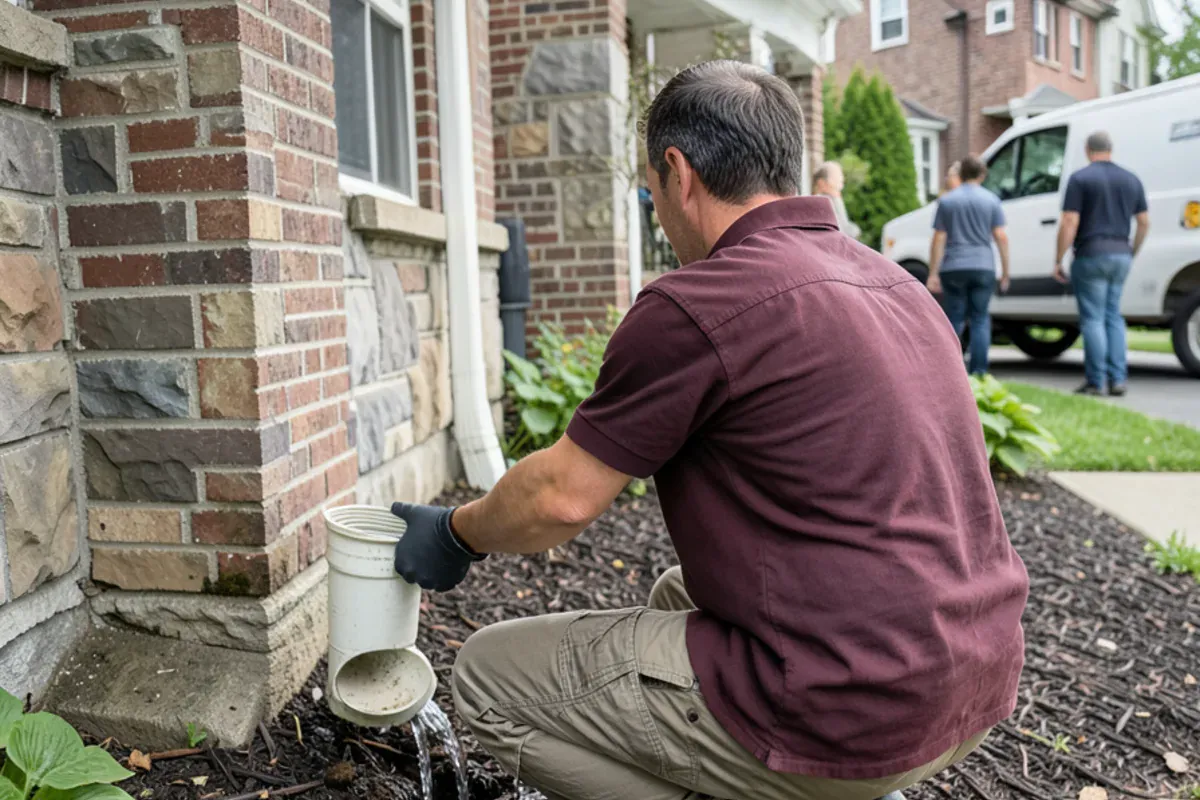
- Clean gutters and make sure downspout extensions drain instead of holding water
- Refresh birdbath water at least weekly
- Keep pool and hot tub covers taut or pumped dry
- Fill tire ruts and low spots that stay wet after rain
- Thin dense shrubs so air moves through them
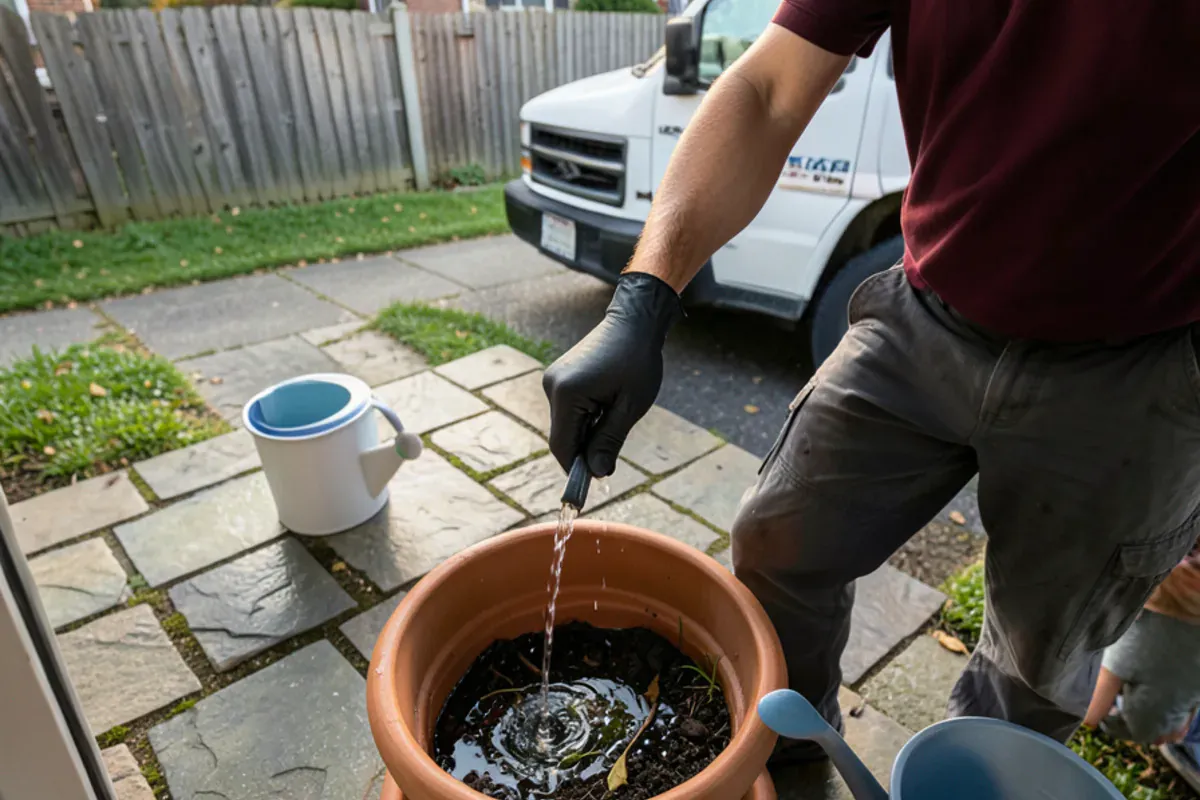
Mosquito Control: every service in this group
Mosquito Yard Treatment
Mosquito Yard Treatment in Media and Delaware County, PA
Learn more →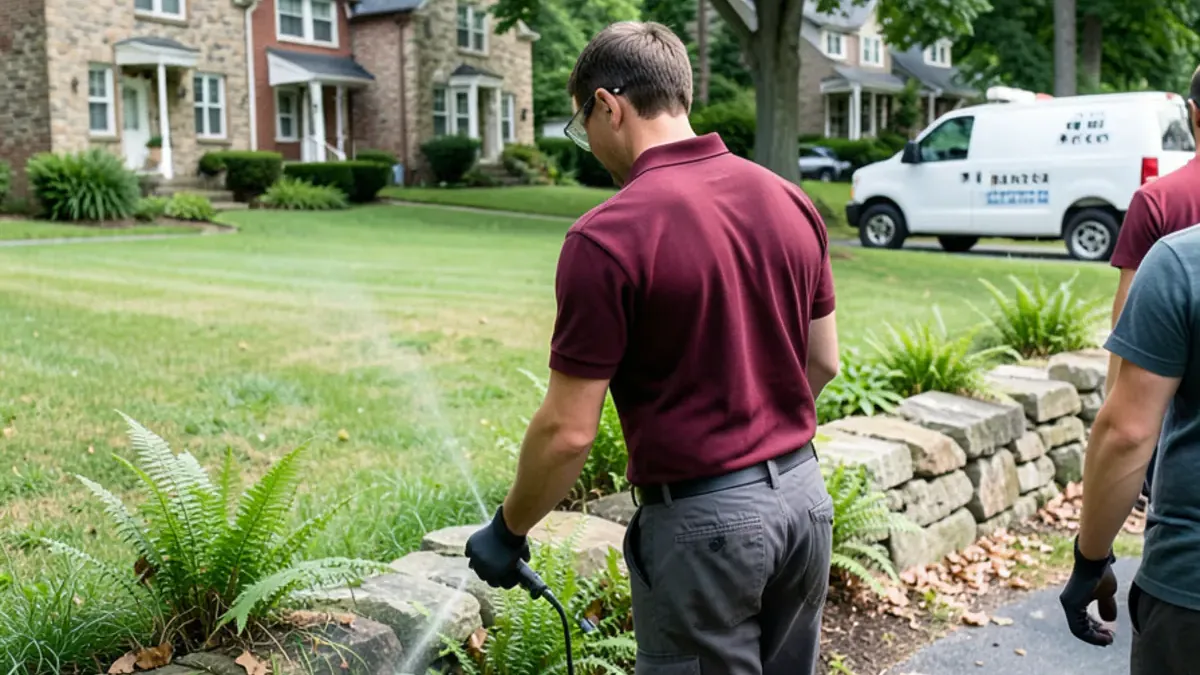
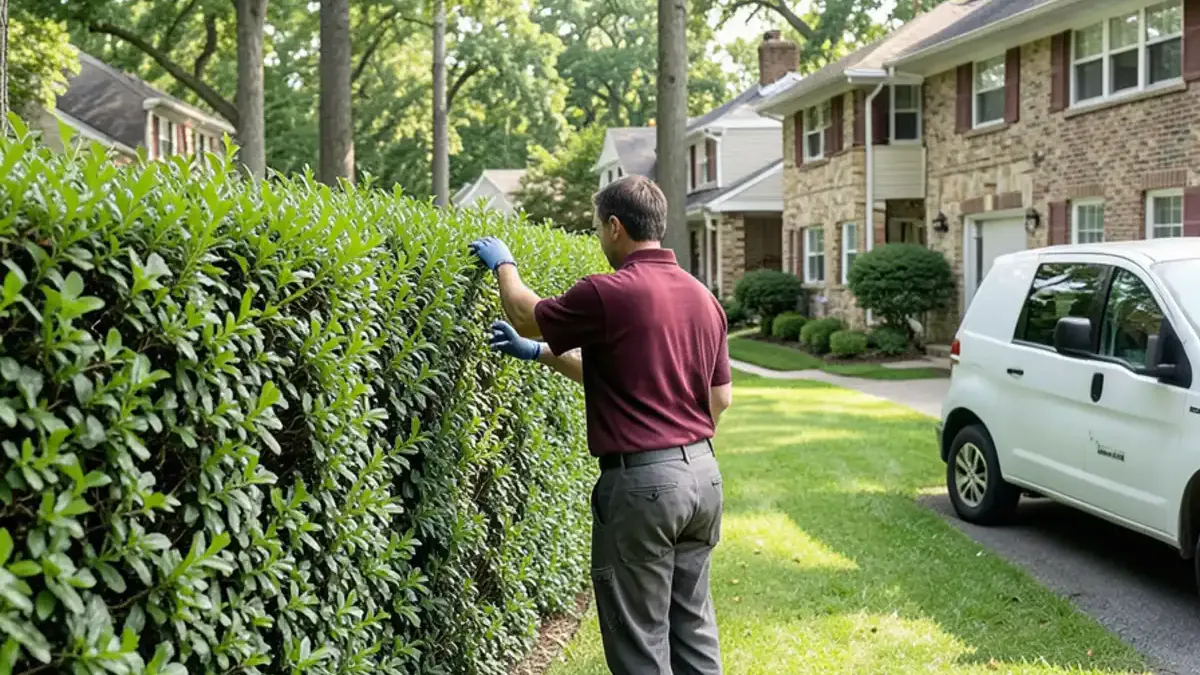
Tick Control
Tick Control in Media and Delaware County, PA
Learn more →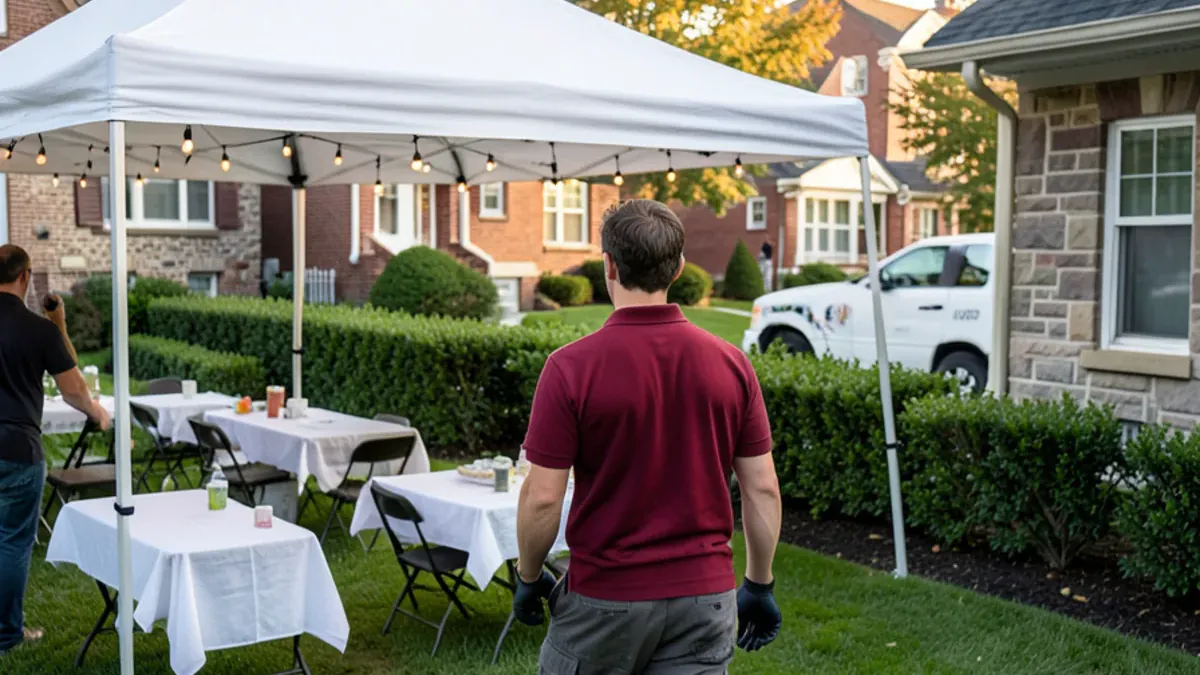
Special Event Mosquito Spray
Special Event Mosquito Spray in Media and Delaware County, PA
Learn more →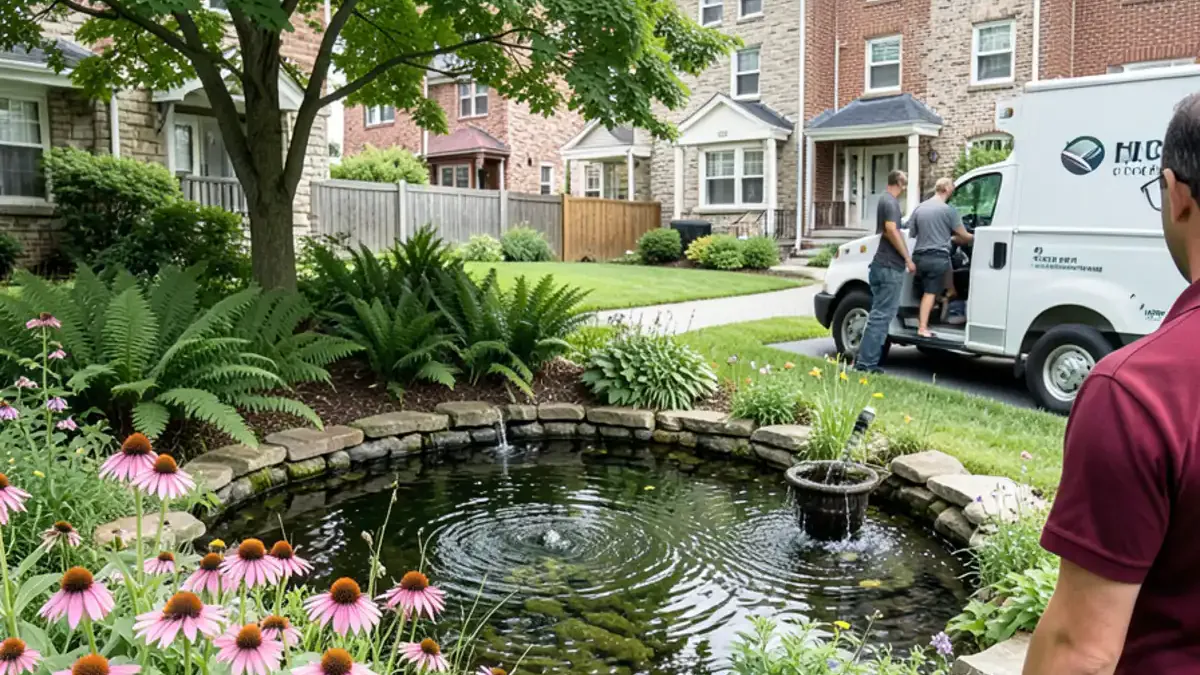
Natural Mosquito Control
Natural Mosquito Control in Media and Delaware County, PA
Learn more →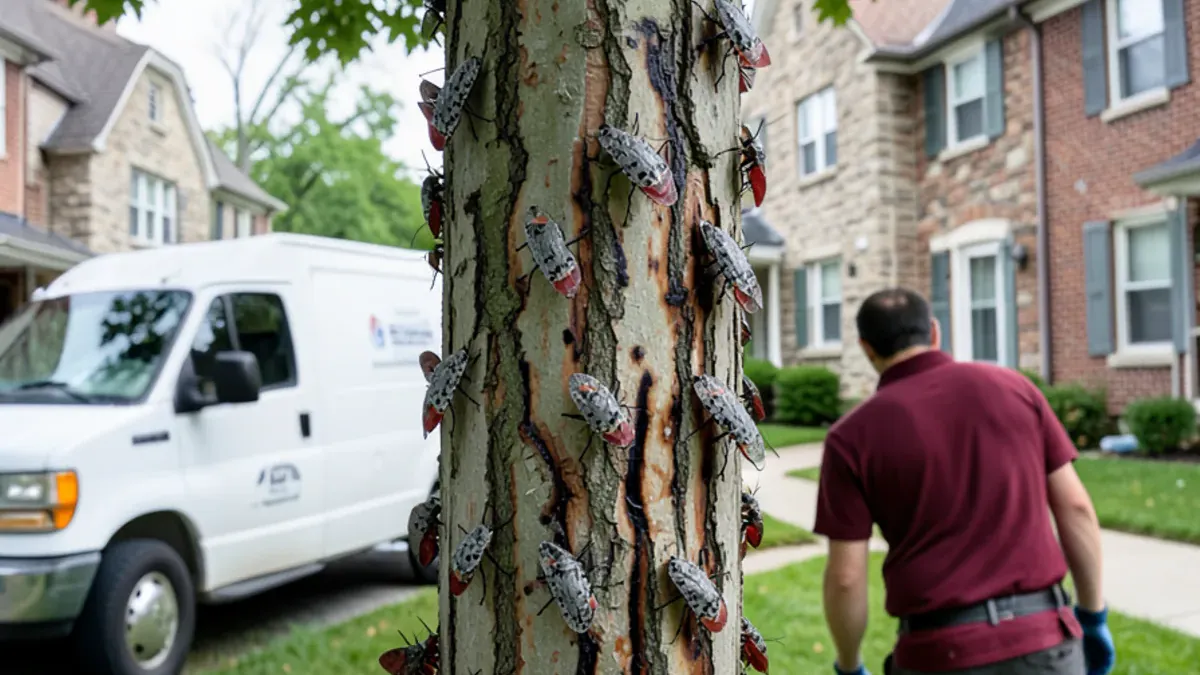
Spotted Lanternfly Control
Spotted Lanternfly Control in Media and Delaware County, PA
Learn more →What our mosquito control includes
- Free inspection of breeding sites and adult resting areas
- Written quote before any work starts
- Treatment of shrubs, ground cover and other shaded resting spots
- Larvicide for standing water that cannot be emptied
- Pollinator-aware spraying that skips blooms, food gardens and ponds
- A list of containers and drainage fixes to handle between visits
- Optional tick and spotted lanternfly add-ons on the same property
Why call No Bugs Exterminator for mosquito control
Based in Media
We are a small, family-run business on Heather Knoll Lane in Media, so creek-side yards across Delaware County are close to home.
Open 7 days
We are open 7 days, 8 a.m. to 7 p.m., so a mosquito visit can fit around a summer weekend.
Inspection before spraying
Thom and his team inspect for free and put the quote in writing before anything is applied.
Every visit spelled out
The written quote lists the visits in a one-time, event or seasonal plan, so you know when we will be back in the yard.
Rated 4.8 on Google
That rating comes from 21 Google reviews by local homeowners and businesses.
Where we provide mosquito control
Creek corridors set the mosquito pressure here. Homes along Crum Creek in Nether Providence Township, the Ridley Creek State Park edge in Upper Providence Township, the wooded Darby Creek banks in Haverford Township and the marsh-side streets of Tinicum Township all see heavier summer biting than drier hilltop lots, and we reach each of them from our base in Media.
- Folcroft
Streets bordering the John Heinz refuge sit beside tidal wetlands that hold water all summer and send evening Culex biters into backyards.
- Darby Township
Briarcliffe and the township's other section lie near the Darby Creek tidal marsh, where standing water keeps mosquito pressure high from May to frost.
- Eddystone
At the Crum Creek mouth on the Delaware River, low riverfront ground and storm drains hold water long after summer storms pass.
- Ridley Park
Shaded yards around Ridley Park Lake, at the center of this Victorian railroad suburb, give adult mosquitoes cool places to rest by day.
- Swarthmore
Large pre-war lots wrapped by the Crum Woods have deep shade and leaf litter where Asian tiger mosquitoes rest between daytime bites.
- Aston Township
Split-level yards along the Chester Creek valley combine creek-side dampness with gutters and patios that breed mosquitoes after every rain.
- Lansdowne
Victorian streets with Darby Creek frontage and older gutters see both creek-bred Culex and container-bred tiger mosquitoes.
- Media
Small borough yards and courtyards behind State Street apartments breed tiger mosquitoes in containers, where one neglected bucket can supply a block.
- Yeadon
Twin homes running up to Cobbs Creek along the city line get mosquitoes from the creek corridor plus catch basins in shared alleys.
What customers say on Google
4.8 out of 5 from 21 reviews on Google. Quoted as written by customers.
Very professional and knowledgable service providers. They mainly solved our problems in one visit!
Thom is a top-notch pest control specialist! And is one of the most genuine guys in the industry. He came to inspect a situation I had going on at the house, took his time, offered detailed advice, and didn’t take a penny.
Thom + his team were amazing. Very professional + provided me with a quote that made the most sense for my situation. Clearly I was not being gouged. Thom put the client first.
Mosquito Control: common questions
When does mosquito season start in Delaware County?
Mosquitoes usually start biting in earnest in May, once overnight temperatures stay mild, and they keep going until the first hard frost, often in October. Yards beside Crum, Ridley or Darby creeks can see activity a couple of weeks sooner. We suggest booking the first seasonal visit in early May so the barrier is in place before Memorial Day cookouts.
How long does a yard treatment last?
A barrier treatment generally keeps adult mosquitoes down for about three weeks. Storms that strip leaves, fast spring growth and new standing water nearby can shorten that. For this reason seasonal programs return on a regular interval from late spring into early fall, and each visit includes a fresh check for breeding spots rather than a simple respray.
How much does mosquito control cost?
It depends on the yard, so we quote after a free inspection instead of posting a price. The main drivers are how much shrub and wood-line area needs treatment, how many visits you want, whether larvicide is needed and how close you are to a creek or marsh. The written quote itemizes each part before work begins.
Is mosquito spray safe for pets and pollinators?
Applied according to the label, a barrier spray goes on foliage rather than open lawn, and people and pets can return once it has dried. To protect bees and butterflies, we skip flowering plants, vegetable gardens and water features and aim at the shaded leaf undersides where mosquitoes rest. If a pet has a health condition, check with your veterinarian first.
Can ticks and lanternflies be handled on the same visit?
Often, yes. Tick work targets wooded edges and leaf litter, while lanternfly work focuses on host trees and egg masses, so each needs its own attention, but visits can be combined when the timing lines up. Tick nymphs and newly hatched lanternfly nymphs both appear in May and June, which makes late spring a practical time to pair them.
Related services
Helpful guides from our blog
Ready to get rid of the problem?
Thom and his team serve Media, Delaware County and southeastern Pennsylvania, open 7 days, 8 a.m. to 7 p.m..
- ★ 4.8 from 21 Google reviews
- Open 7 days, 8 a.m. to 7 p.m.
- Free inspection before treatment
- Family-run, based in Media, PA
Open 7 days, 8 a.m. to 7 p.m.