

What happens at each quarterly visit?
Every visit follows the same routine, adjusted for the time of year and for anything you have noticed since the last one.
Quick check-in
We ask what you have seen since the last service: droppings, trails, webs, a wasp nest by the deck.
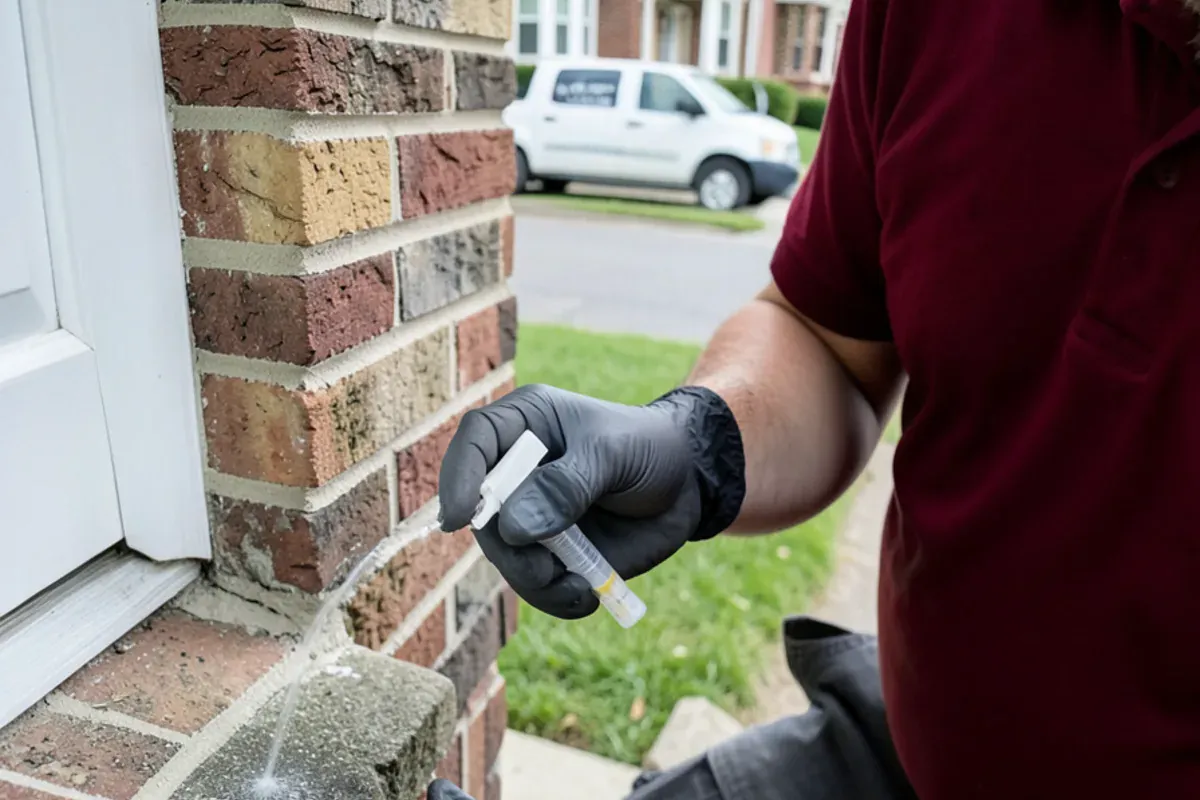
Exterior perimeter
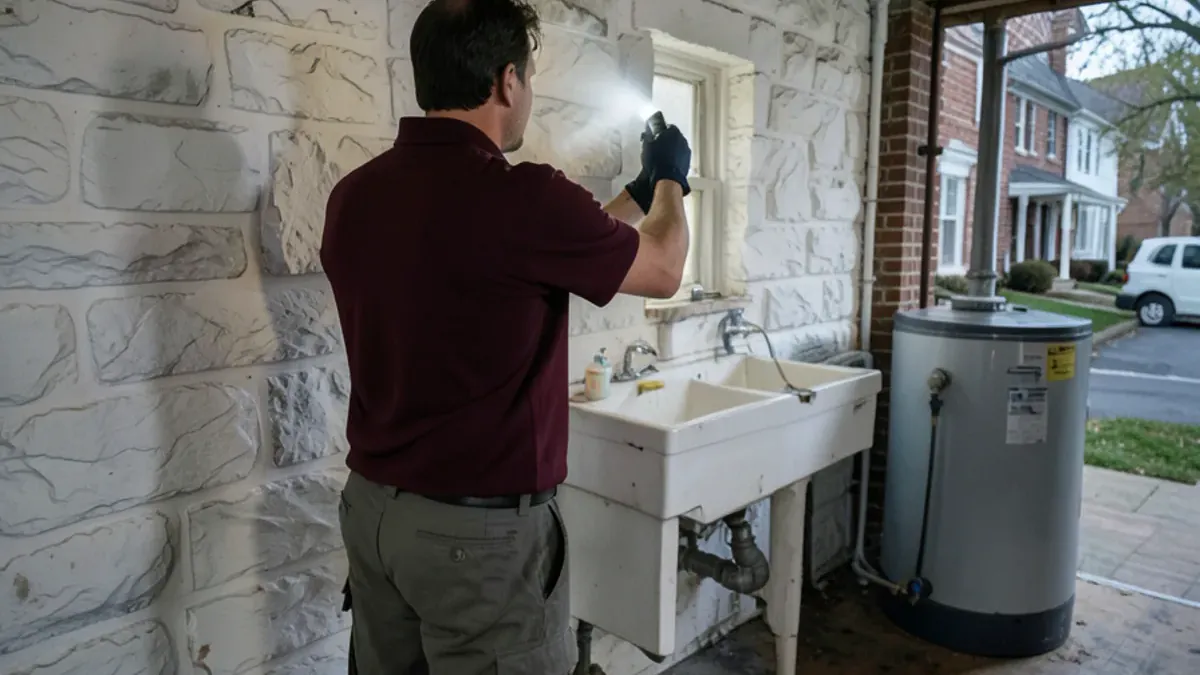
We treat the foundation line, door thresholds, window frames and utility entries where crawling pests get in.
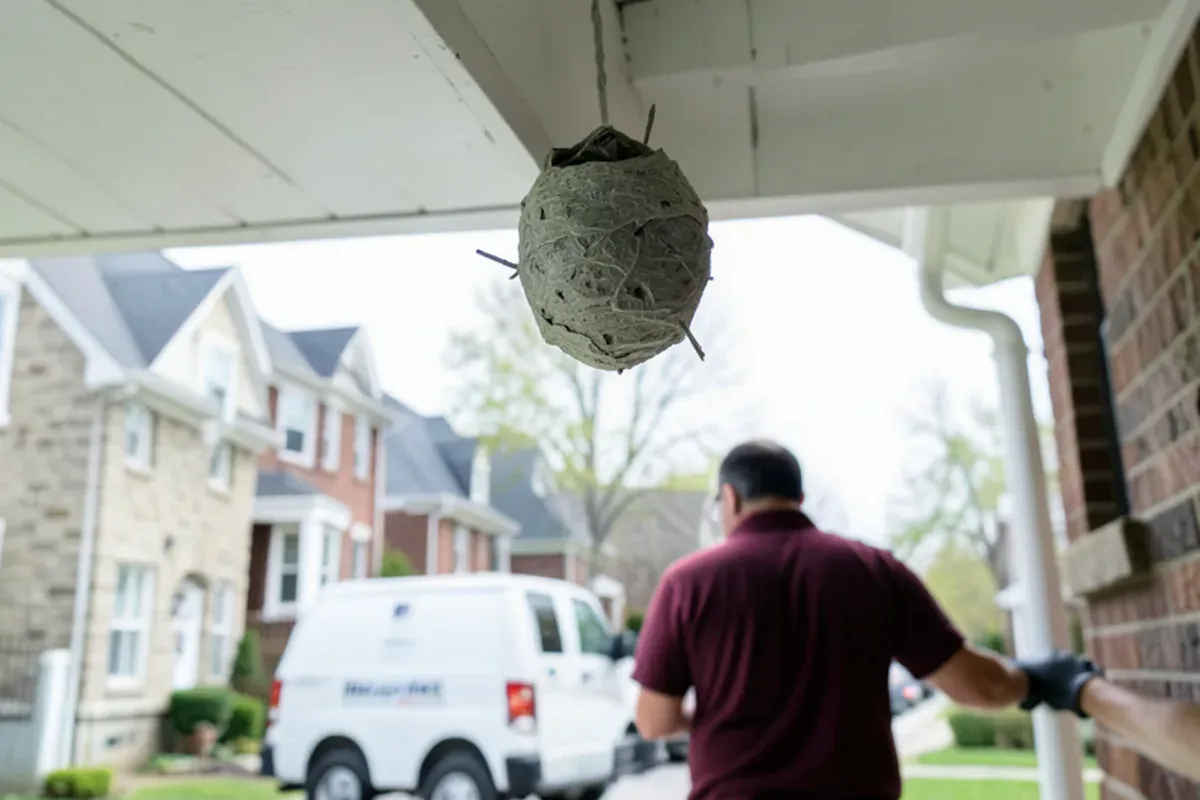
Web and nest sweep
Eaves, porch ceilings and soffits are cleared of webs and early wasp nests.
Interior as needed
Kitchens, baths and basements get targeted gel, bait or dust placements only where activity or risk shows up.
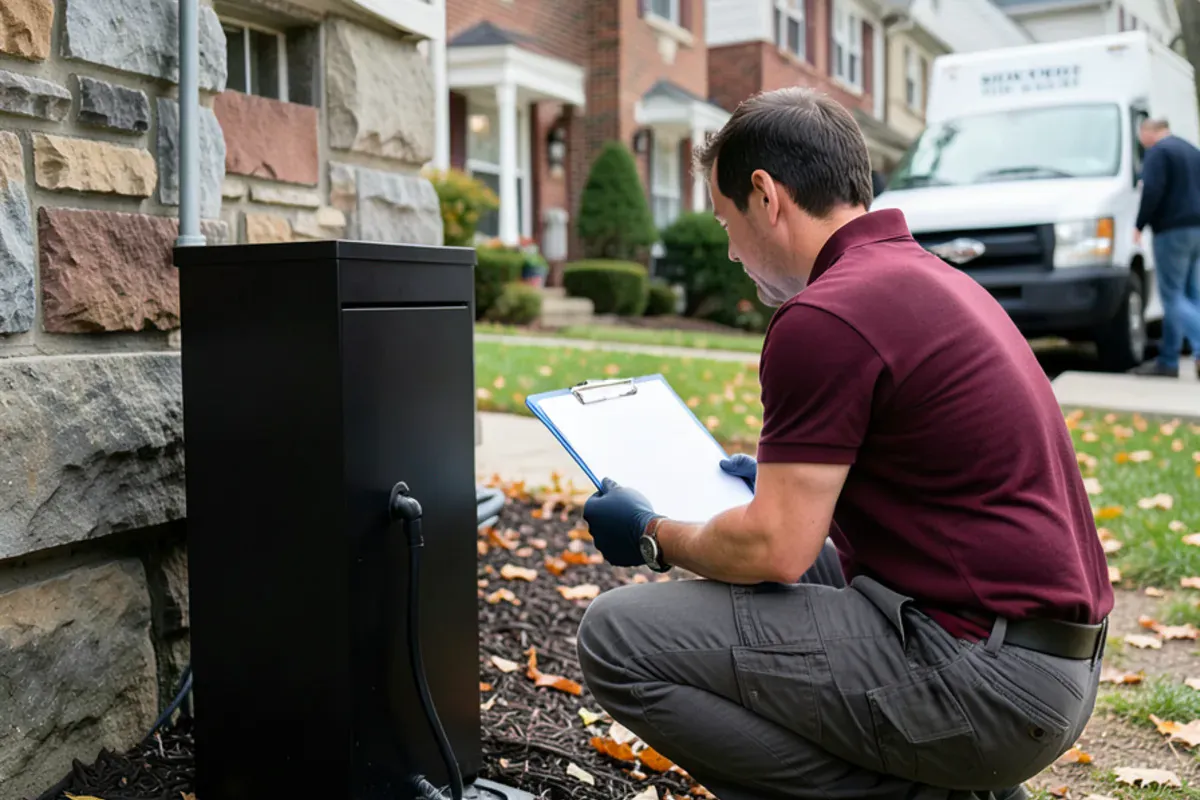
Monitors and stations
Glue monitors and rodent stations are checked, logged and refreshed so trends show from one quarter to the next.
Service notes
You get notes on what was found, what was applied and anything you can fix, such as a leaking hose bib.
Pest control plans compared: quarterly, one visit, or a step up
A plan is not the right answer for every home. This comparison shows where each approach fits; the written quote after your inspection spells out the details for your house.
| Option | Visits | Good fit when | Keep in mind |
|---|---|---|---|
| One-time treatment | One, plus a follow-up if the pest needs it | A single pest problem with a clear cause | Nothing scheduled afterward; seasonal pests can return |
| Quarterly plan | Four a year, one per season | Older homes, wooded or creek-side lots, repeat fall invaders | Termites and bed bugs still need their own service |
| Monthly service (ask about) | Twelve a year | Steady pressure, such as multi-unit buildings or food handling | More visits than most single-family homes need |
What each season's visit focuses on
- Spring: ant colonies waking up, termite swarm checks on warm days after rain, early wasp queens building nests
- Summer: yellow jackets and paper wasps, mosquito breeding spots near downspouts and creeks, ticks along wooded lot lines
- Fall: sealing gaps before mice move in, stink bug and boxelder bug entry points, spiders following them indoors
- Winter: interior and basement checks for mice, cockroaches and silverfish while the outside is quiet
Why quarterly pest control pays off in Delaware County homes
Most Delaware County houses are old enough to have settling gaps. Census (ACS) estimates put the county's median home at 1957, and many boroughs run older than that. A gap sealed in October and checked again in January keeps mice out far more reliably than a trap set after you hear scratching.
Regular visits also catch problems early. A small ant trail in April is easier to stop than a nest that has been feeding all summer, and a fist-sized wasp nest in May is far simpler to remove than a full colony in August.
Year-round pest control also builds a written log. After a year, you and we can see which side of the house draws ants, where mice try to enter and whether the problem is shrinking.
A few signs tell you a house is ready for a schedule: the same ant trail on the same windowsill every April, mouse droppings behind the stove each November, or a new wasp nest under the deck every summer. When a pest keeps a calendar, the treatment should too.
Talk to us about quarterly pest control plans
Call and speak with Thom or his team. The inspection is free, and you get a written quote before any treatment.
- ★ 4.8 from 21 Google reviews
- Open 7 days, 8 a.m. to 7 p.m.
- Free inspection before treatment
- Family-run, based in Media, PA
Open 7 days, 8 a.m. to 7 p.m.
Pennsylvania rules behind a recurring pest plan
Each recurring visit is a pesticide application, and in Pennsylvania that work is regulated by the Department of Agriculture (PDA) under the Pesticide Control Act of 1973. PDA licenses the business, certifies the applicators who carry out the treatments, and under 7 Pa. Code § 128.31 expects the business license number to be displayed on service vehicles.
For a plan that runs all year, keep the service notes from each visit; they show what was applied and where. PDA also maintains a Pesticide Hypersensitivity Registry for people whose doctors confirm a sensitivity, so if you or a neighbor is on it, ask any provider how it handles notice before outdoor treatments.
What a quarterly plan does not cover
General plans target common crawling and nesting pests. A few problems need their own inspection, method and quote, and it is better to know that before you sign.
- Subterranean termites, which call for a separate termite inspection and treatment
- Bed bugs, which need a dedicated multi-visit protocol
- Wildlife such as squirrels, raccoons or birds in the attic
- Yard-wide mosquito or tick programs, which run on their own schedule
- Damage repair, such as replacing rotted wood or chewed insulation
Is a pest control contract the right call for your home?
A plan makes sense if pests return every year, if your lot backs onto woods or a creek, or if you would rather not think about it between visits. If you have one clear problem, such as a single wasp nest, a one-time pest treatment usually does the job.
Before signing any pest control contract, ask how calls between scheduled visits are handled, how the plan renews and how you can stop it. Get those answers in writing. Not sure yet? Start with a free pest inspection and decide once you see what the house needs.
What affects the price of a quarterly plan?
Plans are quoted per house after the inspection, not from a flat menu.
These factors stack. A compact twin with a short foundation line and a clean basement needs less time per visit than a large colonial on a wooded lot with a long run of mulch beds and a woodpile against the garage.
The first visit often costs more than later ones, because it carries the heavier start-up work: clearing an established ant colony, setting rodent stations or sealing gaps found at the inspection. After that, the quarterly visits are maintenance, and your written quote shows both figures separately so you can compare plans fairly.
- Home size, number of levels and length of the foundation line
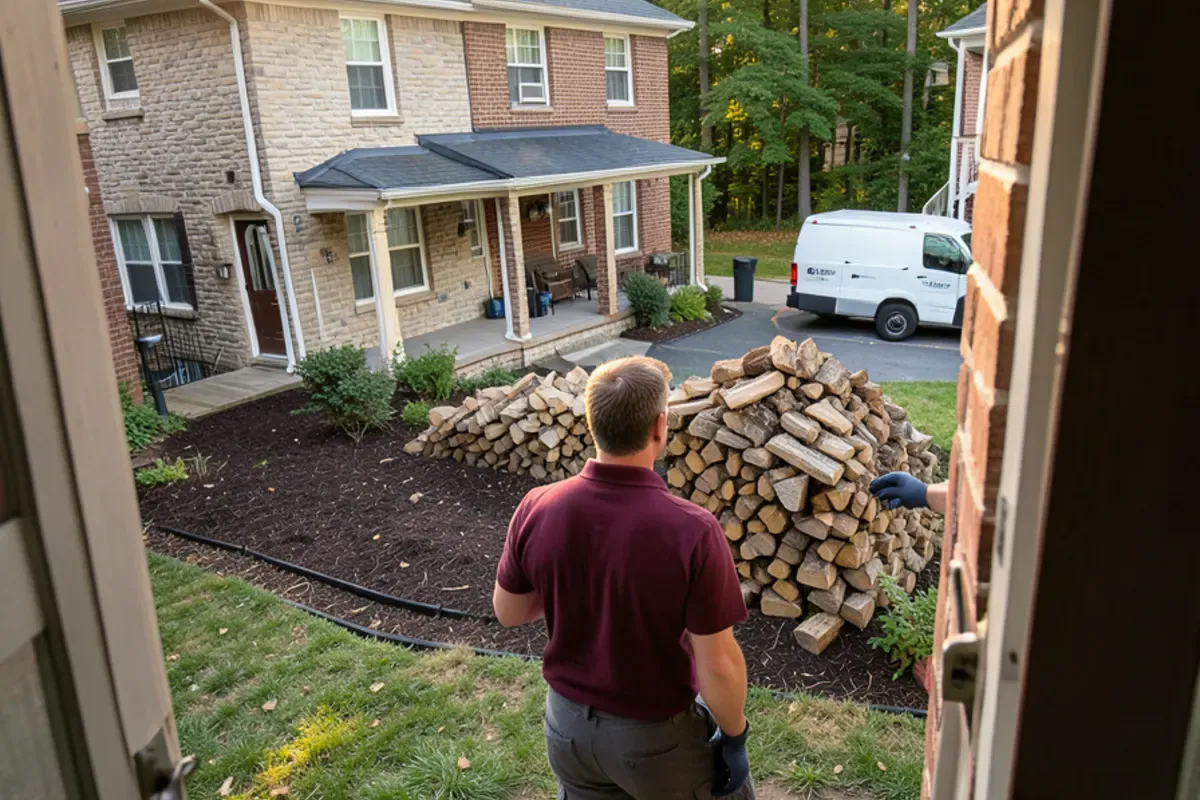
- Lot conditions: woods, creek frontage, heavy mulch beds or stacked firewood
- The pests found at the first inspection and how active they are
- Whether the first visit needs a heavier start-up treatment
- Number of rodent stations or monitors to service
- Any add-ons you choose, such as mosquito or tick visits in summer
What our quarterly pest control plans includes
- Four scheduled visits a year, one per season
- Exterior foundation and entry-point treatment each visit
- Web and early-nest removal from eaves and porches
- Targeted interior treatment where activity shows up
- Rodent station and monitor checks with a running log
- Written service notes after every visit
Why call No Bugs Exterminator for quarterly pest control plans
The same small team each time
Thom and his team are a family-run business in Media, so your house is serviced by people who have seen it before.
Plan quoted after a free look
Your plan comes from a free inspection and a written quote, not a one-size package.
Visits seven days a week
Quarterly visits can land on a weekday or weekend between 8 a.m. and 7 p.m.
Help between seasons
If something turns up between visits, call us. Same-day visits are often possible when the schedule allows — call early in the day.
Bed bugs, insects and rodents
Bed bugs are our specialty, and the insects and rodents a plan covers are the work we do every week.
Where we provide quarterly pest control plans
Quarterly service suits houses where pests return on a schedule. Along Ridley Creek in Edgmont Township, deer trails and woods bring ticks and carpenter ants close to newer subdivisions. In Nether Providence, Crum Creek moisture feeds spring ant activity, and in Ridley Township and Drexel Hill, post-war and brick twin basements see mice every fall.
- Upper Providence Township (Delaware County)
Rose Tree Park and the edge of Ridley Creek State Park put wooded lots behind most houses, so ticks, ants and spiders come back every season.
- Middletown Township (Delaware County)
Homes around Lima, Elwyn and Glen Riddle, with a median build year of 1977, still draw spring ants and fall stink bugs year after year.
- Springfield Township (Delaware County)
Post-war Cape Cods off Baltimore Pike, with a median build year of 1955, need fall gap sealing and winter basement mouse checks.
- Broomall
Houses built around 1958 near the West Chester Pike and Sproul Road crossing run through a steady yearly cycle of ants, wasps and fall mice.
- Village Green-Green Ridge
Ranch and split-level streets off Pennell Road have slab-edge and lower-level entry points worth checking each quarter for crickets and mice.
- Newtown Township (Delaware County)
Large lots near the Ellis Preserve and Routes 3 and 252 mix open fields and woods, which feeds ticks, wasps and field mice.
- Thornbury Township (Delaware County)
Large-lot homes from the late 1990s around Glen Mills and Cheyney border open fields where mice and stink bugs gather before winter.
- Chadds Ford Township
Homes along the Route 1 corridor near the Brandywine sit among woods and meadows, so seasonal visits keep ticks, wasps and ants in check.
- Concord Township
Subdivisions behind Concordville, with a median build year of 1997, back onto fields that send stink bugs and mice toward the siding each fall.
- Media
Walk-up apartments above State Street shops and older borough houses share walls, so a quarterly schedule catches roaches and mice before they spread.
What customers say on Google
4.8 out of 5 from 21 reviews on Google. Quoted as written by customers.
Thom + his team were amazing. Very professional + provided me with a quote that made the most sense for my situation. Clearly I was not being gouged. Thom put the client first.
Excellent Exterminator! Very courteous and professional! always arrives on time and will take care of any bugs!
Professional, thorough, great communication, timely, respectful of people and property…
Quarterly Pest Control Plans: common questions
What is covered in a quarterly pest plan?
Common crawling and nesting pests: ants, cockroaches, spiders, mice, stink bugs, centipedes, silverfish and early wasp nests. Each visit treats the outside foundation, clears eaves and checks inside where needed. Termites, bed bugs and wildlife are quoted separately because they need their own methods. Your written quote lists exactly what your plan includes for your house.
Is a quarterly plan worth it for a Delaware County home?
It usually is if pests come back every year. Older Delaware County homes have settling gaps that let mice and fall invaders back in each season, and creek-side or wooded lots add ants, ticks and wasps. If you have one isolated problem, a single treatment is often enough. The free inspection helps you decide which fits.
What happens if pests come back between visits?
Call us and describe what you are seeing. Ask before you sign any plan how calls between scheduled visits are handled, and get that answer in writing; it is a fair question to put to any provider. Activity between visits often points to a new entry gap or moisture issue, which we look for first.
Can I cancel a pest plan?
Settle that before your first visit. Plan terms, including how renewal works and how to stop service, should be written down with your quote, and you should read them the same way you would any service contract. We are happy to walk you through the terms on the phone before you agree to anything.
Would monthly pest control be better than quarterly for a house?
For most single-family homes in Delaware County, no. Four well-timed visits handle the seasonal swings. Monthly service fits places with constant pressure, such as restaurants, multi-unit buildings or homes in the middle of a heavy cockroach problem. Once that pressure drops, a house can usually move to quarterly visits.
Related services


Helpful guides from our blog
Ready to get rid of the problem?
Thom and his team serve Media, Delaware County and southeastern Pennsylvania, open 7 days, 8 a.m. to 7 p.m..
- ★ 4.8 from 21 Google reviews
- Open 7 days, 8 a.m. to 7 p.m.
- Free inspection before treatment
- Family-run, based in Media, PA
Open 7 days, 8 a.m. to 7 p.m.