Who pays for an exterminator in a PA rental usually comes down to two things: what the lease says and what caused the problem. This guide walks through how those questions tend to play out. This is general information, not legal advice.
What does your lease say about pest control?
Building-wide issues such as mice entering through the foundation often land with the landlord, while some leases make tenants responsible for routine pests inside their own unit. Which of those applies starts with the document you signed.
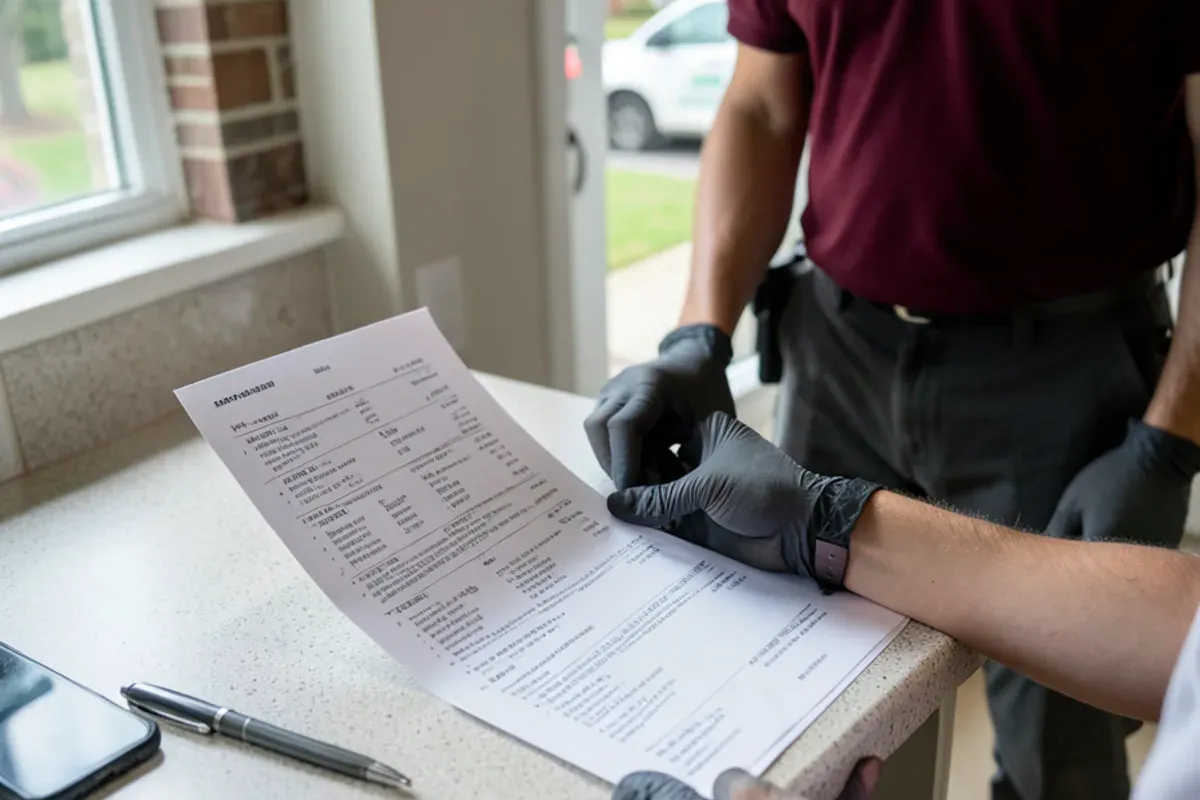
Most written leases mention pests somewhere, often under maintenance, repairs or tenant obligations. Search the document for words like pest, vermin, extermination, insects and rodents. Some leases say the landlord handles all extermination; others assign routine pests to the tenant after a set period, or make the tenant responsible if an infestation results from housekeeping.
Also read the move-in paperwork and any addendum. Bed bug addenda are common in apartment buildings and may set out reporting steps, preparation duties and who pays in different scenarios. If the lease is silent, the other factors in this guide carry more weight.
What does the warranty of habitability mean for pests in Pennsylvania?
Pennsylvania courts recognize an implied warranty of habitability in residential leases, established in Pugh v. Holmes in 1979. In general terms, it means a rental home must be fit to live in. A serious infestation that makes a unit unsafe or unsanitary may raise habitability questions, while an occasional ant or spider generally would not.
The remedies tied to habitability come with specific conditions and procedures. Tenants should not withhold rent or make deductions on their own without first getting advice from a lawyer or a local legal aid office. Landlords facing a habitability complaint should likewise get legal guidance. This is general information, not legal advice.
Does your township's property maintenance code address pests?
Often it does. Many Pennsylvania municipalities have adopted the International Property Maintenance Code (IPMC) as their local property maintenance code, and its pest elimination section requires structures to be kept free of insect and rodent infestation. In broad terms, the IPMC puts pest elimination on the owner before a unit is rented and in shared or public areas of a multi-unit building, while an occupant of a single-tenant property is usually responsible for keeping it free of pests after move-in. Some towns also run rental licensing and inspection programs.
Local versions can change these rules, so ask your township or borough code enforcement office which code it uses. This is general information, not legal advice.
Who pays the exterminator? Common rental situations
These are common patterns, not rules. The lease and the facts of each case control the outcome.
| Situation | Often handled by | What usually decides it |
|---|---|---|
| Mice entering through foundation gaps in a multi-unit building | Landlord | The entry points are part of the building structure |
| Termites in the structure | Landlord | Structural damage to the owner's property |
| Pests already present at move-in | Landlord | Move-in condition and inspection records |
| German cockroaches in one apartment | Varies | Lease terms and whether neighboring units are affected |
| Ants inside a single-family rental | Varies | Whether the lease assigns routine pests to the tenant |
| Bed bugs after recent tenant travel | Disputed | Lease addendum, timing and spread to other units |
Bed bugs and the landlord in PA: why cause is hard to prove
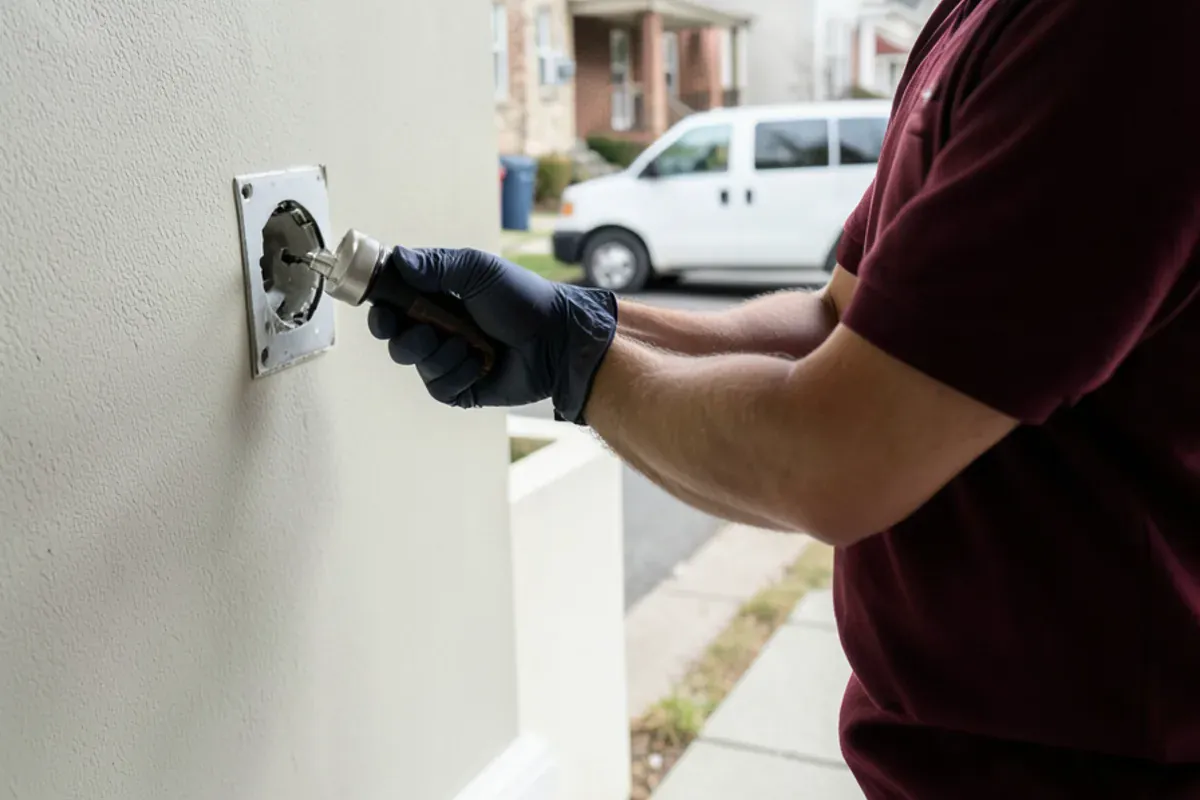
Bed bugs are the pest most likely to cause a disagreement, because no one can usually prove where they came from. They travel in luggage, used furniture and on clothing, and in apartment buildings they also move through wall voids, outlets and shared hallways.
In practice, arguments over cause tend to slow treatment, and delay helps only the bugs. Many landlords and tenants find it works better to treat promptly, inspect adjacent units, and sort out cost under the lease afterward. Our bed bug treatment page explains why inspecting neighboring units matters in multi-family buildings.
For tenants: how to report a pest problem
Put it in writing
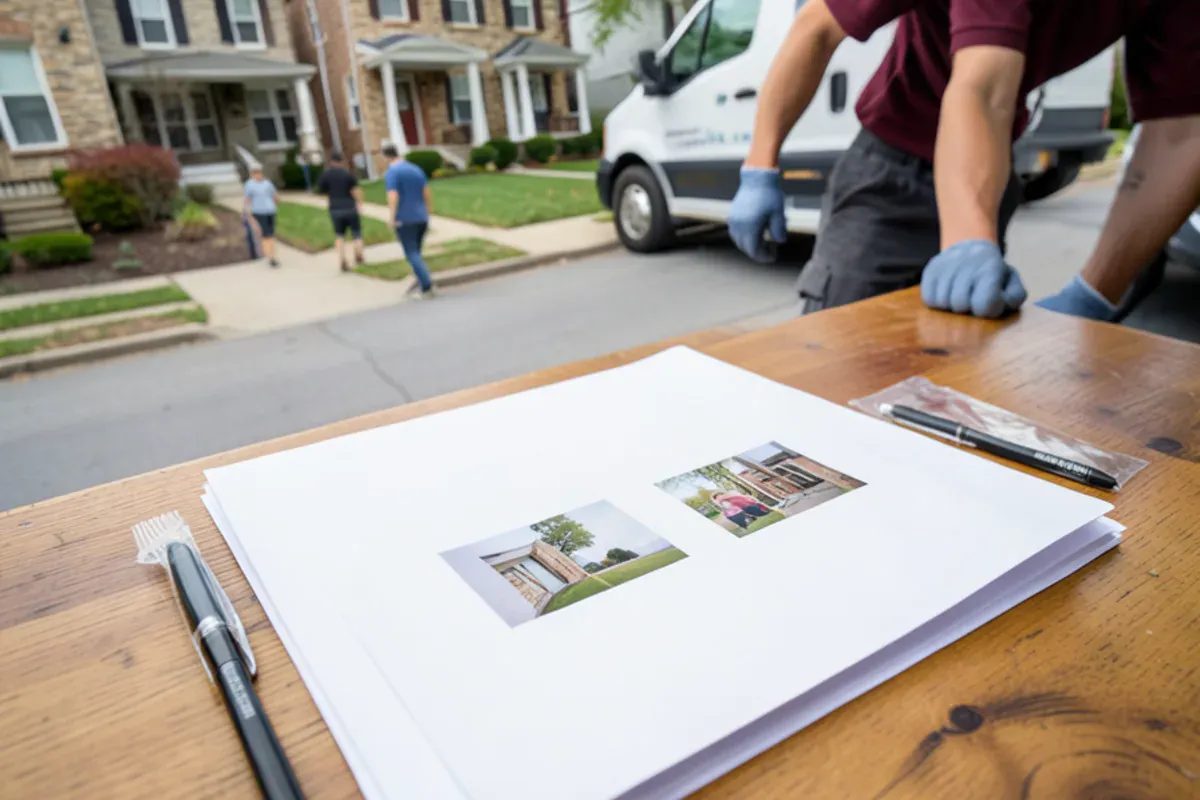
Send a dated message or letter to the landlord or property manager describing the pest, where you saw it and when. Keep a copy.
Add evidence
Attach clear photos, and keep a sample in a sealed bag if you can.
Allow access
Respond quickly to requests for inspection or treatment times. Delays can make the problem larger and muddy questions of responsibility.
Complete the prep
Follow the written preparation instructions fully; incomplete prep is a common reason treatments fall short.
Keep a log
Note new sightings, visit dates and any follow-up messages in one place.
For landlords and property managers: keeping it straightforward
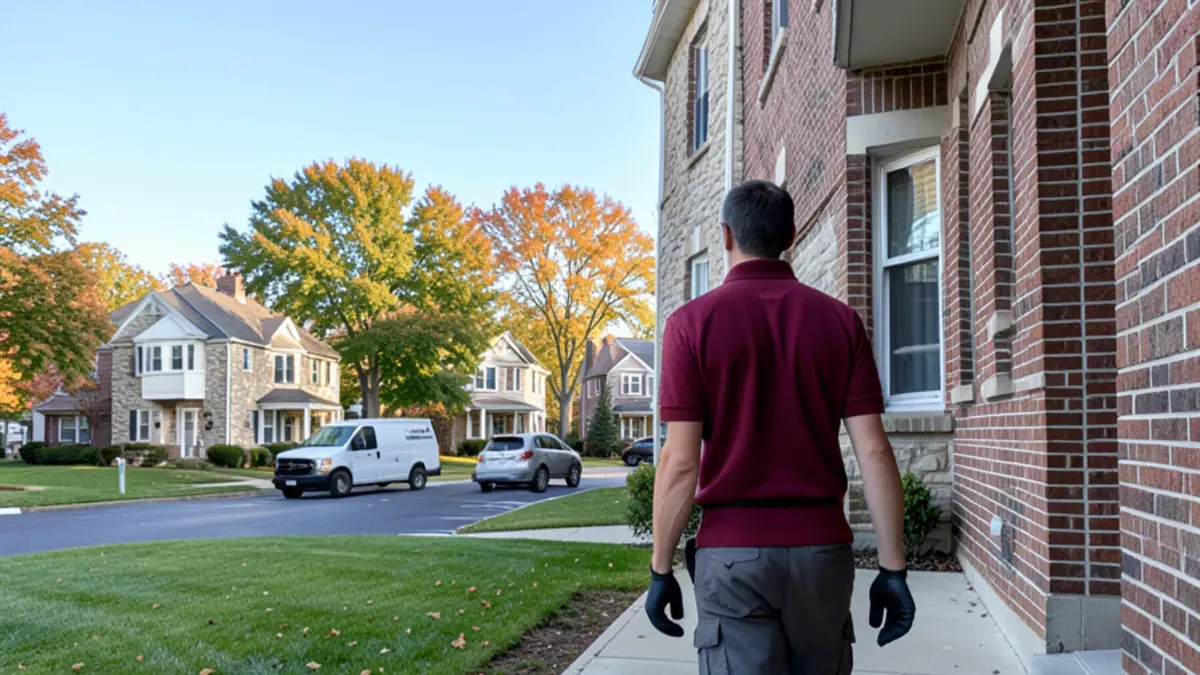
Respond to pest reports quickly and in writing, and keep the inspection and treatment records for each unit. When the pest can spread, such as roaches or bed bugs, schedule inspections of the units that share walls, floors or ceilings. Clear prep instructions for tenants and a consistent provider make outcomes more predictable.
Our apartment pest control service is set up for multi-unit buildings, with written findings after each visit. For single-family rentals and twins, our general pest control services cover the usual household pests. Every job begins with a free inspection and a written quote.
Why this question comes up so often in Upper Darby
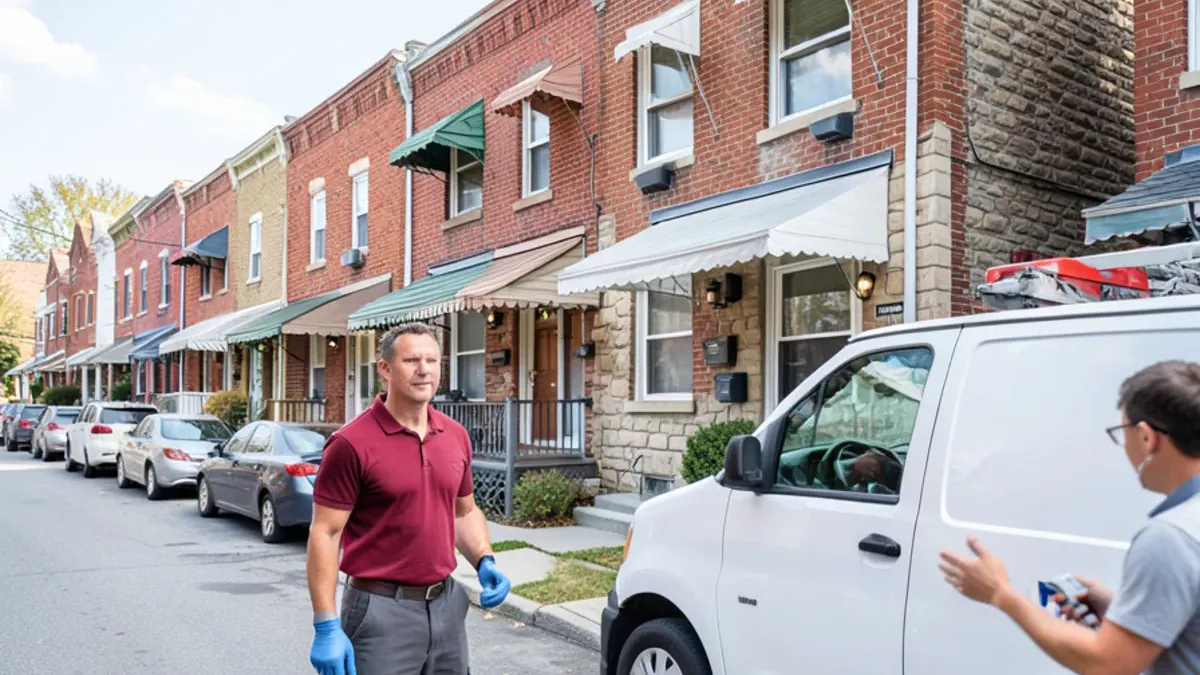
Census (ACS) estimates put about 43% of homes in Upper Darby Township as renter-occupied, with a median build year of 1948. Many rentals are in rowhomes, twins and older apartment buildings where walls, basements and utility chases are shared. In that setting, pests rarely respect unit lines, so cooperation between tenants and owners matters more than usual.
We are about 15 minutes from Upper Darby and open seven days a week from 8 a.m. to 7 p.m. Call (209) 563-1650 to set up an inspection, whether you rent or own the property.
What we see in rental units across eastern Delaware County
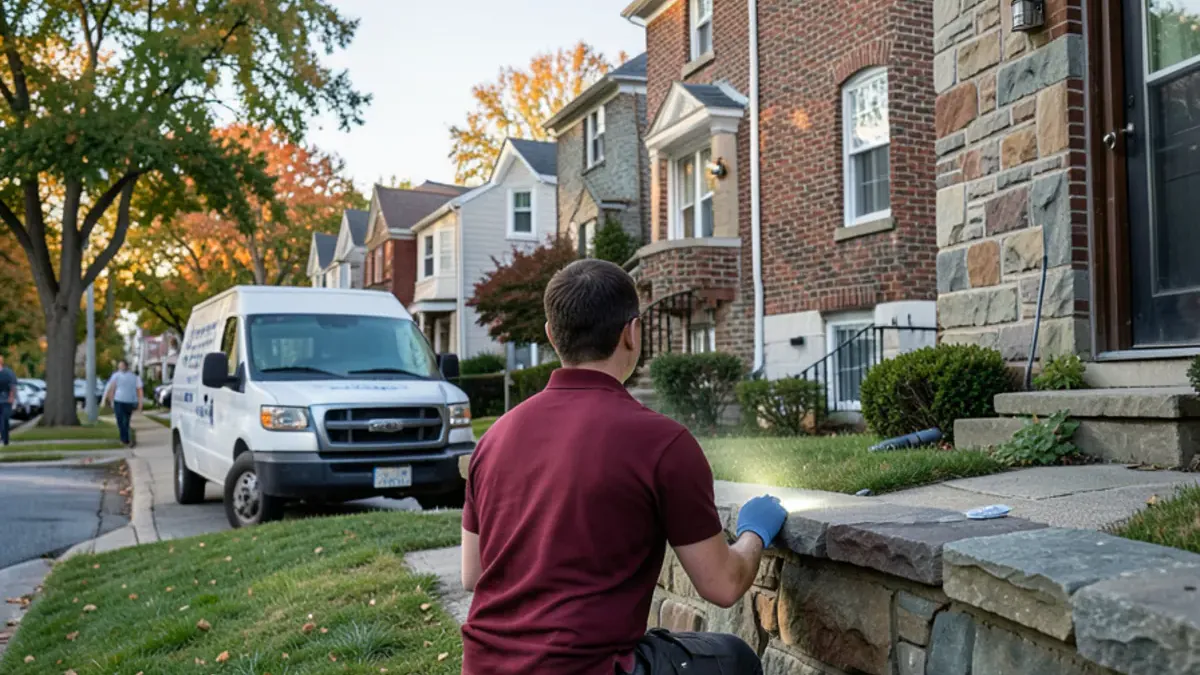
When we inspect an apartment for roaches or bed bugs, the unit that reported the problem is often not the only one involved. We regularly find the heaviest activity next door or below, in a unit whose tenant had not yet noticed or had not yet reported it.
Treatments go faster and hold up better when the landlord authorizes adjacent inspections from the start and the tenant has completed prep before we arrive. Clear written communication between both sides tends to shorten the whole process.
Turnover is the easiest moment to get ahead of a problem. An empty unit lets us open every cabinet, pull the stove and refrigerator, and see the baseboards without stepping around belongings. The catch is that an empty unit is not automatically a clean one: bed bugs can go months without feeding, and German cockroach egg cases hidden in a cabinet hinge will hatch for the next tenant. A check between leases costs little time and protects both sides.
Quick answers
Can I withhold rent in Pennsylvania because of pests?
Do not do it on your own. Pennsylvania recognizes a warranty of habitability, but rent withholding and repair-and-deduct remedies come with conditions and procedures, and getting them wrong can put a tenancy at risk. Talk to a lawyer or a legal aid office first, and keep your written notices, photos and inspection reports ready for that conversation.
Can a landlord charge a tenant for the exterminator?
Sometimes. It depends on what the lease says and on the cause of the infestation. Some leases assign routine pest service to tenants or allow charges when an infestation results from the tenant's actions. Problems tied to the building, such as gaps in an old rowhome foundation, are more often an owner's cost. Read the lease and get advice for your situation.
Who should be home during a pest inspection in a rental?
Ideally the tenant, with the landlord's written authorization on file. The tenant knows where and when pests appeared, which rooms are affected and what prep has been done. If the tenant cannot be there, the landlord or manager can provide access, but a short written note of sightings helps. In rowhome blocks and garden apartments, we may also ask about access to the basement or neighboring units.
The bottom line
In a Pennsylvania rental, the lease and the cause decide most pest cost questions, and habitability rules set an outer limit. Report problems in writing, treat early and keep records on both sides. When a unit needs an inspection and written findings, we can help tenants and landlords alike.
Sources
Written by the No Bugs Exterminator team
A small, family-run pest control business in Media, PA, led by owner Thom. We write about what we see on inspections in Delaware County and southeastern Pennsylvania. About us.
Services mentioned in this guide
Want a professional opinion?
Book a free inspection and get a written quote before any treatment.
- ★ 4.8 from 21 Google reviews
- Open 7 days, 8 a.m. to 7 p.m.
- Free inspection before treatment
- Family-run, based in Media, PA
Open 7 days, 8 a.m. to 7 p.m.