
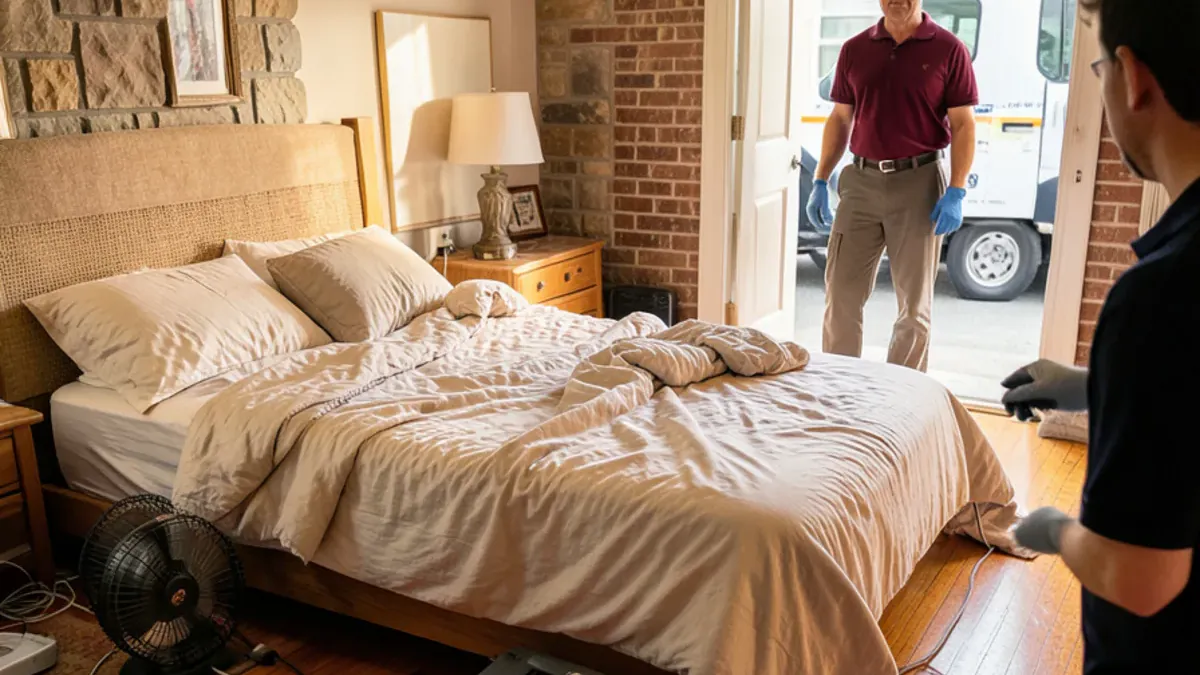
This option depends on the property. Call (209) 563-1650 and we'll confirm whether it's the right fit before anything is scheduled.
What temperature kills bed bugs, and how does heat reach them?
University entomologists have found that adult bed bugs die within about a minute at 122°F, while eggs need roughly 118°F held for well over an hour. That makes heat one of the few methods that kills eggs as reliably as adults.
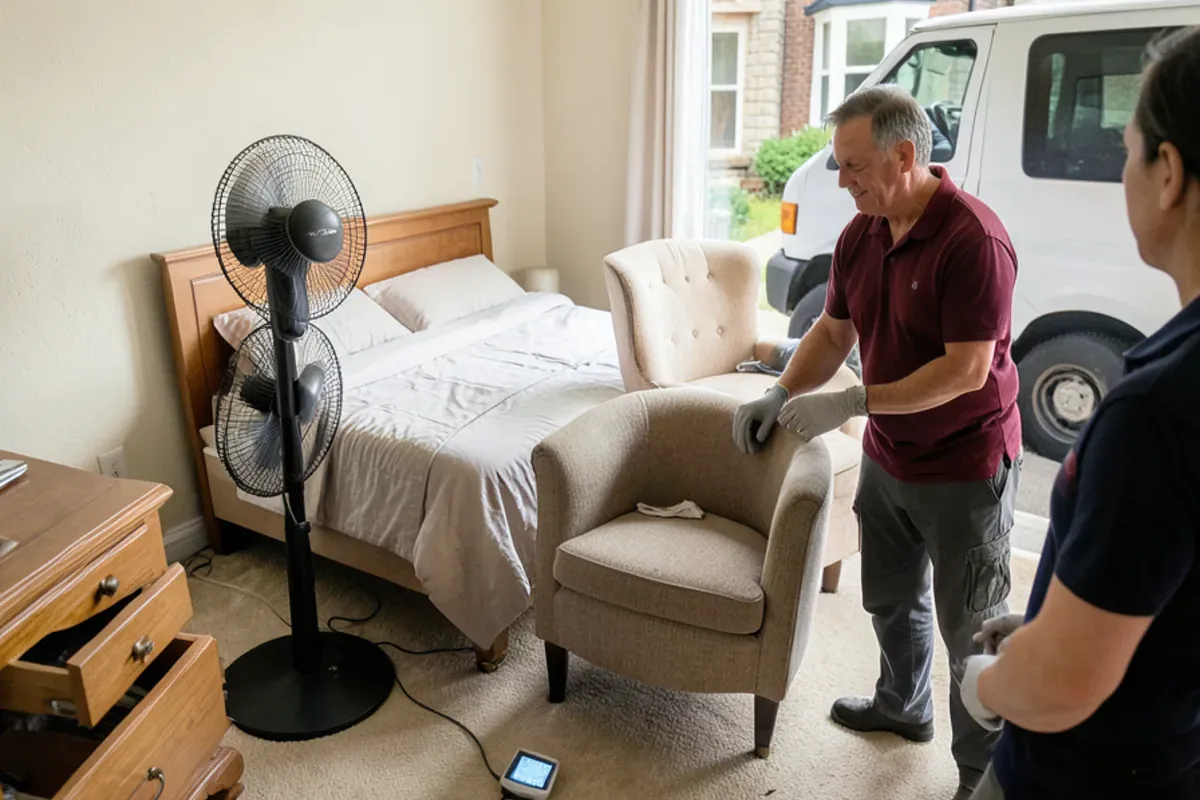
The hard part is getting lethal heat everywhere. Room air is pushed into the 130s °F or higher, and fans keep it moving so the insides of mattresses, cushions, drawers and wall voids catch up. Temperatures are tracked at several points and held until the coolest spots have stayed lethal long enough.
Heat leaves no residue and no lasting protection: once a room cools, one bug carried back in can start over. That is why heat is often paired with a light residual treatment along baseboards and encasements on the bed.
When heat is a good fit, and when it isn't
Heat suits homes that need a fast answer: crowded rooms where treating every crack by hand isn't practical, households that would rather limit chemical products, and furniture full of hiding places.
It is harder in some older Delaware County homes. Plaster walls, deep window wells, stone foundations and drafty sashes in pre-war twins leak heat, and in an attached home bugs can retreat through a shared wall into the unit next door, where the heat never reaches. Apartment buildings usually need management to coordinate the neighboring units, as our apartment bed bug treatment page explains.
What the inspection turns up often points the way. Bugs and eggs deep in a stuffed recliner, a box spring with torn fabric, or a bedroom packed with stored clothing and boxes all lean toward heat. Activity caught early on one bed frame, or a room full of things that can't take high temperatures, such as a music room or a home office lined with electronics, usually leans toward targeted residual work instead.
Heat treatment for bed bugs compared with chemical and steam
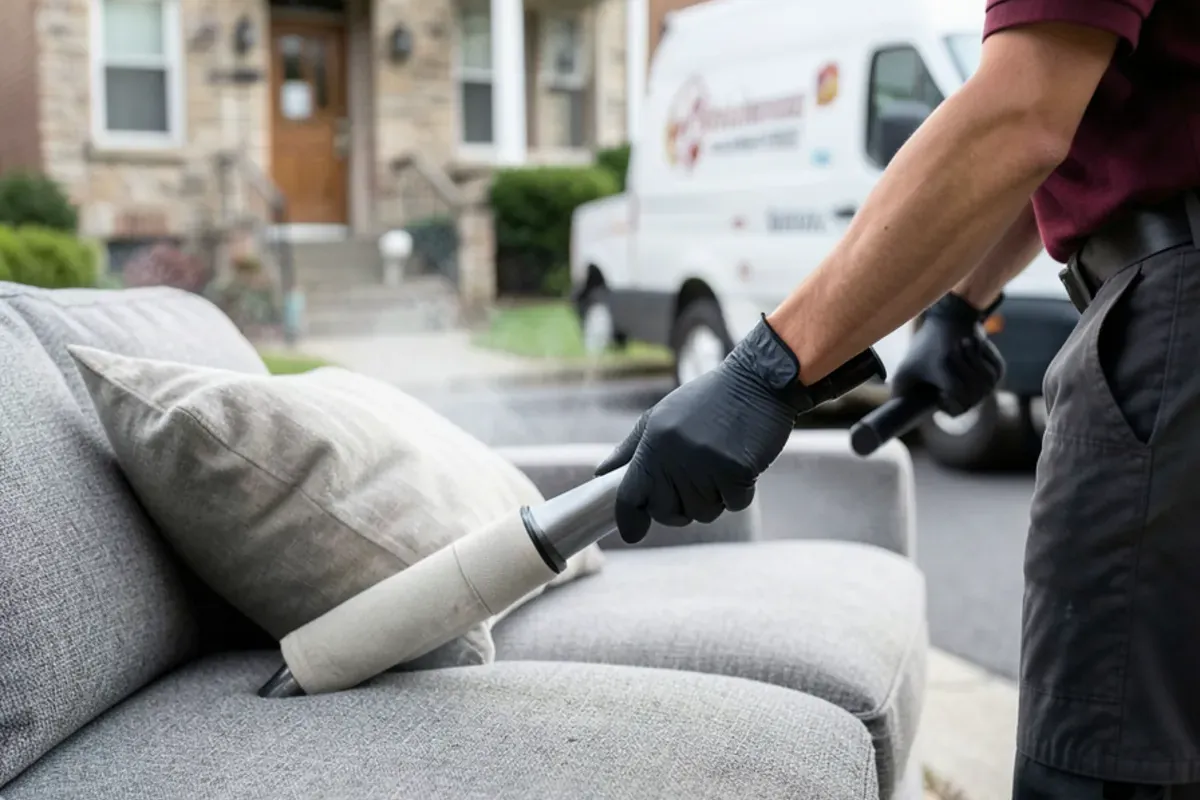
Most homes don't have to pick just one. See bed bug chemical treatment for how residual products and follow-ups work. Bed bug steam treatment is a spot method: a low-moisture steamer kills bugs and eggs in the seams and tufts it touches, so it fits mattresses, couches and headboards rather than whole rooms.
| Factor | Whole-room heat | Residual chemical | Steam |
|---|---|---|---|
| Kills eggs | Yes, where every spot reaches lethal heat | Many products do not; follow-ups catch hatchlings | Yes, on direct contact |
| Visits | Often one, plus a check-back | Usually two or more | Used within other visits |
| Lasting protection | None once the room cools | Residual activity for weeks | None |
| Prep | Remove heat-sensitive items; open drawers and closets | Bag linens and clothing; clear floors | Clear the item being steamed |
| Weak spots | Cool corners, wall voids, attached units | Hiding spots products can't reach | Only what the nozzle touches |
How we inspect before anyone recommends heat
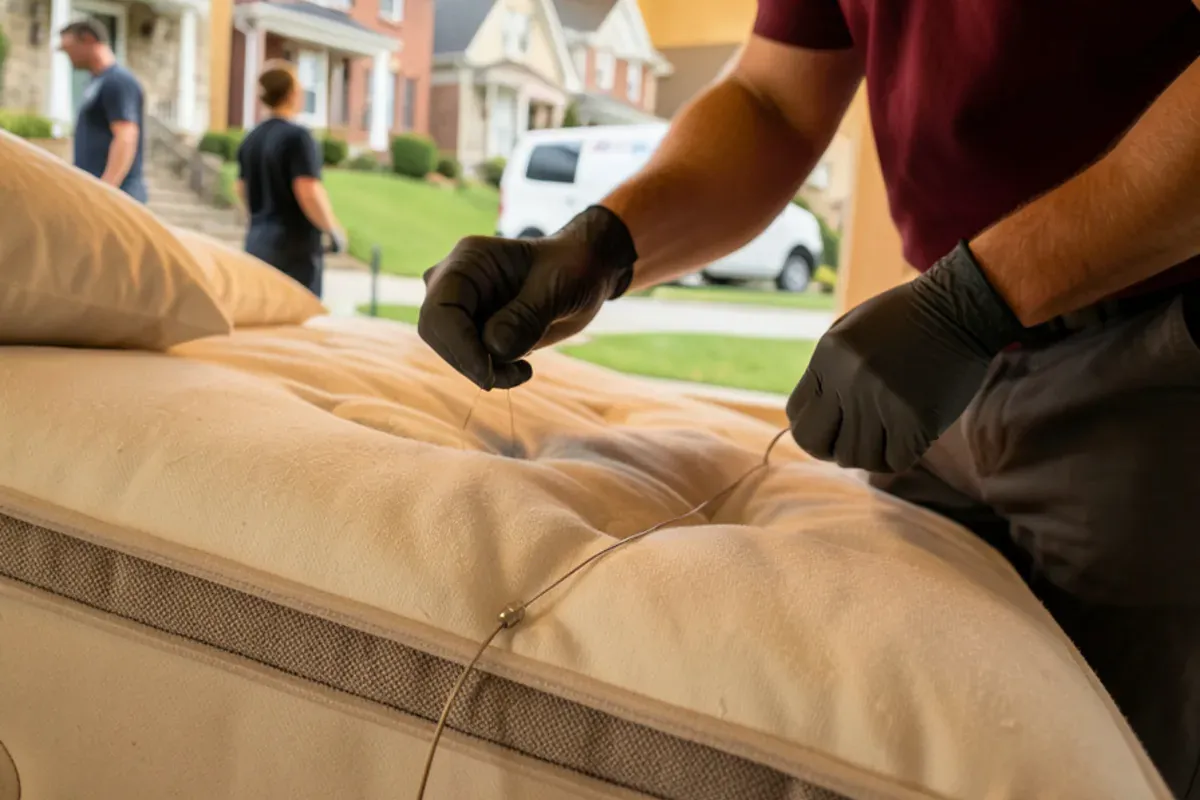
Heat only treats the rooms that get heated, so the free inspection has to be thorough. We check every bedroom, couches and recliners, and rooms that share a wall or ceiling with an infested space, then note anything that complicates heat: a plaster-and-lath wall, a window air conditioner, a third-floor attic bedroom, or a neighbor's unit on the other side of the wall.
If heat looks like a strong fit, we say so and confirm whether it can be arranged for your job. If residual treatment with follow-ups makes more sense for your rooms, we explain why in the written quote.
What a whole-room heat job involves
Prep
Heat-sensitive items leave the treated rooms, drawers and closet doors are opened, and bedding stays in place so it is heated along with the room.
Setup
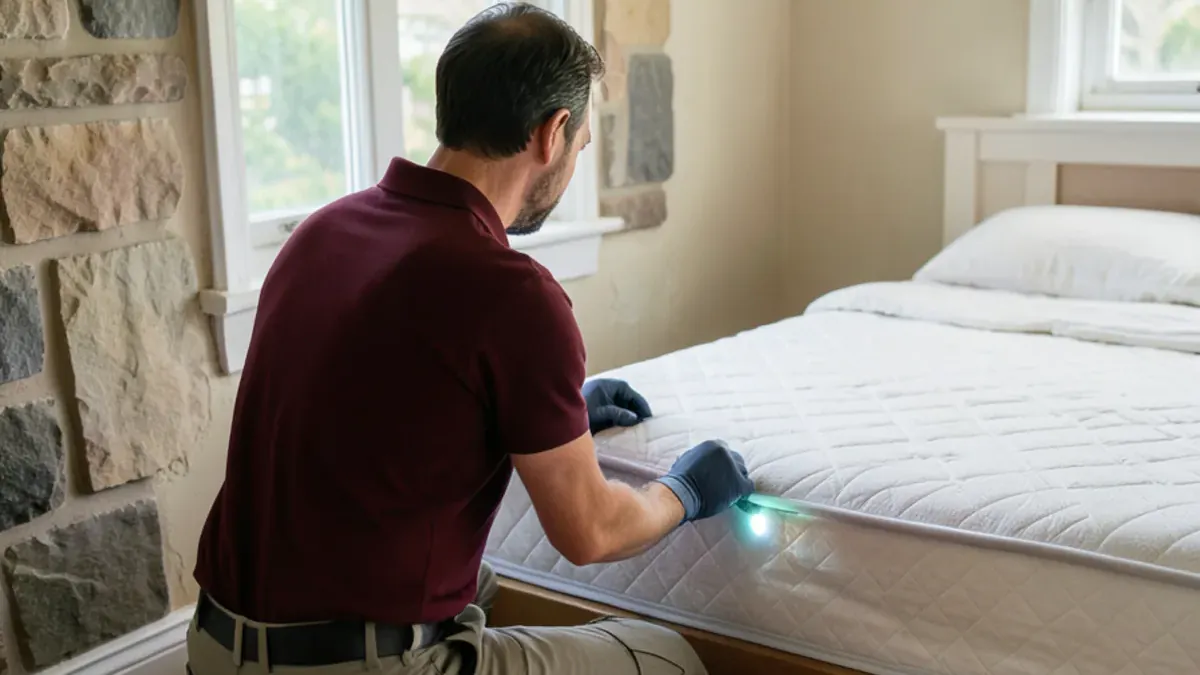
Bed bug heaters and fans are placed so hot air reaches beds, furniture and room edges, and temperature sensors go into mattresses, cushions and spots near the walls.
Ramp up
Room air climbs over an hour or more, and cushions and stacked items are shifted during the job so nothing shields a cool pocket.
Hold
Heat is held until every sensor has stayed in the lethal range long enough to kill eggs as well as adults.
Cool down and finish
Rooms cool, a residual product may go along baseboards and outlets, and encasements go on the mattress and box spring.
Check back
A follow-up inspection a couple of weeks later confirms there is no new activity.
Talk to us about bed bug heat treatment
Call and speak with Thom or his team. The inspection is free, and you get a written quote before any treatment.
- ★ 4.8 from 21 Google reviews
- Open 7 days, 8 a.m. to 7 p.m.
- Free inspection before treatment
- Family-run, based in Media, PA
Open 7 days, 8 a.m. to 7 p.m.
One-day bed bug treatment: what to expect afterward
A heat job takes most of a day, and people, pets, fish tanks and houseplants stay out of the treated area while it runs. Rooms may still be warm when you return.
Dead bugs in seams and along baseboards are normal and can be vacuumed up. Live bugs or fresh bites more than a couple of weeks later point to a missed pocket or bugs coming back from a neighbor or a bag, and that is exactly what the check-back visit is for.
Pennsylvania rules that still apply to a heat job
Heat is not a pesticide, but most heat jobs here finish with a residual product along baseboards and outlets, and that step falls under Pennsylvania's Pesticide Control Act of 1973. The Pennsylvania Department of Agriculture (PDA) licenses the businesses that apply those products and certifies their applicators, and 7 Pa. Code § 128.31 has the business license number shown on company vehicles. Whoever handles your heat job, ask for that number and for the name of any product applied afterward.
In rented twins and apartments, the lease usually decides who arranges heat and how the neighbors are told, and Pennsylvania courts recognize an implied warranty of habitability (Pugh v. Holmes, 1979). This is general information, not legal advice.
What affects bed bug heat treatment cost?
Heat is quoted per job after the inspection, in writing. These are the main drivers.
Older Delaware County housing affects the heat number in particular. A drafty 1940s twin with plaster walls and single-pane sashes may need more time at temperature and a closer watch on the party wall than a 1960s split-level with insulated walls, and a finished third-floor bedroom under the roof adds one more zone to hold.
Access counts as well. Rooms where bedding and dressers stay in place heat evenly, while rooms stacked with boxes need shifting during the job. The written quote shows whether a residual step and encasements are part of the plan, so the full scope is clear before the day is booked.
- Square footage and number of rooms to be heated
- Ceiling height, insulation and how well the rooms hold heat
- How much furniture and how many belongings must reach temperature
- Attached or neighboring units that need inspection or treatment too
- Whether residual treatment or encasements are added
- Follow-up inspections built into the plan
What to remove before heat, and how to keep bugs out after
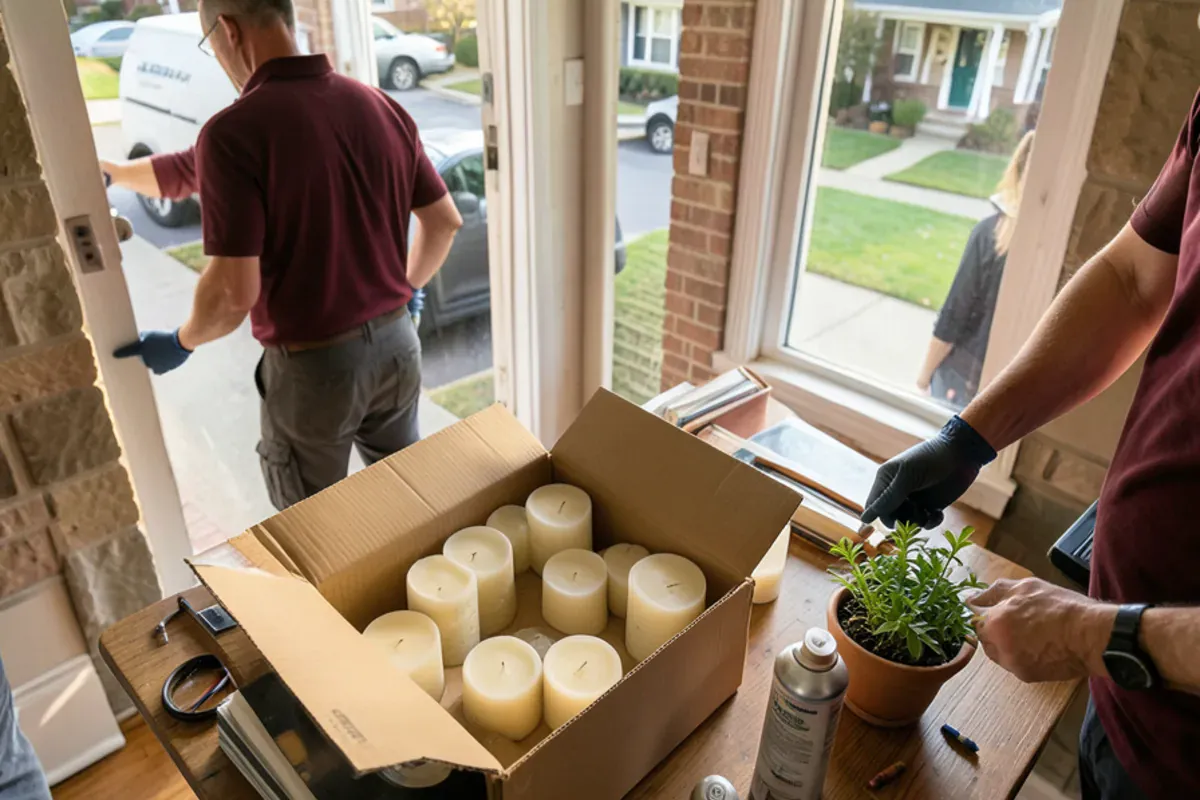
- Remove anything that melts, warps or burns: candles, crayons, lipstick, aerosol cans, lighters, vinyl records and some plastics
- Remove medications, musical instruments, plants, pets and fish
- Leave bedding, clothing in dressers and most furniture in place so they heat with the room
- Check removed items before they go into an untreated room, since they can carry bugs
- After treatment, fit encasements on the mattress and box spring and set interceptor cups under the bed legs
What our bed bug heat treatment includes
- Free inspection of every room that would be heated
- Check of shared walls and neighboring rooms
- Written quote with the method and follow-ups spelled out
- Prep list of items to remove before heat
- Encasement and interceptor cup recommendations
- Follow-up inspection after treatment
Why call No Bugs Exterminator for bed bug heat treatment
Straight answers on method
If heat is the wrong fit for an attached home or a crowded rental, we say so after the free inspection and explain the alternative.
Bed bug specialists
Bed bugs are the pest our business specializes in, so method choice starts from what the inspection actually found.
Written quote first
You see the rooms, the method and the follow-up plan in writing before you commit to anything.
Open every day
Call any day, 8 a.m. to 7 p.m., to ask about heat for your home.
Family-run in Media
Thom and his team run this small family business from Heather Knoll Lane in Media, close to most Delaware County homes.
Where we provide bed bug heat treatment
Heat fits some local homes better than others. Victorian houses in Lansdowne, with plaster walls and tall ceilings, take longer to bring up to temperature. Houses from around 1960 in Marple Township and Nether Providence Township are more often freestanding, which keeps heat and bugs contained. In the twins of Haverford Township, we check the shared wall before planning heat.
- Edgmont Township
Newer subdivisions with a 1991 median build year tend to have insulated walls and tight windows, which help bedrooms reach and hold lethal heat.
- Middletown Township (Delaware County)
Housing around a 1977 median build year near Lima and Glen Riddle is more often freestanding, so heat and bugs stay inside the treated rooms.
- Village Green-Green Ridge
One-story ranches and split-levels off Pennell Road keep bedrooms on one or two levels, which makes zoning a heat job simpler.
- Upper Providence Township (Delaware County)
Detached houses on wooded lots near Rose Tree Park have no shared wall for bugs to retreat into while a room is heated.
- East Lansdowne
Pre-war twins with a 1938 median build year leak heat through plaster and old sashes, and the attached side needs checking before heat is planned.
- Rutledge
Turn-of-the-century homes in this tiny planned borough have tall ceilings and plaster walls that take longer to bring up to temperature.
- Chester Heights
Townhome communities off Route 452 share walls between units, so heating one home works best when the neighbors' rooms are inspected too.
- Concord Township
Subdivisions behind Concordville, with a 1997 median build year, were built with modern insulation that helps a heated room stay in the lethal range.
- Clifton Heights
Older housing in this former Darby Creek mill borough, with a 1951 median build year, can hide cool pockets in stone basements and drafty walls.
What customers say on Google
4.8 out of 5 from 21 reviews on Google. Quoted as written by customers.
No Bugs Exterminator is the best I have seen. The owner is the nicest person in the world, he doesn’t rush anything, and is very thorough in job.
Thank you guys. I had bed bugs.!!! I called you and you came same day and all gone, now I can sleep with out getting bitten.
Thom is a top-notch pest control specialist! And is one of the most genuine guys in the industry. He came to inspect a situation I had going on at the house, took his time, offered detailed advice, and didn’t take a penny.
Bed Bug Heat Treatment: common questions
Is heat better than chemical treatment for bed bugs?
Neither wins in every home. Heat kills all life stages in one session and suits crowded rooms, but it leaves no lasting protection and can miss bugs in cool corners or attached units. Residual chemical treatment keeps working for weeks but usually needs follow-up visits. Many plans combine the two, and the free inspection shows which approach fits your rooms.
What temperature kills bed bugs?
Adults die within about a minute at 122°F, and eggs die when held near 118°F for well over an hour. Because mattresses and cushions heat slowly, heat treatments push room air into the 130s °F or higher and hold it until sensors buried in furniture stay lethal. A clothes dryer on high for 30 minutes does the same job for laundry.
What do I need to remove from the room before heat?
Take out anything that melts, warps, burns or spoils: candles, crayons, aerosols, lighters, medications, vinyl records, instruments, plants and pets. Confirm the exact list for your job before treatment day, since it changes with the rooms and what is in them. Leave bedding, clothing and furniture where they are; they need to heat up with the room.
Can heat treat just one room in a twin or rowhome?
It can, but attached homes need extra care. When one bedroom gets hot, bugs in nearby walls may move away from the heat through shared wall voids, pipe chases and baseboard gaps toward the neighbor's side. That's why we inspect rooms along the shared wall first and may suggest pairing heat with a residual treatment on those edges.
Does heat treatment damage furniture or electronics?
Sturdy furniture, mattresses and clothing tolerate the temperatures used, but some items don't. Wax, certain plastics, vinyl and anything pressurized should come out first. TVs and computers are usually switched off and unplugged rather than removed; ask which electronics should leave the room when we go over your prep list.
Related services
Helpful guides from our blog
Ready to get rid of the problem?
Thom and his team serve Media, Delaware County and southeastern Pennsylvania, open 7 days, 8 a.m. to 7 p.m..
- ★ 4.8 from 21 Google reviews
- Open 7 days, 8 a.m. to 7 p.m.
- Free inspection before treatment
- Family-run, based in Media, PA
Open 7 days, 8 a.m. to 7 p.m.