
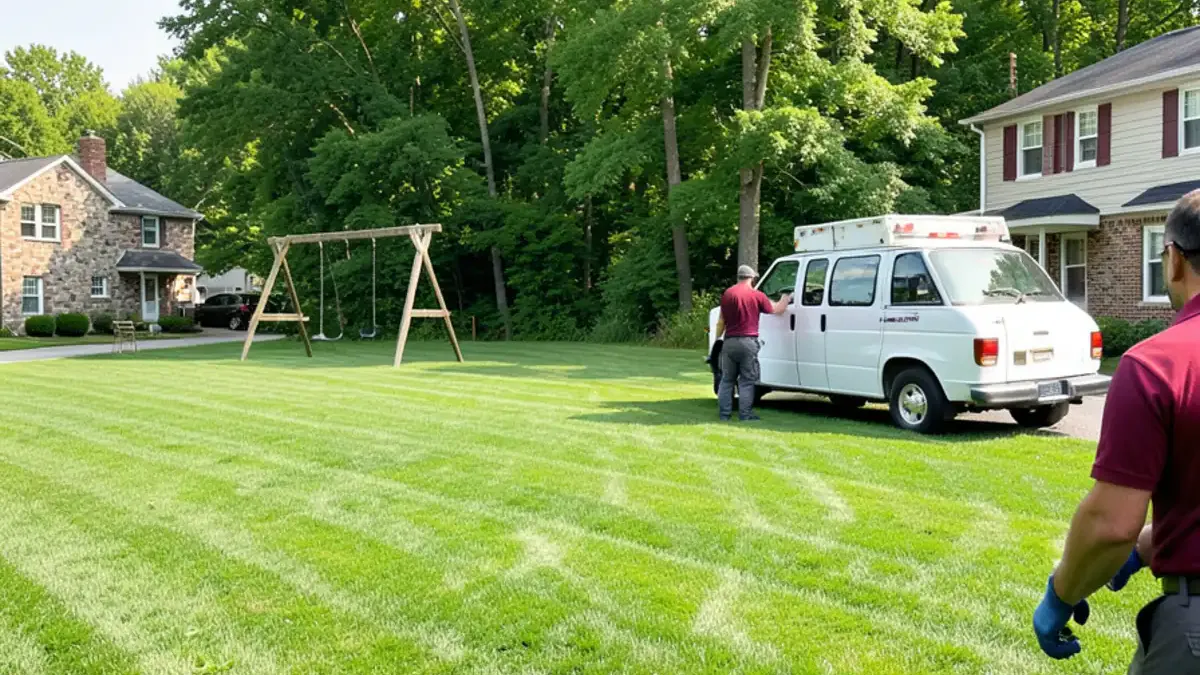
Knowing how to prevent mosquitoes and ticks in your yard starts with one idea: both need specific habitat, and most of it is created by spring cleanup that has not happened yet. Work through the yard zone by zone in April and May and you remove most of what they need before the busy season starts.
Why is spring the time to prevent mosquitoes and ticks in the yard?
Ticks wait in leaf litter and tall grass at shady edges; mosquitoes breed in any water that sits for a week. Both habits make the yard itself, not the wider neighborhood, the place to start.
Pennsylvania reports some of the highest Lyme disease case counts in the country, according to CDC data, and the blacklegged tick that carries it is common on wooded lots across Delaware County. Nymphs, about the size of a poppy seed, are most active from late spring into early summer, right when families start spending time outside.
Mosquitoes follow the warmth. Creeks such as the Crum, Ridley and Darby hold water through summer, but the mosquitoes biting on your patio usually come from much closer: a gutter, a planter saucer or a toy left in the grass.
Zone 1: the wooded edge and leaf litter
Ticks rarely live in the middle of a sunny lawn. They survive where humidity stays high: under leaves, in brush and in the tall grass where a yard meets woods. If your lot backs onto a park, a creek corridor or a neighbor's tree line, this is where most of your tick risk sits.
- Rake leaf litter out of the border between lawn and woods, and bag or compost it well away from play areas.
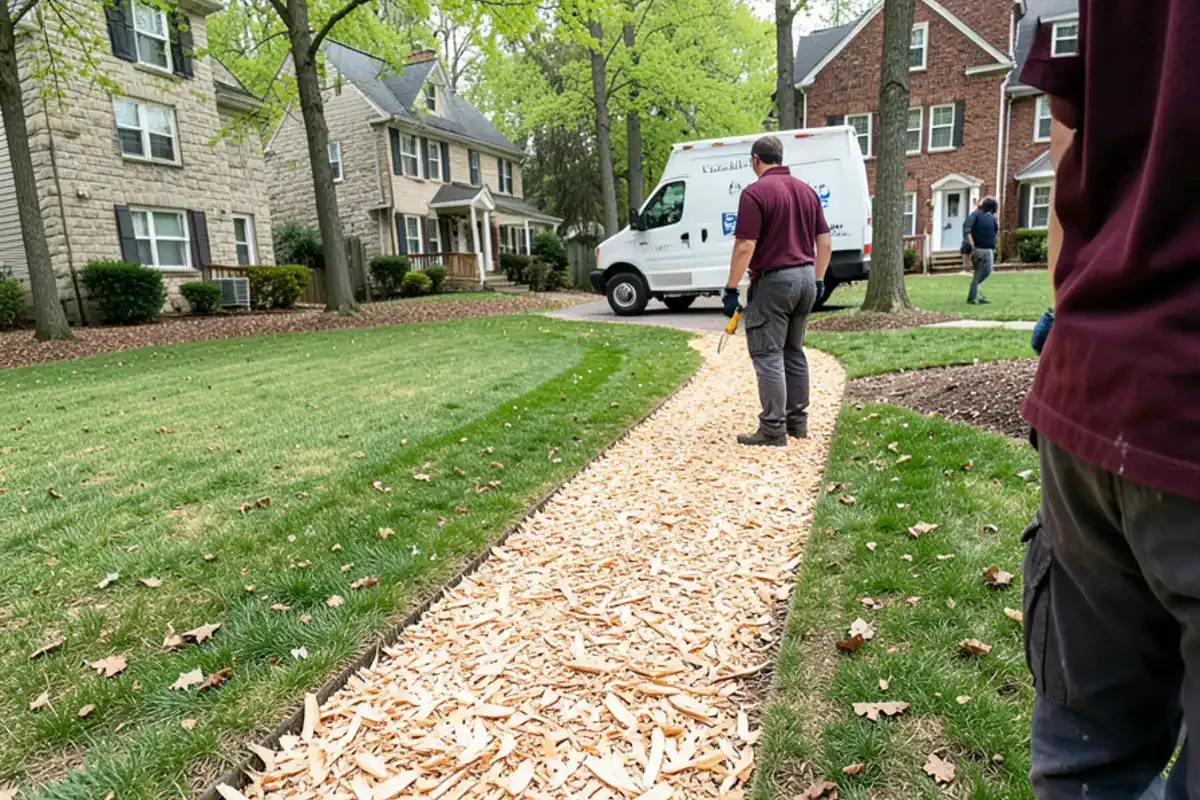
- Lay a strip of wood chips or gravel about 3 feet wide between the lawn and wooded areas to mark a dry barrier ticks seldom cross.
- Cut back brush and tall weeds along fences, stone walls and paths.
- Move woodpiles to a dry, sunny spot; they shelter mice, which carry young ticks.
- Discourage deer with plantings they avoid rather than feeding them near the house.
Zone 2: the lawn, play sets and patio
This is where your family spends time, so it should be the driest, sunniest and most open part of the yard.
- Mow regularly and keep grass short where children play.
- Set swing sets, sandboxes and outdoor seating away from the woods and in sun where possible.
- Trim low branches to let light reach the ground and dry it out.
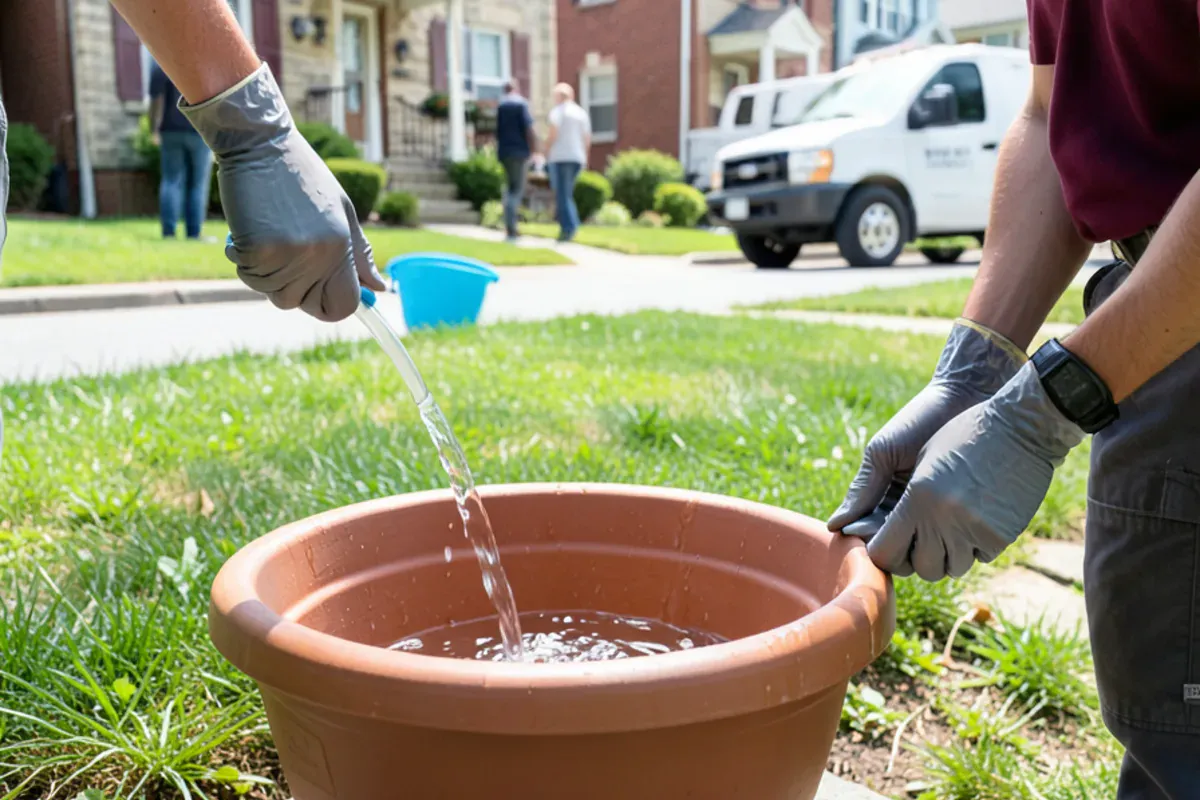
- Turn over or store wheelbarrows, kiddie pools and sand toys so they cannot hold rain.
- Check outdoor furniture covers and grill covers for pooled water after storms.
Zone 3: a standing water checklist for gutters, drains and containers
In warm weather, a mosquito's life from egg to biting adult can take about a week. The Asian tiger mosquito, a common daytime biter here, lays eggs in containers as small as a bottle cap, so the small sources matter as much as the big ones.
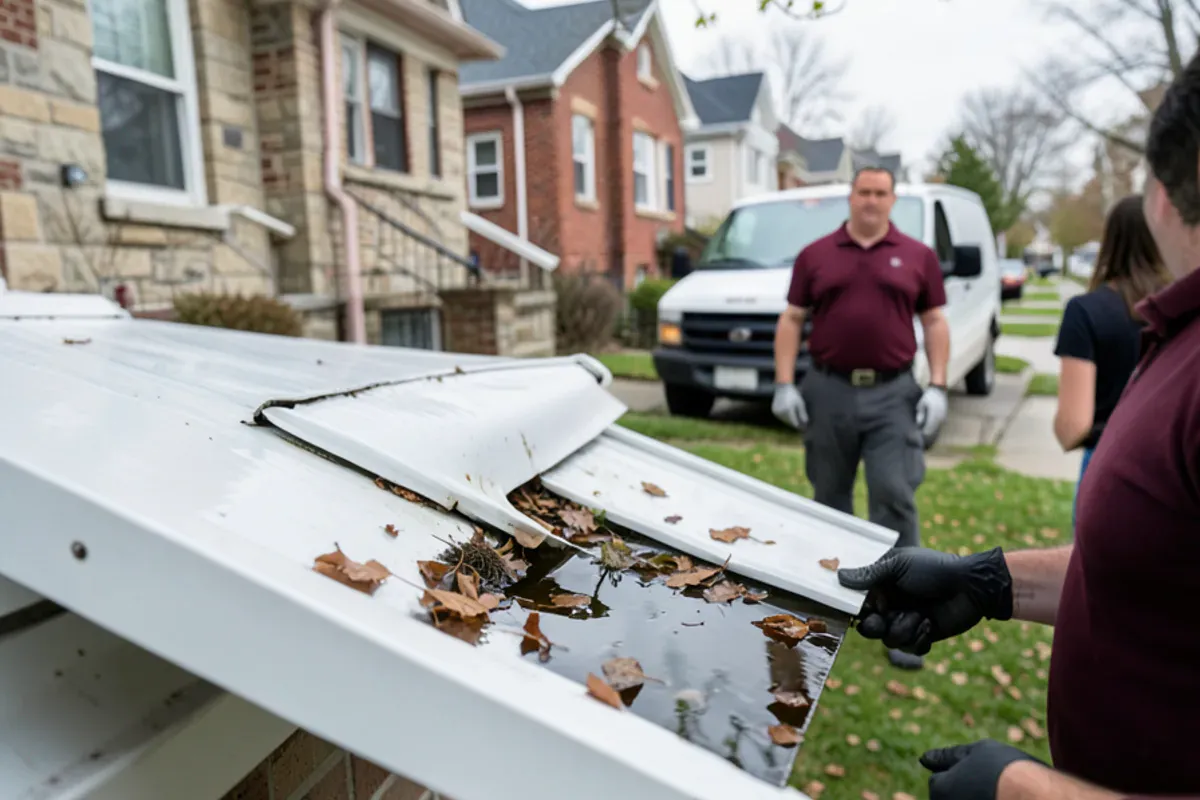
- Clean gutters and check that downspouts drain freely; a sagging gutter can hold water for weeks.
- Empty and scrub bird baths weekly, and change pet water bowls outdoors every day or two.
- Drill drain holes in tire swings, recycling bins and planters without them.
- Pull tarps tight or store them, and turn over boats, canoes and buckets.
- Clear leaves from corrugated downspout extensions, which trap water inside the ridges.
- Keep rain barrels sealed with fine mesh over every opening.
Zone 4: garden beds and shady corners
Thick ground cover and damp mulch along the house give both pests a place to rest out of the sun. Adult mosquitoes spend the hot part of the day in dense shrubs and under decks, and ticks will hold on in moist ivy beds.
- Thin dense shrubs and ivy, especially along the shady north side of the house.
- Keep mulch beds a few inches deep, not piled high.
- Clear debris and stored items from under decks and porches.
- Fix leaking spigots and AC drip lines that keep beds soggy.
How do you keep the yard tick-proof through summer?
A spring cleanup makes the biggest difference, but the yard needs a short check each week to stay that way. Ten minutes on the same day each week is enough for most lots.
Walk the edges
Look at the wooded border, fence lines and paths for new leaf piles or grass growing tall.
Tip and drain
Empty anything that collected water since last week, including saucers, toys and tarps.
Look up at the gutters
After heavy rain, check for overflow or water standing in the trough.
Check people and pets
After yard work or play near the woods, check skin, hair and pets for ticks. The CDC's tick pages cover removal and when to see a doctor.
When yard work is not enough
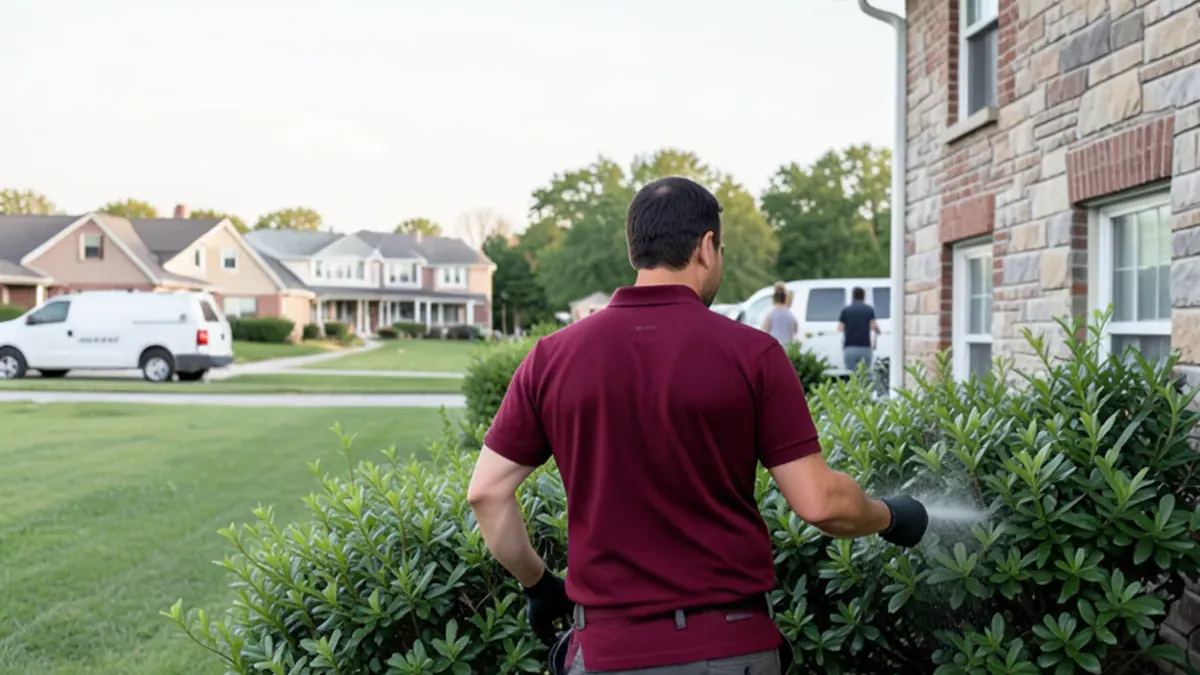
On lots that border parks, creeks or large wooded areas, cleanup can lower the numbers without bringing them close to zero. That is where targeted treatments help. Our tick control service focuses on the shady edges, leaf litter and wall bases where ticks wait, and mosquito yard treatment treats the shrubs and resting spots adults use during the day. Both are part of our seasonal mosquito control work, and both do more on a yard that has already been through this checklist.
What we find on spring yard visits in wooded parts of the county
When we walk yards near Ridley Creek State Park, Crum Woods and the other creek corridors, the tick-heavy spots are almost always the same: a strip of uncut grass along the back fence, a leaf pile that never got moved, and a stone wall with ivy on it. The lawn itself is usually fine.
On the mosquito side, we often find the source within a few steps of the back door, typically a gutter or a corrugated downspout extension. On lots in Upper Providence Township, where Ridley Creek State Park puts woods behind many back fences, the tick edge can run the full width of the yard. Our Delaware County pest control page covers how we handle yards across the county.
We are also honest about order. If the back fence line is still knee-high and the gutters overflow, we usually suggest the cleanup first and the treatment second, because a product applied to wet, matted leaves and tall grass reaches fewer of the places ticks and resting mosquitoes actually sit. A shrub and edge treatment also wears down with heavy rain and new growth, so on creekside lots it works as a series of visits through the warm months rather than one spring application. The checklist and the treatment do different jobs, and the yards that stay comfortable into August usually have both.
Quick answers
When should I start my spring yard cleanup for ticks?
Start in April, as soon as the ground dries enough to rake. Blacklegged tick nymphs become most active from late spring into early summer, so clearing leaf litter and setting up a dry border before Memorial Day gives you the most benefit. On wooded Delaware County lots, a second pass in early fall removes the leaves where adult ticks wait.
Do bug zappers or citronella candles keep mosquitoes away?
Not reliably. Zappers mostly kill moths and beetles, and citronella helps only in a small area close to the flame. Removing standing water does far more. For yards with heavy pressure, a treatment of the shrubs and shady spots where adults rest gives longer relief, and we plan those visits around the warm months.
Is a wood chip strip enough to keep ticks away from a play set?
No, not on its own. A dry strip of chips or gravel between lawn and woods discourages ticks from crossing into the mowed area, but mice, deer and pets still carry them over. It works best with the play set moved into sun, grass kept short around it and leaf litter cleared from the fence line. On yards backing onto Delaware County creek woods, an edge treatment adds another layer.
How often should I check the yard for standing water in spring?
Once a week is the right rhythm. In warm weather mosquitoes can go from egg to biting adult in about a week, so tipping saucers, toys and tarps every seven days breaks the cycle before a new batch emerges. Add an extra check after any heavy rain, and look at gutters and corrugated downspout extensions, which hold water out of sight on many Media-area houses.
The bottom line
Rake the edges, drain the containers and keep the play areas sunny, and you take away most of what mosquitoes and ticks need. If your yard backs onto woods or a creek and you want help with the rest, call (209) 563-1650 to set up a free inspection.
Sources
Written by the No Bugs Exterminator team
A small, family-run pest control business in Media, PA, led by owner Thom. We write about what we see on inspections in Delaware County and southeastern Pennsylvania. About us.
Services mentioned in this guide

Want a professional opinion?
Book a free inspection and get a written quote before any treatment.
- ★ 4.8 from 21 Google reviews
- Open 7 days, 8 a.m. to 7 p.m.
- Free inspection before treatment
- Family-run, based in Media, PA
Open 7 days, 8 a.m. to 7 p.m.