
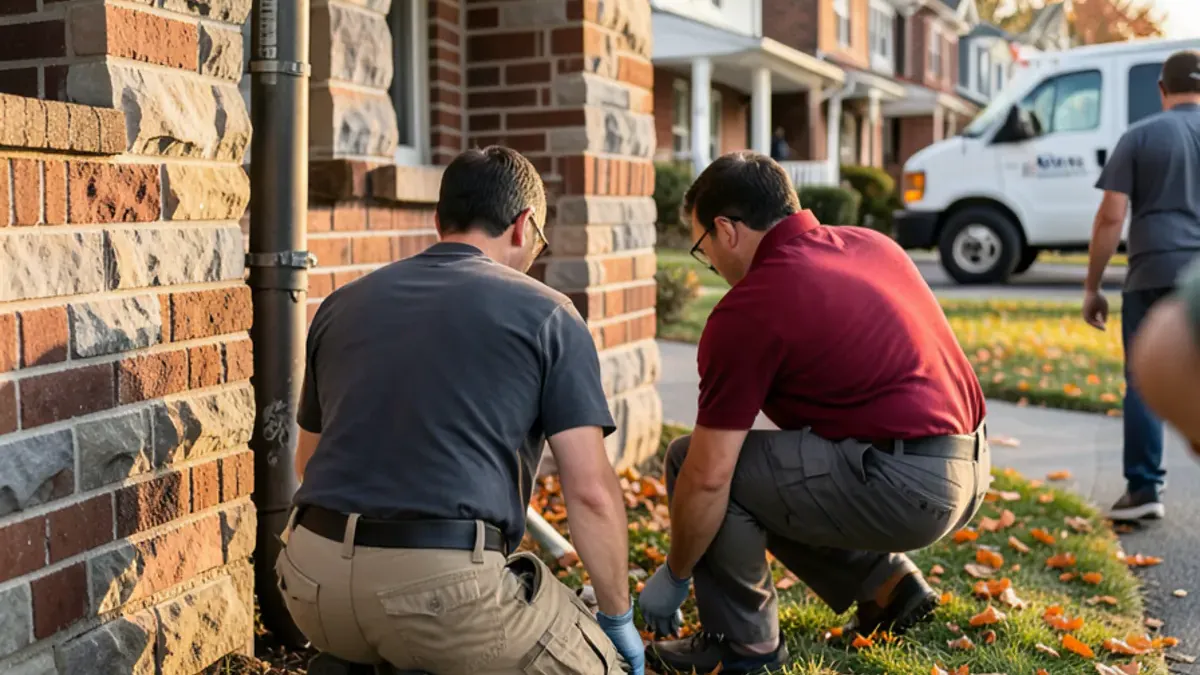
If you want to know how to rodent proof your home, the answer is mostly about timing and materials: close every opening a mouse can squeeze through before the nights turn cold, using materials it cannot chew, and take away the food and nesting spots that make your house worth the effort.
Why do mice move indoors in the fall?
House mice live outdoors in fields, hedges and sheds through the warm months. As temperatures fall and seeds run out, they follow warm air and food smells toward buildings. A gap that went unnoticed all summer suddenly carries traffic.
Mice can squeeze through an opening about 1/4 inch wide, about the size of a dime, and they climb rough brick, wires and downspouts easily. Once inside, a single pair can start a family within weeks, and nests in insulation or behind appliances are hard to reach.
In southeastern Pennsylvania, the push indoors starts in early fall, so the work belongs in September and October rather than after the first scratching in the walls.
How to rodent-proof your home from the ground up
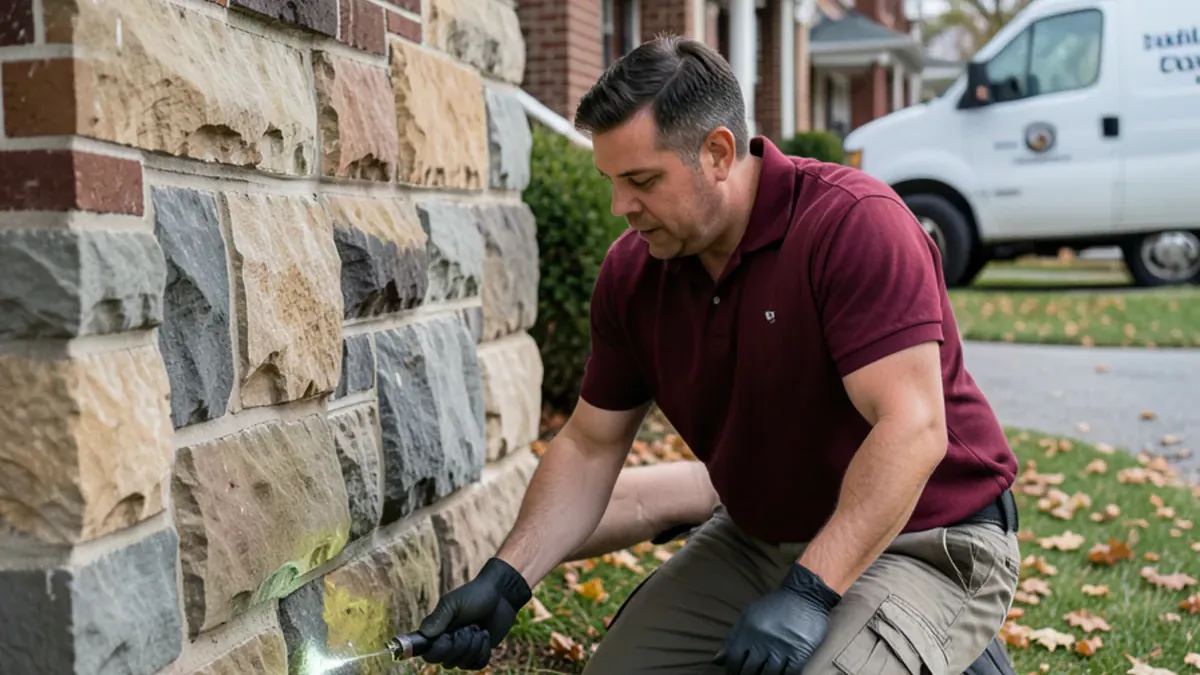
Work around the house in layers, starting at the soil line. Check every spot with a flashlight, and push a pencil into any gap; if the pencil fits, a mouse can too.
- Foundation and sill: cracks in block or stone, gaps where the wooden sill plate meets the foundation, and old holes from removed pipes.
- Utility lines: the gas meter line, AC refrigerant lines, outdoor faucets, cable and phone wires, and the dryer vent.
- Basement windows: warped frames, cracked panes, and window wells full of leaves that let mice reach the sash.
- Doors: the threshold under exterior doors, especially basement walkouts and the door from the garage into the house.
- Decks and porches: the space where a porch slab or deck ledger meets the house wall.
- Roofline: gaps at the soffit, unscreened gable vents and spots where the fascia has rotted. Mice and squirrels both reach these by climbing.
Which materials keep mice out, and which do not?
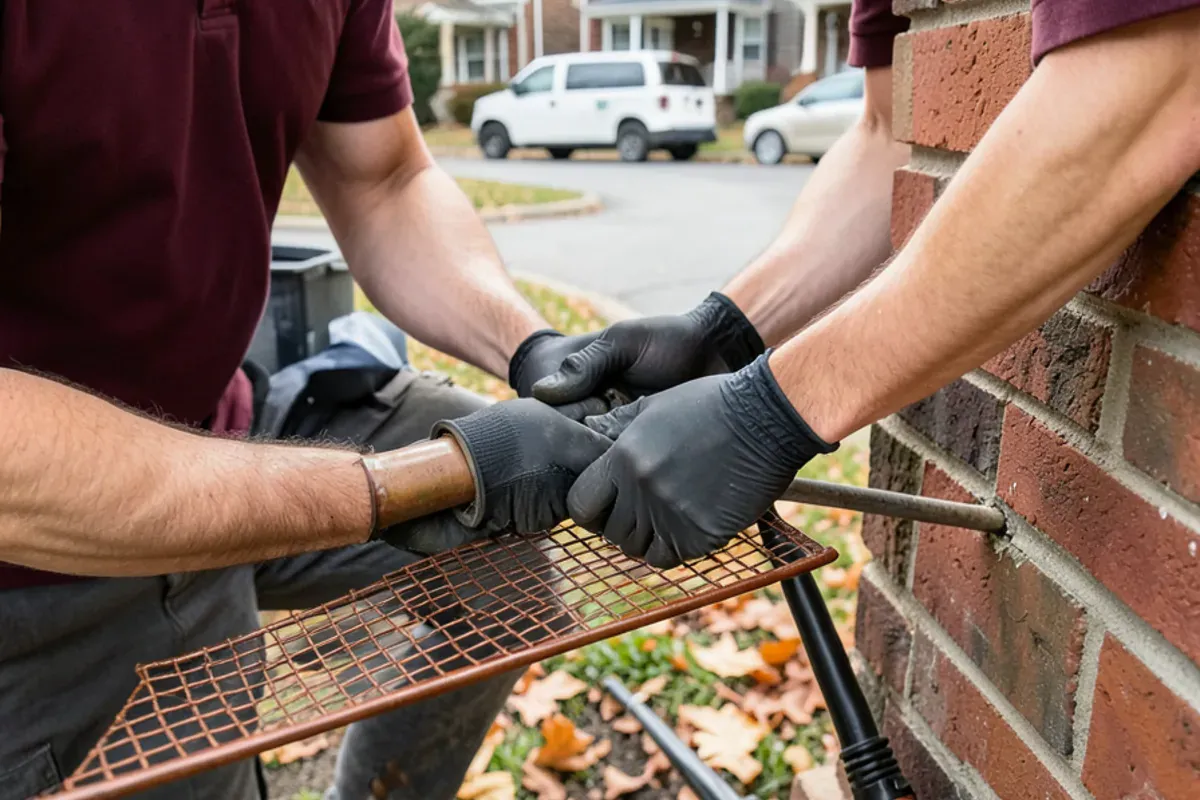
Rodents chew. A patch has to stand up to teeth, not just fill the space. These are the materials we rely on and the ones that fail most often.
| Material | Good for | Watch out for |
|---|---|---|
| Copper mesh | Packing gaps around pipes and wires before sealing | Needs a sealant over it to stay in place |
| Steel wool | Short-term stuffing in dry spots | Rusts and stains outdoors |
| 1/4-inch hardware cloth | Covering vents, crawl openings and window wells | Must be fastened tightly on all edges |
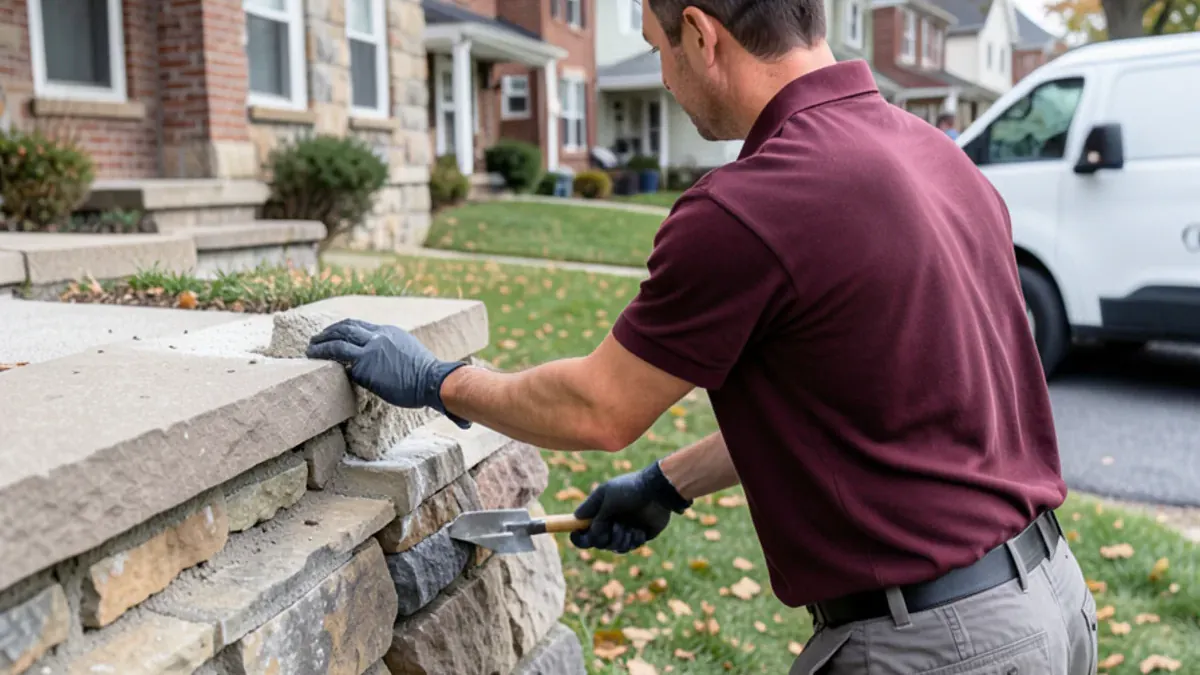
| Mortar or concrete patch | Foundation cracks and large holes in masonry | Takes curing time; plan for dry weather |
| Expanding foam alone | Draft sealing only | Mice chew straight through it |
| Brush or rubber door sweeps | Gaps under exterior doors | Wear out; check them every fall |
Garage door mice: the gap most homes overlook
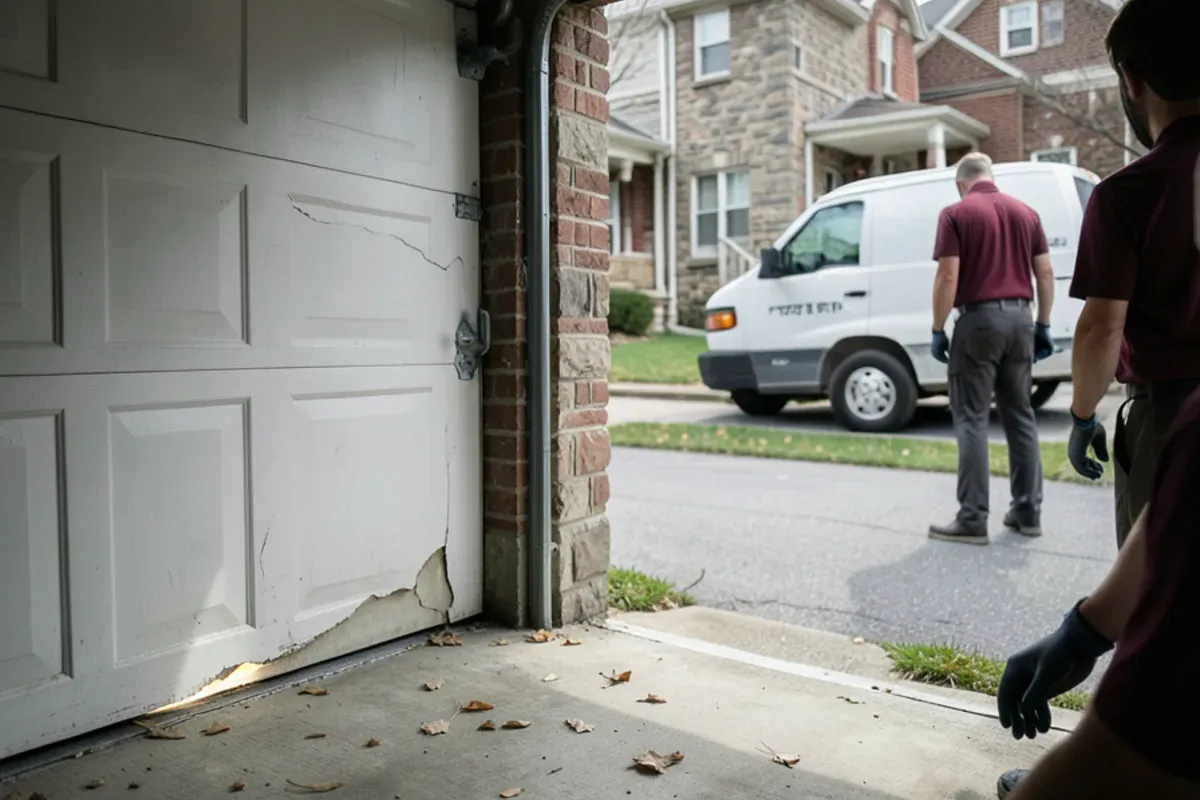
In our experience, the garage is the single most common way mice reach the living space. The rubber seal along the bottom of the door hardens and splits with age, the corners curl, and driveways settle so the door no longer meets the concrete evenly. From the garage, mice follow pipes and wiring into the house.
Close the garage door, turn off the lights during the day and look for light along the bottom edge and corners. Replace a cracked bottom seal, add corner seals where the door meets the frame, and keep the door from the garage into the house fitted with its own sweep.
Weather stripping and door sweeps for mice
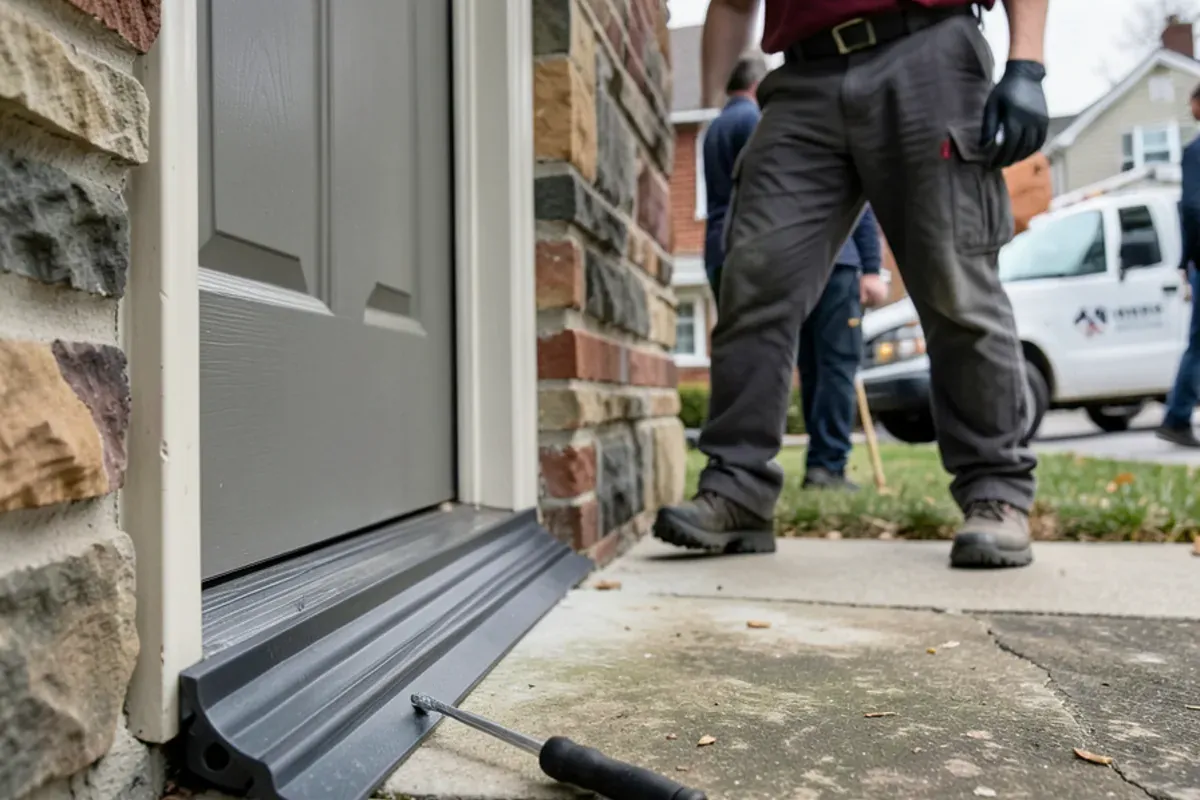
Weather stripping saves on heating, but most foam strips do little against rodents. At the bottom of each exterior door, choose a sweep with a metal or heavy rubber body, and make sure it touches the threshold along the full width. Older Delaware County homes often have thresholds that dipped over time, so a sweep that fits in the middle may still leave a gap at one side.
Check sliding doors, too. The track at the bottom often has a gap at the end where the fixed panel meets the frame.
Take away the food and nesting spots that draw rodents
Sealing slows mice down; taking away food and shelter makes the house less worth the effort in the first place.
- Move birdseed, grass seed and pet food out of paper bags and into metal or heavy plastic bins.
- Bring in outdoor pet bowls at night and sweep up under bird feeders.
- Stack firewood well away from the house and off the ground, and bring in only what you will burn in a day or two.
- Clear clutter and cardboard from the garage and basement floor.
- Cut back ivy and dense shrubs that cover the foundation.
A six-week countdown to the first frost
Spread the work over a few weekends rather than trying to do it all in one day.
Week 1: walk and list
Inspect the foundation, utility lines, doors and roofline, and write down every gap.
Week 2: buy materials
Copper mesh, sealant, hardware cloth, a garage door seal and door sweeps.
Weeks 3 and 4: seal low, then high
Do the foundation, utility lines and doors first, then soffits and vents.
Week 5: clear food and cover
Move seed and pet food into bins, clean the garage floor, and stack firewood away from the house.
Week 6: check your work
Repeat the daylight test in the basement and garage, and set a few snap traps along walls as an early warning.
When should you stop sealing and call for help?
If you already hear scratching, find droppings in drawers or see a mouse in daylight, sealing alone can trap animals inside the walls. That is the point where an inspection makes sense. Our mouse control service deals with the mice already inside, and rodent exclusion seals the house properly once activity is under control. The rodent control section covers both.
What fall rodent calls look like in Ridley and nearby towns
When we inspect homes in Ridley Township and the surrounding boroughs in October, the entry points repeat: a garage door seal worn through at one corner, the gap around an AC line, a basement window that no longer latches. Census (ACS) estimates put the township's median home at 1957, so many houses there have sixty-plus years of settling at the sill.
Ridley is about 10 minutes from our Media base. If you live in Holmes, Secane, Milmont Park or nearby, our Ridley Township pest control page explains how we work in the area.
Weather sets real limits on fall exclusion, and we plan around them. Mortar and most exterior sealants need dry days above freezing to cure, so a foundation patch done in late November may crumble by spring; that is one more reason to start in September. Some repairs involve trade-offs homeowners should weigh: hardware cloth over a gable vent works but is visible from the street, and a badly deteriorated stone foundation or rotted sill may need a mason or carpenter before any rodent seal will hold. On lots with detached sheds and garages, we also point out which outbuildings are worth sealing and which are better simply emptied of seed and pet food.
Quick answers
When is the right time to rodent-proof a house in Pennsylvania?
September and early October are ideal. Mice start looking for shelter as nights cool, and repairs are easier while it is still dry and mild enough for sealants and mortar to cure. Around Delaware County, waiting until after the first hard frost usually means some mice are already inside, which makes an inspection before sealing a good idea.
Will expanding foam keep mice out?
Not on its own. Mice chew through foam quickly. Pack the gap with copper mesh first, then seal over it with caulk or foam, or use mortar or hardware cloth for larger openings. When we do exclusion work, we choose the material by the size and location of each gap, and we show the homeowner what was sealed.
Do ultrasonic repellers or peppermint oil keep mice out?
Not in any lasting way. Ultrasonic plug-ins may startle mice at first, but studies show they get used to the sound within days, and the signal does not pass through walls or furniture. Peppermint oil fades within a day or two and does nothing about the gap the mouse used. Copper mesh, sealant and a tight door sweep stop entry; scent and sound do not.
Should I put out mouse bait before winter as prevention?
Not indoors. Poison placed inside lets mice die in wall voids, which brings odor and flies, and it puts children and pets at risk. Snap traps set along basement and garage walls work better as an early warning. If outdoor bait is needed around a Ridley Township foundation, it belongs in locked, tamper-resistant stations placed according to the label.
The bottom line
A few weekends of sealing and cleanup before the cold sets in can save you a winter of traps and scratching. If mice are already inside or the roofline gaps are out of reach, call (209) 563-1650 for a free inspection and a written quote.
Sources

Written by the No Bugs Exterminator team
A small, family-run pest control business in Media, PA, led by owner Thom. We write about what we see on inspections in Delaware County and southeastern Pennsylvania. About us.
Services mentioned in this guide
Want a professional opinion?
Book a free inspection and get a written quote before any treatment.
- ★ 4.8 from 21 Google reviews
- Open 7 days, 8 a.m. to 7 p.m.
- Free inspection before treatment
- Family-run, based in Media, PA
Open 7 days, 8 a.m. to 7 p.m.