If you are weighing commercial pest control, what to expect comes down to paperwork as much as products: a written plan, a log that stays on site, a report after every visit and agreed thresholds for when action changes. A program built that way holds up when a health inspector or auditor asks questions. A quick spray with no records does not, even if the building looks clean that week.
Why a commercial account is a different job
A home has one family deciding what is acceptable. A restaurant, office, warehouse or apartment building answers to customers, tenants, health departments, landlords and sometimes corporate standards. Each of those groups wants proof that pests are being managed on a schedule, not just treated when someone complains.
That is why commercial work leans on integrated pest management, or IPM. The idea is simple: inspect, identify, fix the conditions that feed pests, monitor, and use targeted treatments only where they are justified. Pennsylvania already requires public schools to run IPM plans under Act 35 of 2002, and many private businesses now expect the same discipline. Our commercial pest control page outlines how we set that up for different property types.
What should a commercial pest contract spell out?
Before you sign, read the agreement for specifics. Vague promises are hard to hold anyone to. A solid commercial pest contract usually names:
- The target pests covered and any that are excluded, such as termites, birds or wildlife
- Visit frequency and what a routine visit includes inside and outside
- How quickly the provider responds to a sighting between visits
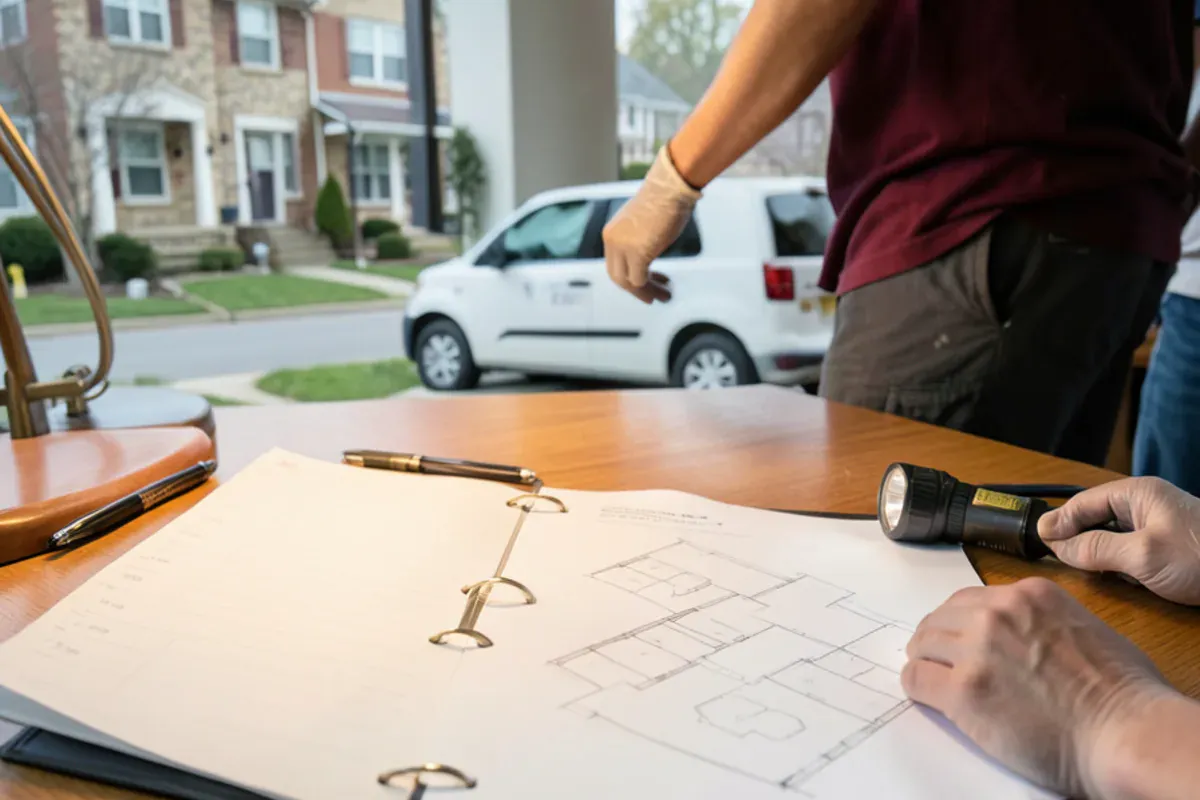
- Where monitoring devices go, shown on a numbered site map
- Who on your staff is responsible for sanitation, door sweeps and repairs
- How reports are delivered and how long records are kept
- The provider's Pennsylvania Department of Agriculture business license number
The pest log book: the binder inspectors ask for
A pest log book, paper or digital, is the program's memory. It typically holds the contract, the device map, product labels and safety data sheets for anything applied on site, every service report, and a sightings sheet your staff fills in when they see activity.
That last piece is easy to neglect. When a cook spots a roach near the dish machine at 10 p.m., a quick note with date, time and location gives the technician somewhere to start. Without it, the next visit begins with guesswork.
Keep the book where managers and the technician can reach it, and make sure a second person knows where it lives. Health inspections rarely happen on the day the usual manager is working.
What do good service reports actually say?
A service report should let someone who was not there understand what happened. Look for the date and time, areas inspected, devices checked and what was found in each, any products used with the amount and location, conditions noted, and recommendations for your staff.
Recommendations are where reports earn their keep. Lines such as a gap under the rear door, a floor drain with buildup or cardboard stacked against a wall in dry storage give you a to-do list that cuts pest pressure faster than any treatment can.
A routine commercial visit, start to finish
Once the program is running, each scheduled visit should follow a predictable pattern your managers can watch and check. If a technician arrives, sprays a baseboard and leaves in ten minutes, the visit did not do its job. A sound routine visit covers these points:
- A short check-in with the manager on duty and a look at the sightings sheet since the last visit.
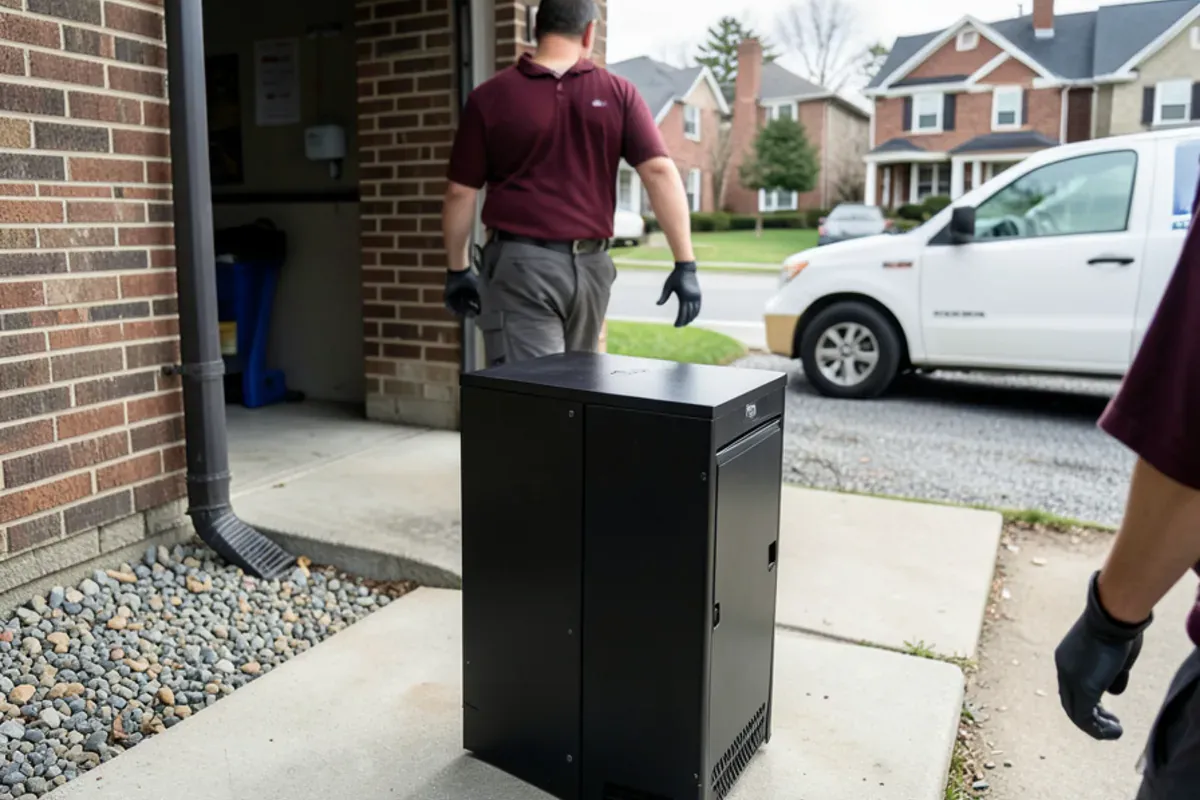
- Every monitoring device checked against the numbered map, with catches, bait condition and missing or moved devices recorded.
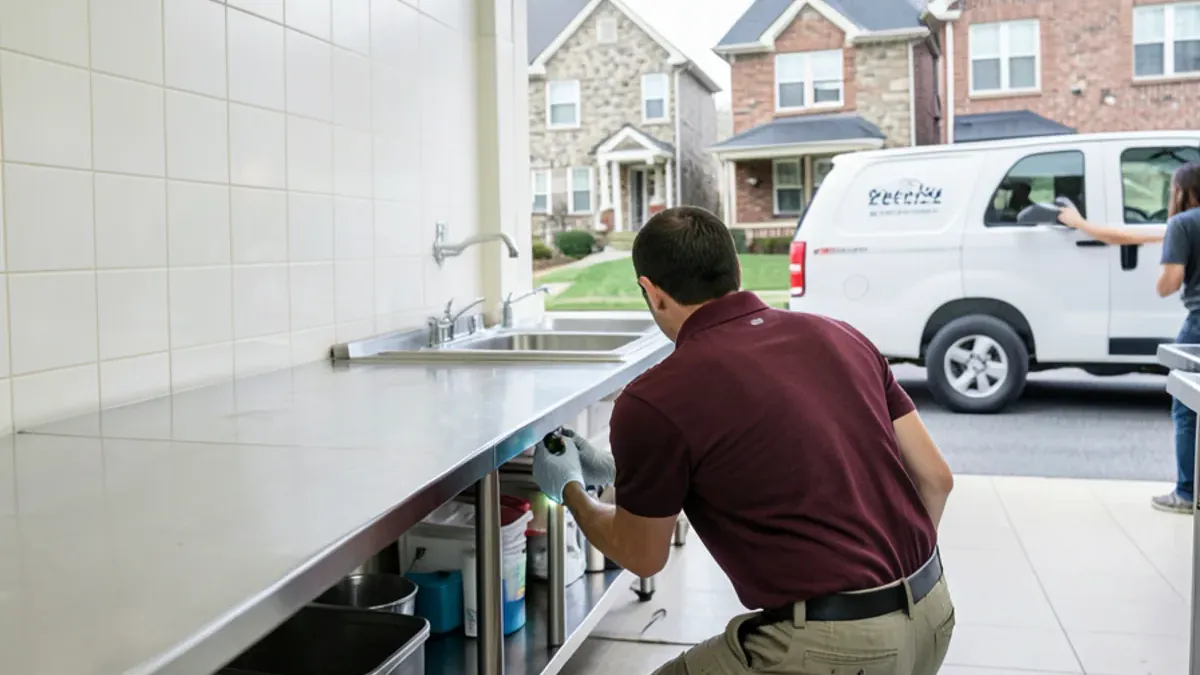
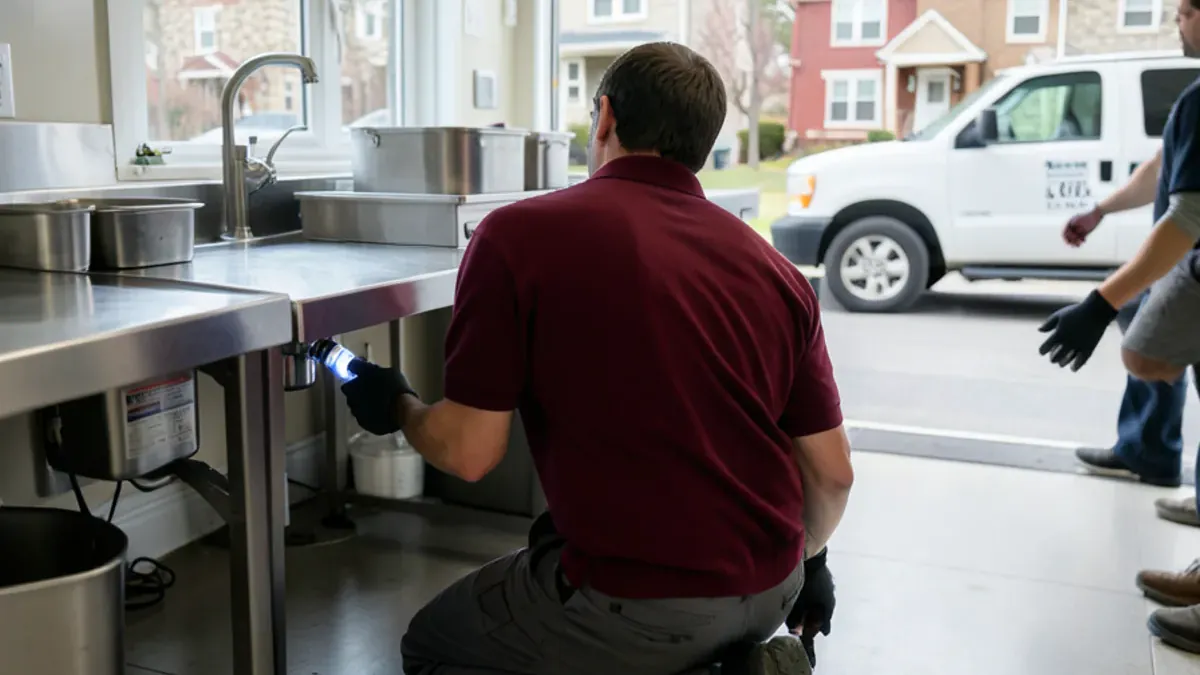
- A walk through the high-risk zones for that site: receiving, dry storage, dish and drain areas, trash rooms, break rooms and the exterior.
- Targeted treatment only where activity or conditions justify it, with the product, amount and location written down.
- New conditions noted for your staff, such as a torn door sweep, a leaking pipe or pallets stacked tight against a wall.
- A signed report left in the log book or sent the same day, and a quick debrief on anything that needs action before the next visit.
Trend reports and action thresholds
Single visits tell you about one day. Trends tell you whether the program is working. Ask how monitoring counts will be summarized over months, by device and by area, so a slow rise in one zone gets noticed before it becomes a complaint.
Thresholds turn those numbers into decisions. A food plant may treat any single stored-product insect in a finished-goods area as a trigger, while an office might accept a few occasional invaders in a perimeter trap. Agree on those lines in writing, along with what happens when one is crossed: added visits, a deeper inspection, or a change in method.
What are the warning signs in a commercial pest proposal?
Comparing proposals is easier when you know what a weak one looks like. Be cautious if the quote arrives before anyone has walked the building, or if a small office and a busy kitchen get the same visit frequency. A proposal with no device map, no mention of reports, or reports described only as "serviced" will leave you with nothing to show an inspector.
Also watch for a contract that renews automatically with no scheduled review, a scope that never says what is excluded, and a provider who cannot give you a Pennsylvania Department of Agriculture business license number when asked. Clear answers to those points tell you more about the program than the product list does.
Commercial exterminator checklist for the first 90 days
Walk-through
The provider inspects the whole site, including loading areas, mechanical rooms, drop ceilings and the exterior, and asks staff where they see activity.
Written plan
You receive a scope, visit schedule, device map and quote before any work starts.
Baseline visit
Monitoring devices go in, existing activity is treated where needed, and the first report documents the starting point.
Corrective list
Structural and sanitation fixes are assigned to the right people, with dates.
Review
After two or three months, compare trend data with the baseline and adjust frequency, device placement or thresholds.

What we notice at businesses across Delaware County
When we walk commercial properties in Delaware County, the problem areas tend to repeat. Strip-center units along Baltimore Pike and other busy corridors share walls and ceiling spaces, so a neighbor's issue can become yours. Older mixed-use buildings in borough centers often have shared basements and utility chases that connect one business to the next.
Restaurants usually struggle most at the back door, the dish area and grease-trap zones; our restaurant pest control page goes deeper on those. Apartment owners and managers deal with a different challenge: tenant reports that arrive late. For that setting, see property management pest control. Either way, we start with a free inspection and a written quote, then build the schedule around how the site actually runs.
Quick answers
How often should a commercial pest service visit?
It depends on the risk. Food-handling sites often need monthly or more frequent visits, while offices and retail spaces may do well with less. The right answer comes from the first inspection and from your trend data. If counts stay low for months at a Delaware County office, frequency can be revisited; if they rise, visits should increase.
Can a pest company keep my records digitally?
Many do, and digital records are easier to search during an audit. Whatever format you use, confirm that reports, device maps and product labels can be produced on site quickly. An inspector at a restaurant on a busy Friday will not wait while someone hunts for a login, so keep a printed copy of the essentials too.
Who is responsible when a pest problem traces back to sanitation?
Usually both sides have a role. The provider should document the condition clearly in the service report and recommend a fix, and your staff or landlord handles the cleanup or repair. Write that division of duties into the agreement so nobody is surprised when a recurring drain or dumpster issue keeps feeding flies or roaches.
How should we prepare for the first commercial pest inspection?
Gather what you already have: past service reports, any notes from a health inspection, and a short list of where staff have seen activity. Arrange access to every space, including locked storage, mechanical rooms, the roof hatch and shared basements, which older Delaware County mixed-use buildings often have. Have someone who knows the building and the delivery schedule walk along for the first hour.
The bottom line
A commercial program you can defend is one with a clear contract, a current log book, honest reports and thresholds everyone agreed to. If you manage a business or rental property in the area, call (209) 563-1650 to set up a free walk-through with Thom and his team.
Sources

Written by the No Bugs Exterminator team
A small, family-run pest control business in Media, PA, led by owner Thom. We write about what we see on inspections in Delaware County and southeastern Pennsylvania. About us.
Services mentioned in this guide
Want a professional opinion?
Book a free inspection and get a written quote before any treatment.
- ★ 4.8 from 21 Google reviews
- Open 7 days, 8 a.m. to 7 p.m.
- Free inspection before treatment
- Family-run, based in Media, PA
Open 7 days, 8 a.m. to 7 p.m.