Good property manager pest control comes down to two habits: answering every tenant complaint quickly and writing everything down. In multifamily buildings, pests rarely stay in the unit that reported them, so a slow response in one apartment becomes a building-wide problem a month later.
Why speed matters more in a multifamily building
Apartments and attached homes share plumbing chases, electrical runs, wall voids and hallways. German cockroaches, bed bugs and mice all use those connections. A tenant who waits two weeks for a response has given the problem two weeks to reach the neighbors, and now you are paying to treat a stack of units instead of one.
This is a daily reality in eastern Delaware County. Census (ACS) estimates put Upper Darby's renter-occupied share at 43 percent and its median home construction year at 1948, which means a lot of tenants living in older rowhomes, twins and walk-up buildings with shared walls. A fast response costs a manager very little and prevents more spread than any product can.
This guide lays out a complaint workflow you can hand to leasing staff on their first day.
What should a tenant pest complaint workflow look like?
Write the workflow once and use it for every complaint, whether it comes in by phone, portal or a note under the office door.
Log the complaint the day it arrives
Record unit, date, pest described, where it was seen and how long it has been happening. Ask for a photo if the tenant can take one.
Triage by pest type
Use the urgency table below so staff know which complaints need same-week action and which can wait for the next scheduled visit.
Schedule inspection, including neighbors
For roaches and bed bugs, inspect the units on each side, above and below. Give tenants written notice of entry according to the lease.
Send prep instructions
Tenants need clear prep steps before treatment, especially for bed bugs and roaches. Send them in writing and in the tenant's preferred language.
Treat and follow up
Book the follow-up visit at the same time as the first treatment so it does not slip.
Close the loop in the log
Note results, any tenant cooperation issues, and whether the complaint is resolved.
Triage: which complaints cannot wait?
Not every pest call needs the same urgency. This simple tier system helps leasing staff respond appropriately without calling a manager for every ant.
| Complaint | Spread risk | Suggested response |
|---|---|---|
| Bed bugs | High; moves through walls and on belongings | Inspect the unit and adjacent units within days |
| German cockroaches | High in shared-wall buildings | Inspect within the week; plan to check neighbors |
| Mice or rats inside units | Moderate to high; follow pipes between floors | Inspect within the week; check common areas and exterior |
| Stinging insect nest at an entry or play area | Safety concern for residents | Treat promptly; restrict access to the area |
| Ants, spiders, stink bugs | Low; usually seasonal | Address at the next scheduled service unless heavy |
Keeping a landlord pest log that holds up
A landlord pest log protects everyone. It shows a pattern of responsiveness if a dispute arises, and it shows your provider where the trouble keeps coming back. Keep it digital if you can, sorted by building and unit.
Each entry should include the complaint, the date you responded, the inspection findings, what was done, prep instructions sent, the follow-up date and the result. Attach the service report from every visit. Over a year, the log tells you which stacks or buildings need structural fixes such as sealing pipe chases, replacing door sweeps or moving dumpsters away from walls.
The pest clause in your lease and apartment pest policy
Leases often assign routine pest responsibility, and many spell out tenant duties such as reporting pests promptly, allowing access, following prep instructions and keeping units reasonably clean. Pennsylvania courts also recognize that residential tenants are entitled to a habitable home (Pugh v. Holmes, 1979), and serious infestations can raise habitability questions regardless of what the lease says.
A clear apartment pest policy, handed out at move-in, sets expectations before there is a problem. It should explain how to report pests, what the tenant must do to prepare, and what happens if prep is not done. This is general information, not legal advice; have a Pennsylvania attorney review your lease language.
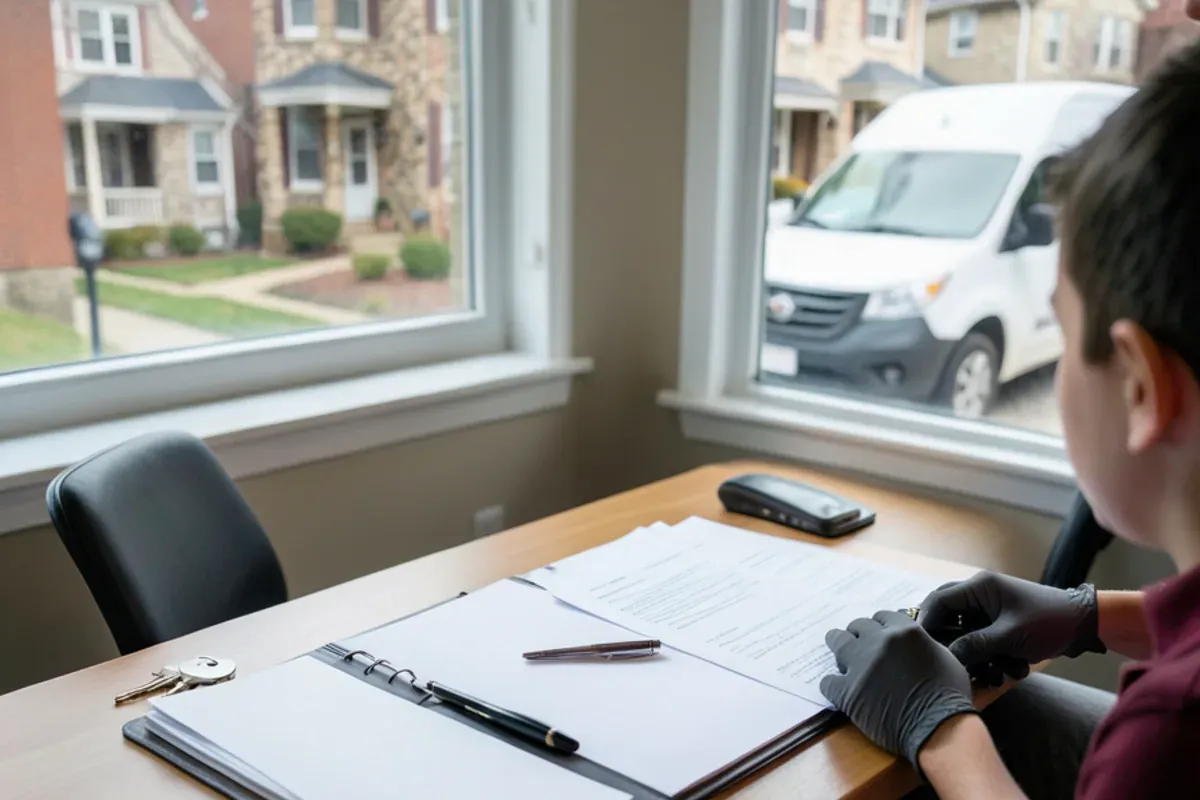
Property manager pest control as a plan, not a string of calls
Reactive service alone keeps you a step behind. A multifamily pest plan adds scheduled exterior service, routine checks of trash rooms, boiler rooms and laundry areas, and monitoring in units with past activity. That shrinks the number of complaints coming in, and the ones that do arrive are smaller.
Our property management pest control program is designed around that model, with written reports for each visit. For buildings with recurring bed bug calls, our bed bug treatment service includes inspection of neighboring units so treatment covers the full spread.
What rental buildings in eastern Delaware County teach us
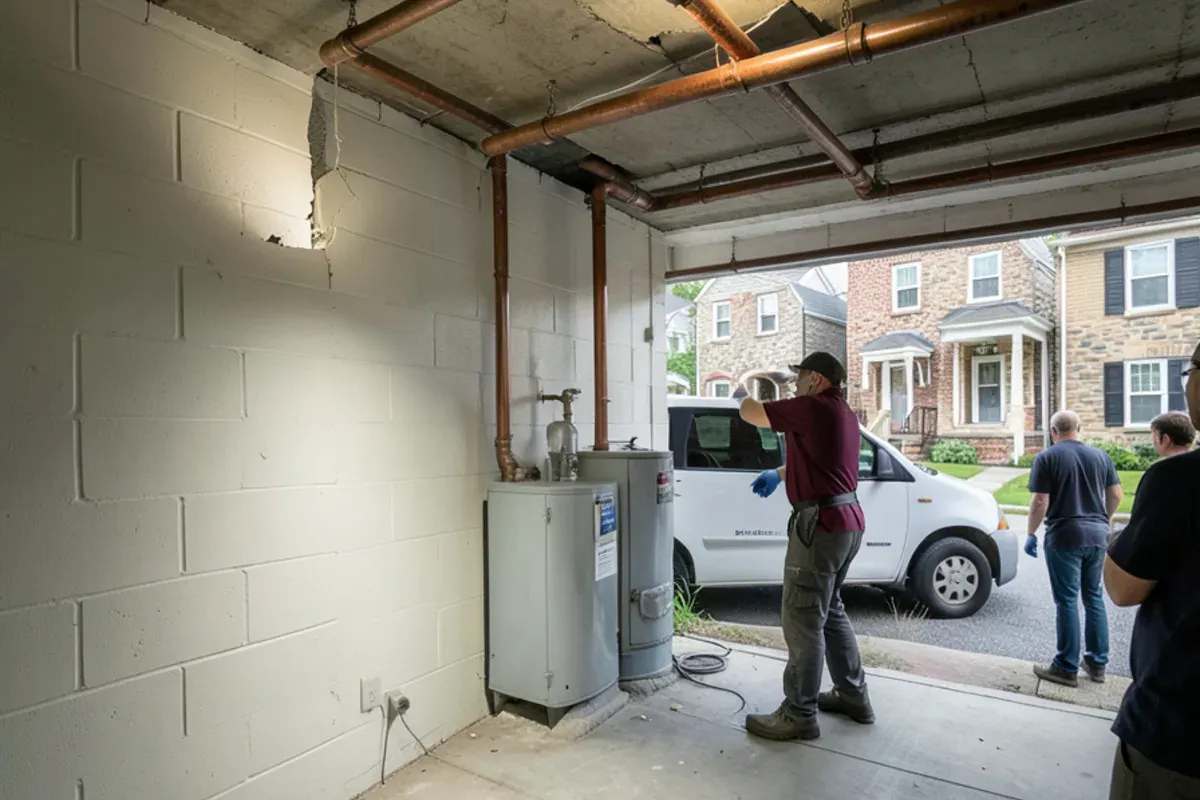
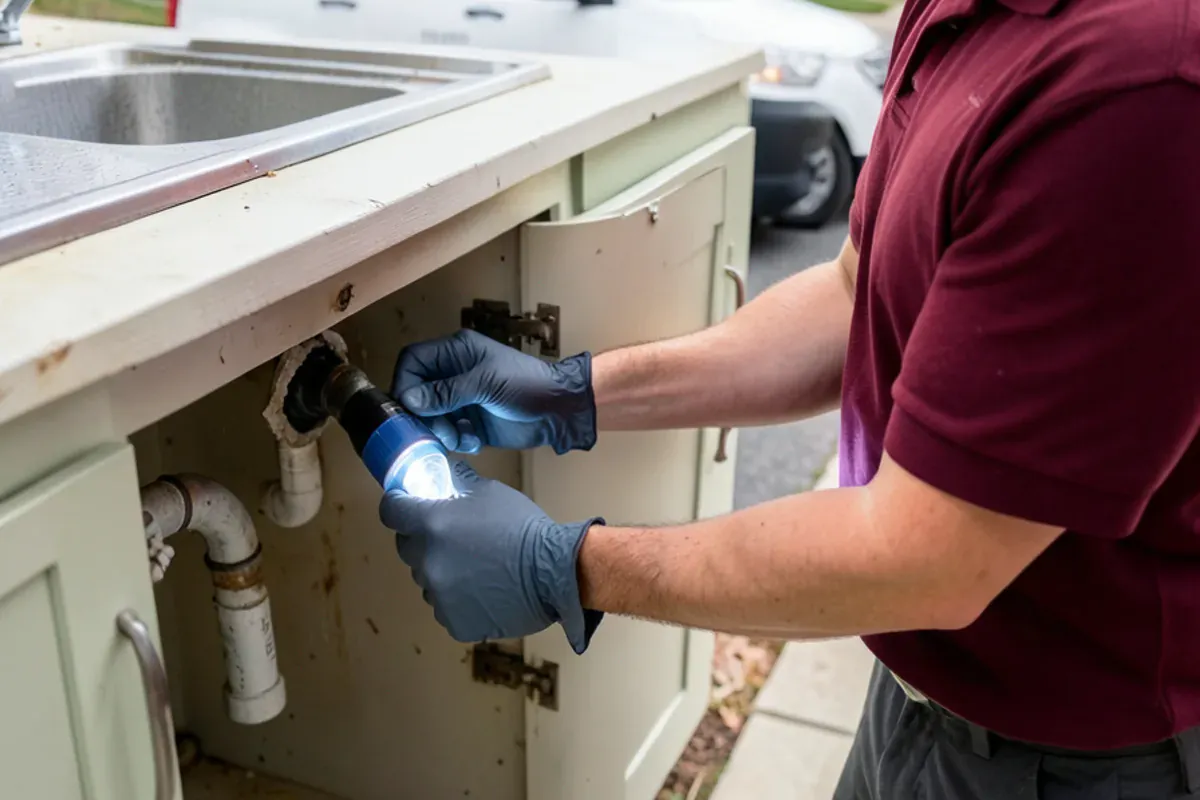
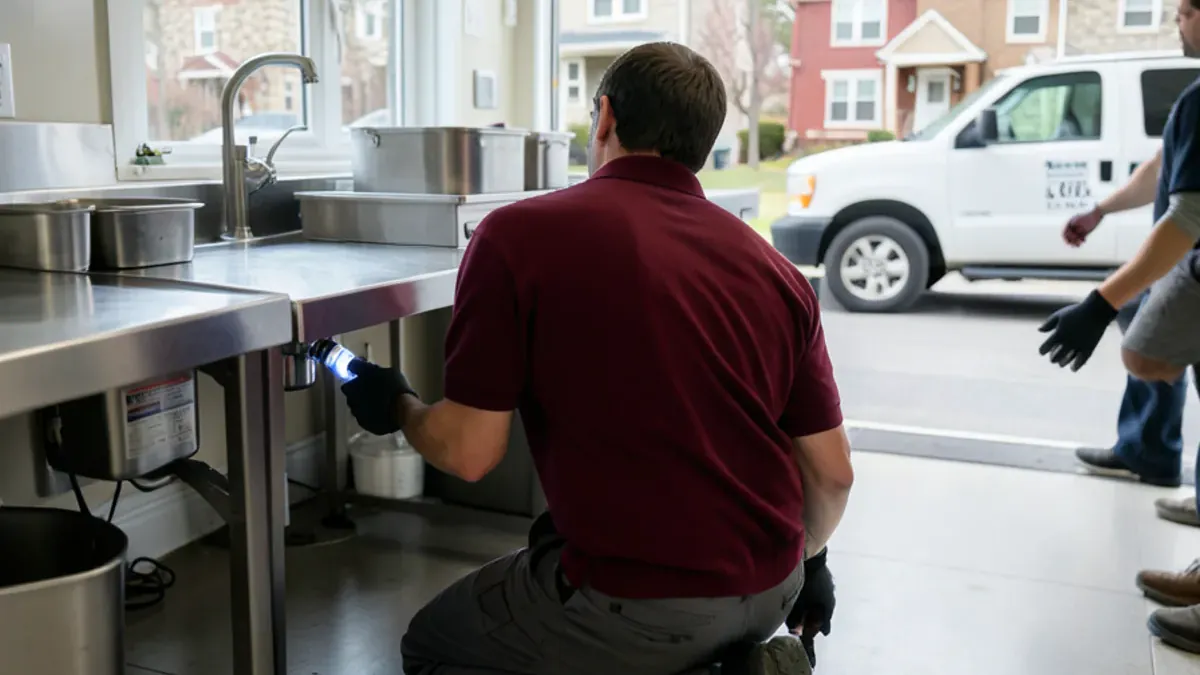
When we inspect older rental stock in Upper Darby Township and nearby boroughs, the biggest gaps are usually in basements and shared utility spaces rather than inside the units. Unsealed pipe penetrations under kitchen sinks and around radiator lines connect one apartment to the next.
The trade-off managers ask about most is whether to inspect the neighbors. Checking the units beside, above and below a roach or bed bug complaint means more entry notices and a longer first visit, and sometimes those units turn up clean. When they do not, finding the activity on day one usually saves a second and third round in the original unit. We also find that a tenant who set off a store-bought fogger before reporting has often pushed roaches into the next apartment, so we ask about that on every call.
We also see treatment fail most often where tenant prep was unclear. A one-page prep sheet, written plainly and delivered a few days ahead, does more for results than any change in product.
Quick answers
Who pays for pest control in a Pennsylvania rental?
It depends on the lease and the situation. Many leases make the landlord responsible for building-wide pests and structural entry points while asking tenants to keep units clean and report problems. Infestations that spread through shared walls in older twins and apartment buildings usually need the owner to coordinate treatment. This is general information, not legal advice; check your lease and consult an attorney.
How do we handle a tenant who will not prepare for treatment?
Start with clear written prep instructions and a reminder a day or two before the visit. If the unit still is not ready, document it in the log with photos and reschedule rather than treating a cluttered unit that will not respond well. Some managers arrange help for elderly or disabled tenants. Repeated refusals are a lease matter, so talk to your attorney.
Can you work with our maintenance team?
Yes. Many fixes, such as sealing pipe gaps, replacing door sweeps and repairing screens, are maintenance tasks, and we note them in each service report so your team knows exactly what to address. That split keeps service efficient. After a free inspection of your building, we put the recommended work and a visit schedule in a written quote.
Should we have vacant units inspected between tenants?
Yes, especially in buildings with a history of roaches or bed bugs. An empty unit is the easiest time to check: no furniture, no prep and full access to sink cabinets, closets and baseboards. Treating any activity before the next tenant moves in keeps a new lease from starting with a complaint. In older Upper Darby walk-ups, we also check the shared pipe chase while the unit is open.
The bottom line
Property manager pest control works when complaints get logged, triaged and closed out the same way every time. If you manage rental property in Delaware County or nearby and want a partner who reports back in writing, Thom and his team are open 7 days, 8 a.m. to 7 p.m. Explore our commercial pest control services to get started.
Sources
Written by the No Bugs Exterminator team
A small, family-run pest control business in Media, PA, led by owner Thom. We write about what we see on inspections in Delaware County and southeastern Pennsylvania. About us.
Services mentioned in this guide
Want a professional opinion?
Book a free inspection and get a written quote before any treatment.
- ★ 4.8 from 21 Google reviews
- Open 7 days, 8 a.m. to 7 p.m.
- Free inspection before treatment
- Family-run, based in Media, PA
Open 7 days, 8 a.m. to 7 p.m.