

Is quarterly pest control worth it? For a house that gets ants every spring, wasps and spiders all summer and mice every fall, usually yes, because each visit lands just ahead of the next seasonal wave. For a newer, well-sealed home that sees one pest a year, a single targeted treatment is often the smarter call.
A quick test: do I need regular pest control?
Before comparing plans, check your own house against the factors that drive repeat pest pressure in southeastern Pennsylvania. Count how many of these apply:
- You have dealt with the same pest two or more years running
- The house was built before about 1960, with stone or block foundations and settled mortar
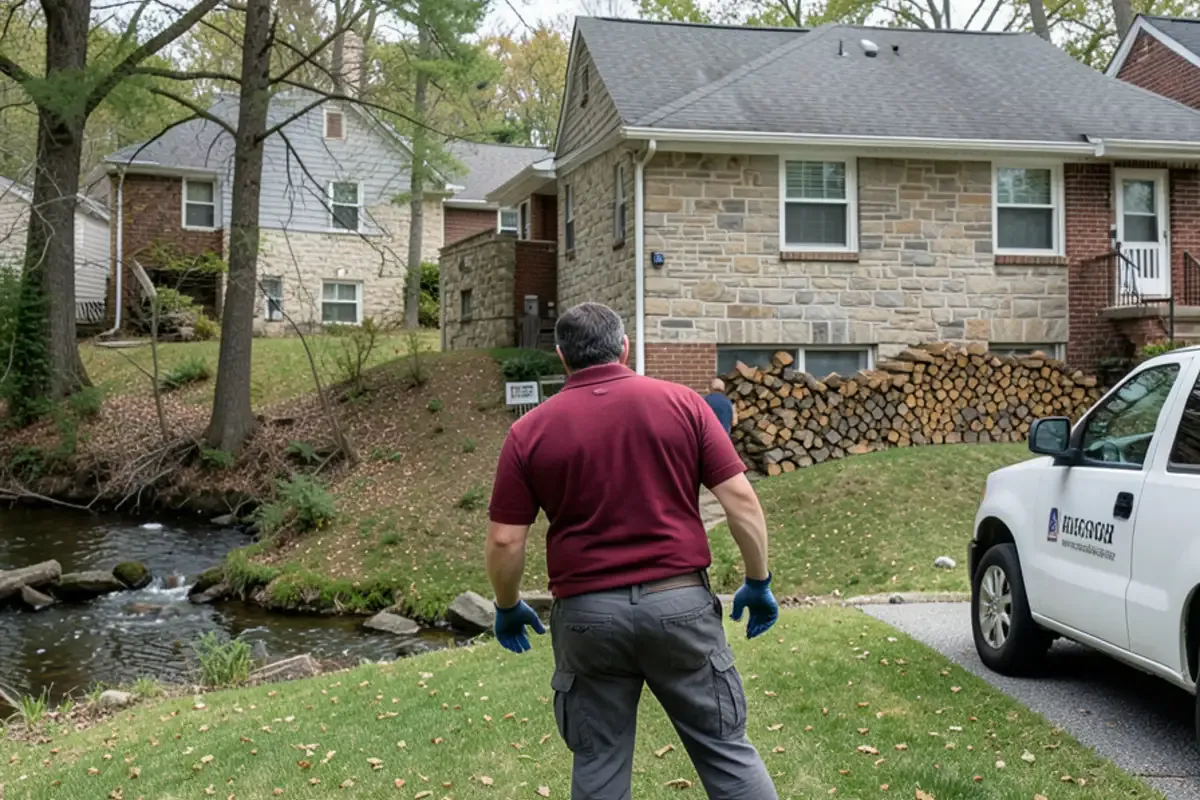
- Woods, a creek bank or deep mulch beds sit within a few feet of the foundation
- You share a wall with a neighbor in a twin or rowhome
- Someone at home reacts badly to stings or bites
- You would rather head problems off than react to them
Reading your score: is quarterly pest control worth it here?
Three or more checks point toward a recurring plan. One or none usually means you can deal with problems as they arise and call for help only when something gets past you.
Two checks is the gray zone. In that case, the deciding question is whether your past problems were the same pest in the same season. If ants came in through the same kitchen corner three Aprils in a row, prevention timed for March will likely save you a spring of frustration.
How often should pest control be done through a Pennsylvania year?
Quarterly is the common rhythm because our pests arrive in waves spaced about three months apart. A typical program follows the calendar like this:
Late winter to spring
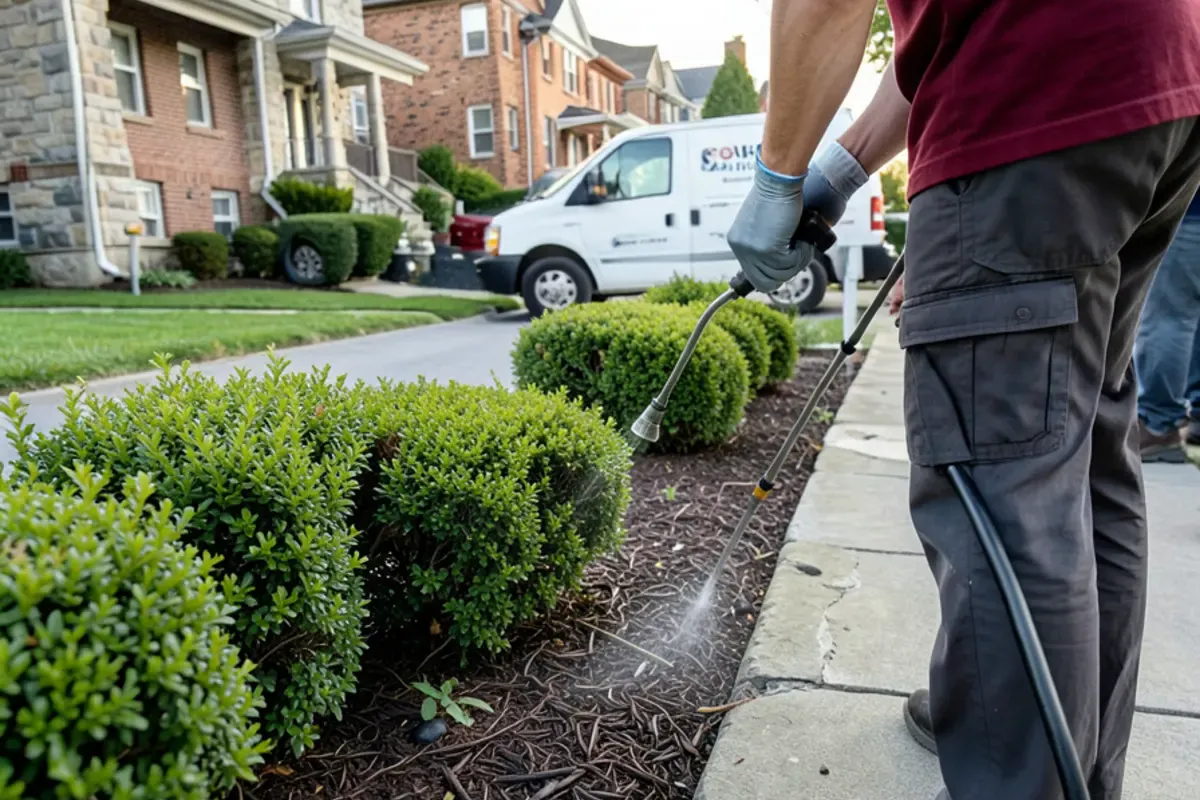
Exterior perimeter work as odorous house ants and carpenter ants wake up, and a look along the foundation for anything that calls for a closer termite inspection.
Early to mid summer
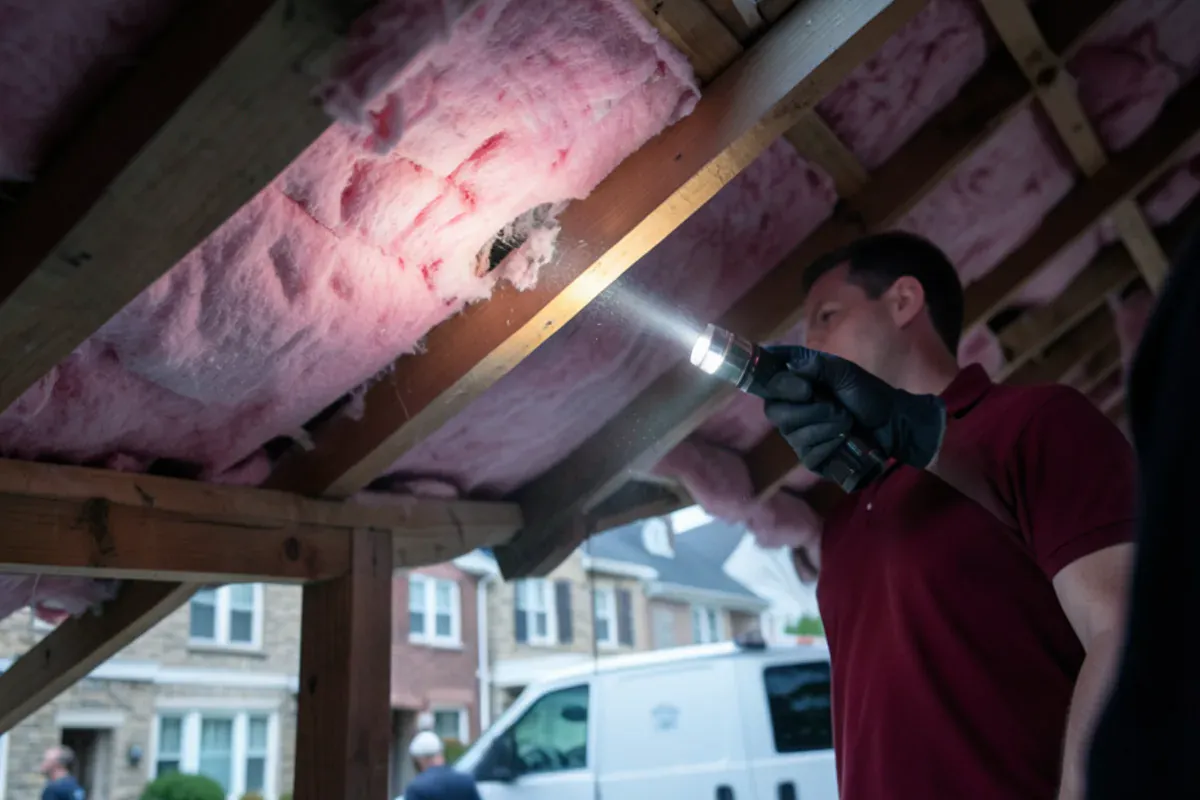
Wasp nests under eaves, railings and deck boards are dealt with while small, and webbing and cricket activity in basements gets attention.
Early fall
For many Delaware County homes the visit that matters most, timed before the first cold snaps send mice, stink bugs and boxelder bugs hunting for gaps at windows, vents and utility lines.
Winter
Interior focus: basements, attics and kitchens are checked for overwintering insects and any rodents that slipped in during the fall.
Quarterly vs one-time pest control, side by side
Monthly service appears in the comparison because people ask about it, but it is mainly a commercial schedule for kitchens and food facilities rather than houses.
| One-time treatment | Quarterly plan | Monthly service | |
|---|---|---|---|
| Fits | A single pest with a clear cause | Homes with recurring seasonal pests | Restaurants, food handling and heavy-pressure sites |
| Visits per year | One, plus any follow-up listed in the quote | Four, spaced with the seasons | Twelve |
| Main goal | End a current problem | Keep the next wave from settling in | Meet strict sanitation and audit expectations |
| How you judge success | The pest is gone | Fewer sightings each year | Logged activity and corrective actions |
| Common in houses? | Yes | Yes | Rarely |
Why older Delaware County houses lean toward a plan
The county's median home dates to 1957 according to Census (ACS) figures, and the eastern boroughs run older still. Houses of that era have sill plates that have shrunk away from stone, mortar joints with hairline gaps, and utility lines added long after construction through hand-cut holes. Each one is a doorway for a mouse or an ant colony.
Terrain adds pressure too. Homes backing onto Crum, Ridley or Darby creeks see more moisture-loving pests, and wooded lots feed carpenter ants and spiders. We see the pattern across Delaware County: the older the house and the closer the trees or water, the stronger the case for regular service.
When is a pest control plan not good value?
A plan is not the answer for every home. A newer house with tight construction, little landscaping against the walls and no history of problems may go years without needing anything. A condo whose association already treats the exterior may only need help inside.
Some pests also fall outside what a general plan is designed to handle. Bed bugs, an active termite colony or a heavy German cockroach population each need a specific treatment, and paying for routine visits will not replace that. For a single problem like those, start with a one-time pest treatment and decide about ongoing service afterward.
Questions to ask before signing any plan
Ask what each visit includes, whether interior treatment is part of it or only on request, and what happens if pests show up between scheduled visits. Ask for any re-treat or warranty terms in writing, whoever you hire, and ask for the company's Pennsylvania Department of Agriculture business license number.
Finally, ask how the visits are timed. A plan that puts the fall visit after the first hard freeze has already missed the mice. You can read how we lay out our own quarterly pest control plans and compare.
The seasonal rhythm we track across Delco
When we look back over a year of calls, the same cycle repeats: ant calls climb with the first warm weeks, wasp calls build through late summer, and mouse calls start the week overnight lows near freezing. Homes on a regular schedule tend to call us less during those spikes, because the entry points were handled a few weeks earlier.
The visit homeowners are most tempted to skip is winter, since little is moving outside. That interior check is often where we catch a mouse trail in an attic or a quiet cockroach start behind a refrigerator before it becomes a spring problem.
We are also candid when a plan is more than a house needs. Newer subdivisions, such as the 1990s streets of Edgmont Township, often have tight sills, modern vent screens and little mulch against the siding; those homes may do fine with one well-timed fall visit and calls as needed. The trade-off of skipping a plan is that you react instead of prevent, which works when problems are rare and mild and less well when the same pest returns every year.
Quick answers
Monthly vs quarterly pest control: which makes sense for a house?
Quarterly, for nearly every house. Residential pests follow the seasons, so four well-timed visits cover the shifts from ants to wasps to mice to overwintering insects. Monthly schedules suit restaurants and food facilities where inspectors expect frequent records. If a house seems to need monthly attention, that usually points to an untreated source, such as German cockroaches, that needs a focused treatment first.
Is quarterly service still worth it if I only see bugs in the fall?
Maybe not. If your only problem is stink bugs, lady beetles or mice arriving as nights turn cold, a single late-summer visit that seals and treats entry points may be enough. Track what you see for a year. If ants or wasps start showing up in spring and summer as well, a recurring plan becomes easier to justify.
Can I start a plan in the middle of the year?
Yes. The first visit simply becomes the starting point, and it usually includes a more thorough inspection and treatment to clear whatever is active right now. Later visits then fall back into the seasonal pattern. Starting in late summer is common, because it puts a treatment in place just before the fall rodent push.
What if pests show up between quarterly visits?
Call and describe what you are seeing. Whether an extra visit between scheduled ones is covered depends on the written terms of the plan, so read that part before signing with any provider. A few sightings in the first weeks are common, since the first treatment is still working through ant colonies and sealed gaps take time to show results. Steady activity after that deserves a closer look.
The bottom line
Quarterly pest control earns its keep in older homes, wooded or creekside lots and houses with a repeat pest history, and it is often unnecessary in newer, tightly built ones. If you would like a second opinion on where your house falls, we are glad to take a look and give you a written quote either way.
Sources
Written by the No Bugs Exterminator team
A small, family-run pest control business in Media, PA, led by owner Thom. We write about what we see on inspections in Delaware County and southeastern Pennsylvania. About us.
Services mentioned in this guide


Want a professional opinion?
Book a free inspection and get a written quote before any treatment.
- ★ 4.8 from 21 Google reviews
- Open 7 days, 8 a.m. to 7 p.m.
- Free inspection before treatment
- Family-run, based in Media, PA
Open 7 days, 8 a.m. to 7 p.m.