

Fall pest prevention in PA is a race against the calendar: stink bugs, boxelder bugs, lady beetles and mice all start looking for a winter shelter as the nights cool, and the gaps you close in September decide how many end up in your walls by December. This checklist splits the season into three months so each weekend has a clear job, with notes on the overwintering pests we see most in southeastern Pennsylvania.
Which pests head indoors during a southeastern PA fall?
Most fall invaders are not after food. They want a protected spot to wait out the cold, and the inside of a sunny wall or an attic is ideal. That is why they gather on the warm south and west sides of a house before slipping in through small cracks.
| Pest | When you notice it | Where it gathers | Main fix |
|---|---|---|---|
| Brown marmorated stink bug | Late September into October | Sunny siding, window frames, attic | Seal window and siding gaps, repair screens |
| Boxelder bug | Warm days from September on | South-facing walls near boxelder and maple trees | Seal gaps, rake seed pods, perimeter treatment |
| Multicolored Asian lady beetle | October, often after a cool snap | Light-colored walls, window corners | Seal gaps around windows and trim |
| Cluster fly | Fall and warm winter days | Attic windows, upper rooms | Screen attic vents, seal eaves |
| House mouse | As nights drop toward freezing | Garage, basement, kitchen walls | Close openings, store food and seed in bins |
September: start fall pest prevention while it is still mild
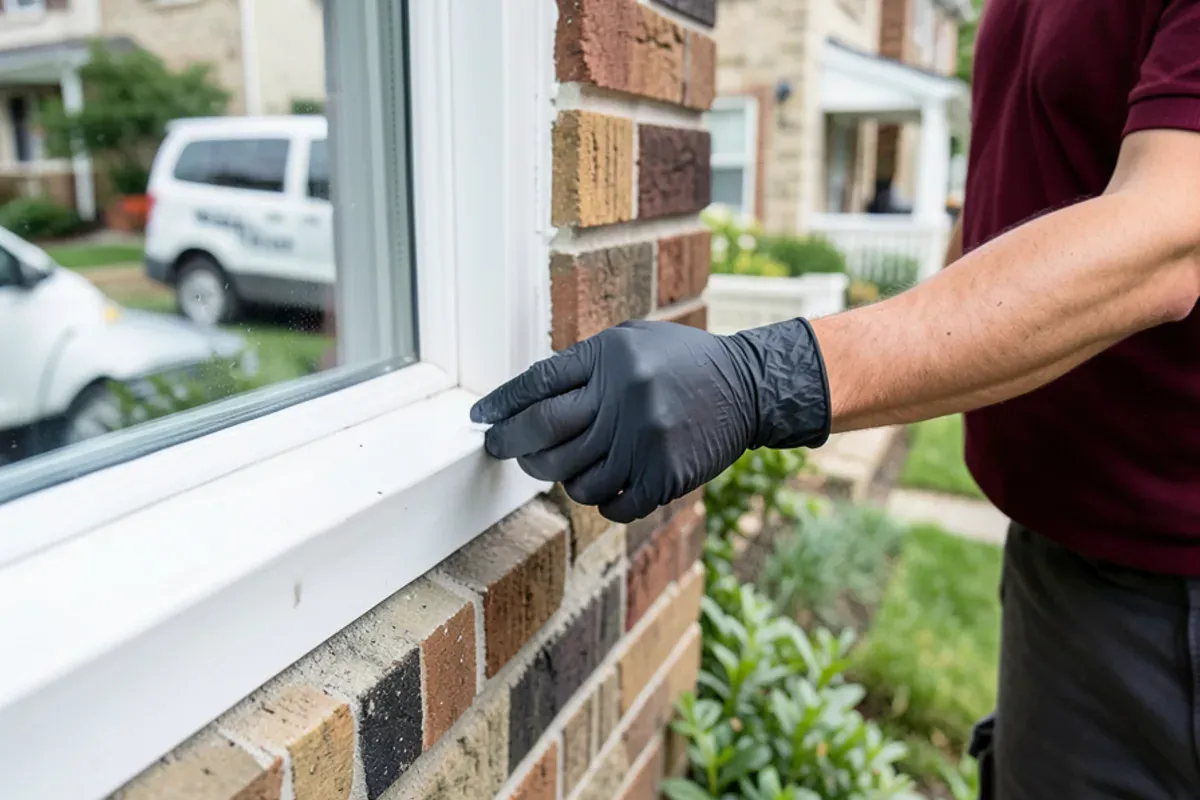
Early fall is the ideal window for sealing work. Caulk and mortar cure well in dry, mild weather, and the insects have not started massing on the walls yet.
- Walk the house with a flashlight and mark gaps around window frames, siding joints, soffits and utility lines.
- Seal cracks before winter with a quality exterior caulk; pack larger holes around pipes with copper mesh first.
- Repair or replace torn window and door screens, and check that attic and gable vents are screened.
- Install or replace door sweeps, including on the door between the garage and the house.
- Trim branches that touch the roof or siding, since stink bugs and squirrels both use them as bridges.
October: stink bugs, lady beetles and boxelder bugs on sunny walls
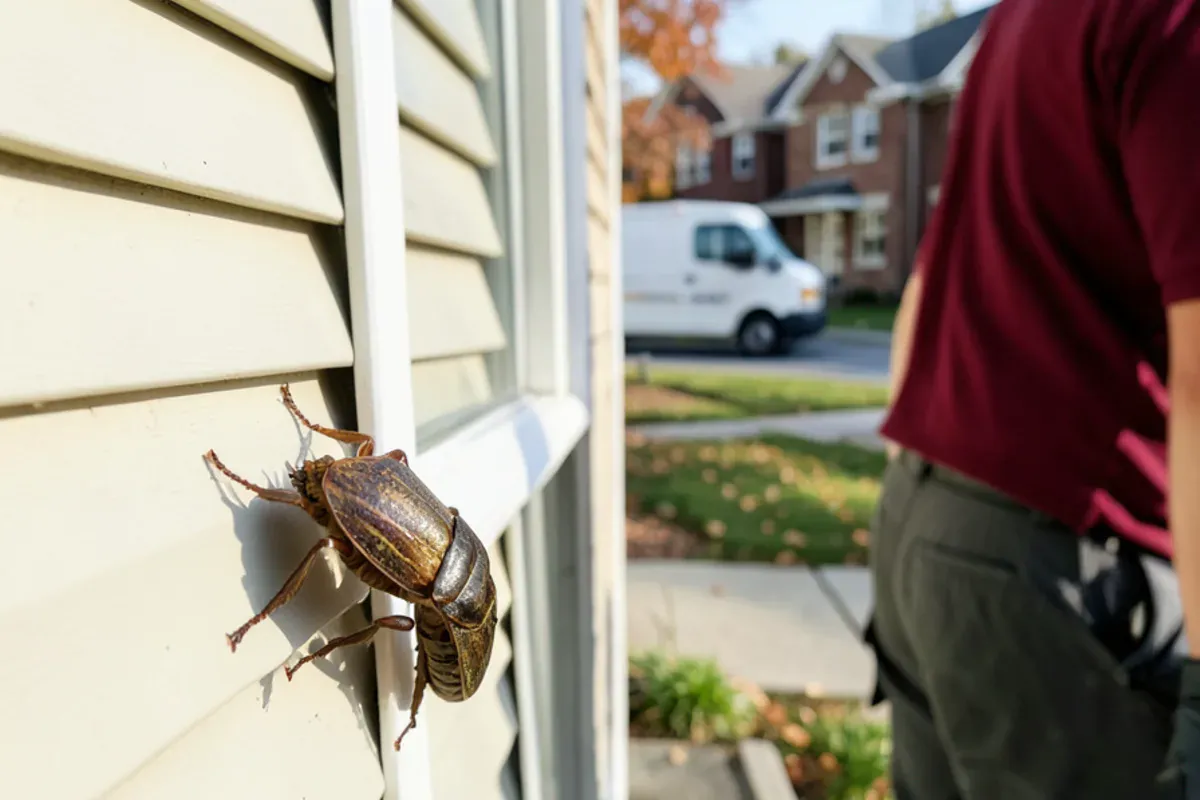
By October you may see dozens of insects warming on the siding on a bright afternoon. Brown marmorated stink bugs were first recorded in the United States near Allentown in the late 1990s, and they have been a regular fall nuisance across the region ever since. Boxelder bugs cluster near female boxelder trees and maples, and lady beetles favor pale walls.
Our stink bug control and boxelder bug and lady beetle control pages explain the exterior treatments that help when sealing alone is not enough.
- Check the sunny sides of the house each week and note where insects gather; that points to the gaps they are using.
- Rake and bag maple and boxelder seed pods near the foundation.
- Look for spotted lanternfly egg masses on trees, stone walls, outdoor furniture and vehicles; all five of our counties sit inside the state quarantine, so scrape them into alcohol or a sealed bag.
- Keep exterior lights near doors off when you can, or switch to yellow bulbs, which draw fewer insects.
November: mice in fall and the last outdoor chores
As nights approach freezing, rodents become the main concern. A house mouse can slip through a gap about 1/4 inch wide, and once inside it nests in insulation, behind appliances or in stored boxes. If you are already hearing scratching, our rodent control section explains what to do next.
- Move birdseed, grass seed and pet food into metal or heavy plastic bins.
- Stack firewood well away from the house, and bring in only a day or two's supply at a time.
- Clean gutters after the leaves drop so water does not soak the fascia and draw insects into the roofline.
- Clear cardboard and clutter from the garage floor, where mice like to nest.
- Store outdoor cushions and furniture covers dry; folded fabric makes an easy nest.
Cluster flies and other attic invaders: what to check up top
The attic gets less attention than the siding, but it is where many overwintering insects end up. Cluster flies are a good example: larger and slower than house flies, they develop in lawns as parasites of earthworms, then crowd into attics in fall and buzz at upstairs windows on warm winter days. They come from the yard, not from trash or anything dirty in the house.
Pick a sunny October afternoon, go up with a flashlight, and look for daylight or insect clusters at these spots:
- Gable vent and attic fan louvers, which need intact fine screening behind them.
- The ridge vent and the soffit panels just below it, where loose sections leave a gap.
- Where the chimney passes through the roof deck, plus a cap on top that keeps out birds and squirrels.
- Attic windows and their frames, which often have the oldest, most cracked glazing in the house.
- Recessed lights and bath fan housings below, which connect the attic to living space.
What should you do with overwintering pests that already got in?
Some insects will get past even a careful sealing job. Handle them calmly; stink bugs, boxelder bugs and lady beetles do not breed indoors over winter or damage the house.
Vacuum, do not crush
Crushed stink bugs and lady beetles release odor and can stain. Use a vacuum with a bag you can seal and throw away.
Skip the wall sprays
Insects that die inside wall voids can feed carpet beetles. Interior spraying is rarely the answer.
Seal from the inside
Caulk gaps around window trim, baseboards, ceiling fixtures and outlet covers on exterior walls, where insects find their way into rooms.
Note the warm-day surge
On sunny winter days, hidden insects become active and wander toward windows. Mark where they appear so you can seal outside next September.
Fall patterns we see across Delaware County
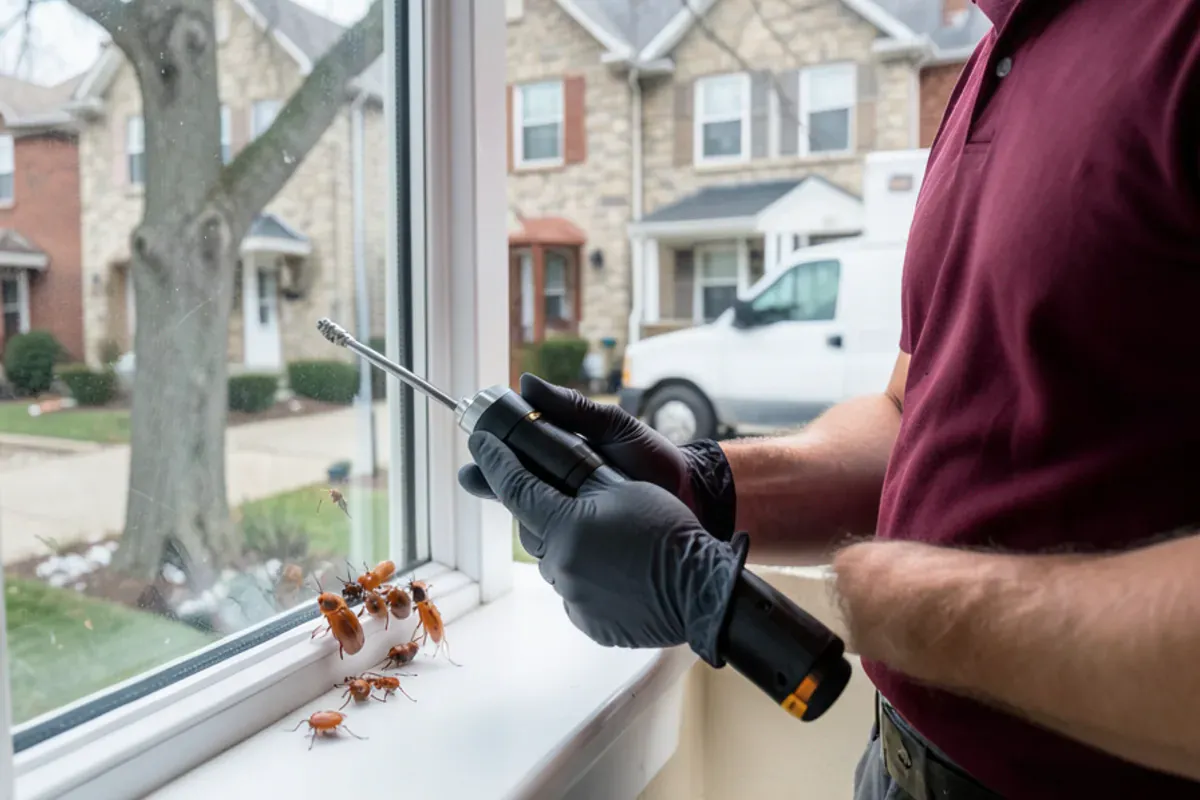
When we inspect homes in October, the worst stink bug and lady beetle problems usually trace to the same few spots: gaps behind window trim on south-facing walls, loose soffit panels and unscreened attic vents. Older stone and brick homes with many window openings tend to have the most entry points to chase.
Mouse calls climb sharply once the first cold nights arrive, and the garage is the most common way in. Our Delaware County pest control page explains how fall pest control and inspections work across the county.
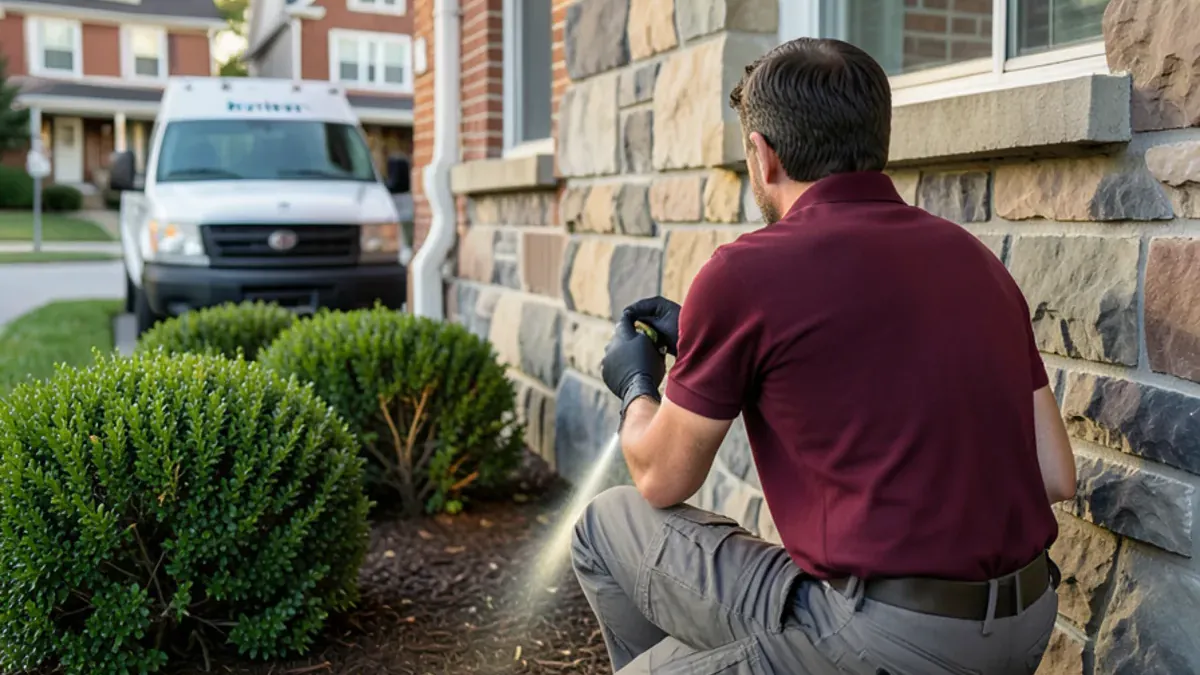
Older stone and brick homes present a trade-off we talk through on fall visits. Deep masonry window openings and rough stone leave gaps that caulk does not bridge well, and repointing mortar is mason's work that belongs in the spring or early fall, not a rushed November weekend. When the exterior cannot be sealed in time, the realistic fallback is sealing inside: window casings, baseboards on outside walls, and the gaps around ceiling fixtures, so insects stay in the wall instead of reaching the bedroom. We usually recommend working the south and west faces first, since those walls collect the heaviest clusters, and leaving the shaded north side for later.
Quick answers
Is it too late to seal my house if stink bugs are already on the walls?
No. Sealing still cuts the number that get inside, even in mid-October. Focus on the sunny sides first, where insects are gathering, and work on window trim, siding joints and attic vents. Insects already inside will need to be vacuumed through winter, and next year the sealing can start in early September, before the fall surge.
Does a fall exterior treatment replace sealing?
No, the two work together. A treatment on the sunny walls, eaves and window frames reduces how many insects survive long enough to find a gap, while sealing closes the gaps themselves. When we treat in fall, we time it to the start of clustering, and we point out the openings we see so you can seal them too.
Why do lady beetles bite and leave yellow stains?
The multicolored Asian lady beetle that crowds into homes in fall can give a small pinch when it lands on skin, though it rarely breaks the surface. When disturbed, it releases a yellow, bad-smelling fluid from its leg joints as a defense, and that fluid can stain light walls, curtains and fabric. Vacuum them gently instead of sweeping or swatting.
Should I leave fall leaves on the lawn or rake them away from the house?
Rake them away from the house, at least. Thick leaf piles against the foundation hold moisture and shelter overwintering insects, mice and ticks right beside the walls. Shredding leaves with the mower and leaving them thin on the open lawn is fine, and in wooded parts of Delaware County, keep the strip along the lawn edge clear too.
The bottom line
Split the work across September, October and November, and the fall surge becomes a handful of stray insects instead of a winter-long nuisance. If you would like help with sealing priorities or an exterior treatment, call (209) 563-1650 for a free inspection.
Sources
Written by the No Bugs Exterminator team
A small, family-run pest control business in Media, PA, led by owner Thom. We write about what we see on inspections in Delaware County and southeastern Pennsylvania. About us.
Services mentioned in this guide

Want a professional opinion?
Book a free inspection and get a written quote before any treatment.
- ★ 4.8 from 21 Google reviews
- Open 7 days, 8 a.m. to 7 p.m.
- Free inspection before treatment
- Family-run, based in Media, PA
Open 7 days, 8 a.m. to 7 p.m.