
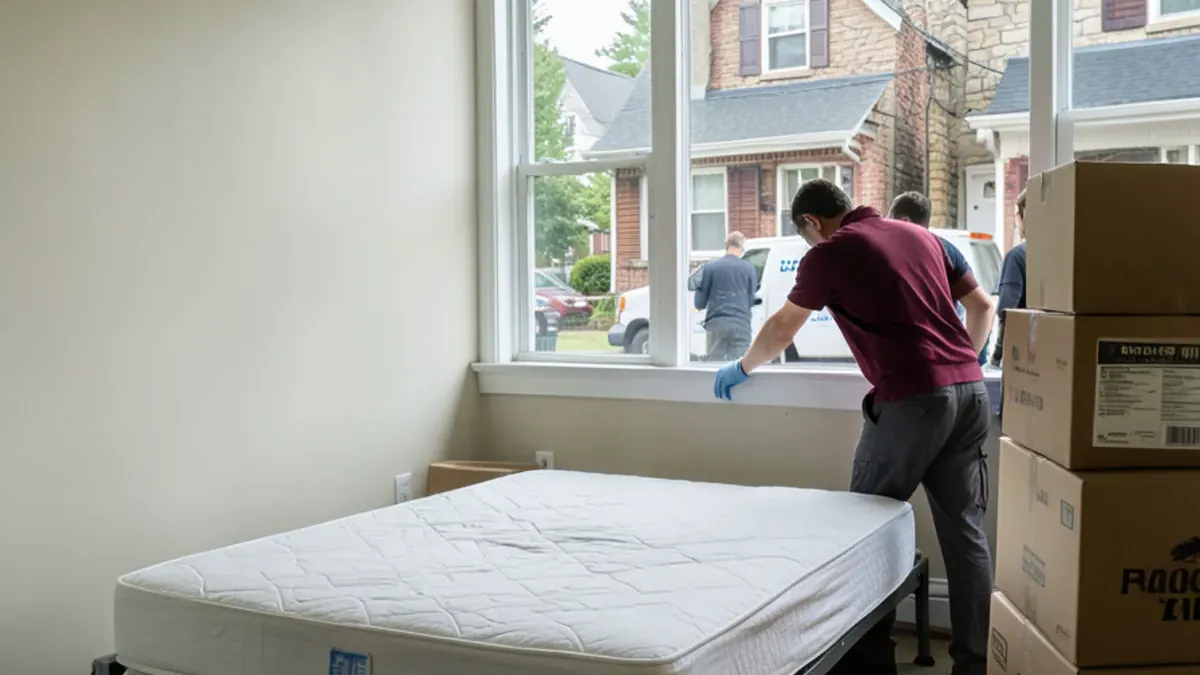
Bed bugs in college housing in PA follow the academic calendar: they arrive in suitcases and secondhand furniture in late August, spread through shared buildings over the semester, and travel to the next address when everyone moves out in May. Around Swarthmore College, Widener University in Chester and the other campuses in Delaware County, that cycle repeats every year. A few habits from students and a solid turnover routine from landlords break it.
Why student housing bed bugs spread so quickly
Bed bugs do not care whether a building is old or new, clean or cluttered. They need people to feed on and places to hide close to where people sleep. Student housing supplies both, plus three conditions that speed things up: constant turnover, furniture that moves from one apartment to the next, and lots of overnight guests and travel.
Delaware County also has a large rental market. Census (ACS) estimates show about 60 percent of homes in Chester, where Widener is located, are renter-occupied, and off-campus houses near several colleges are often split into multiple units. Bed bugs that reach one unit can move through shared walls, hallways and laundry rooms to the next.
Move-in week checklist for students
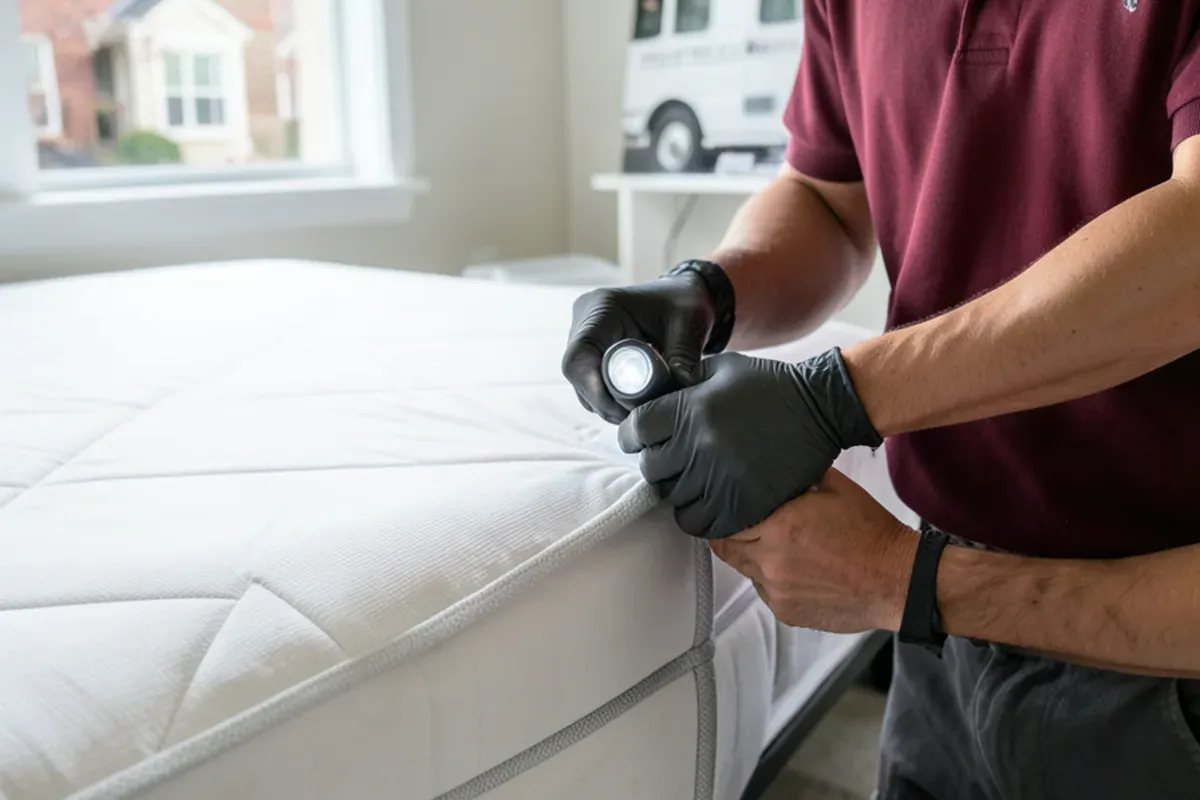
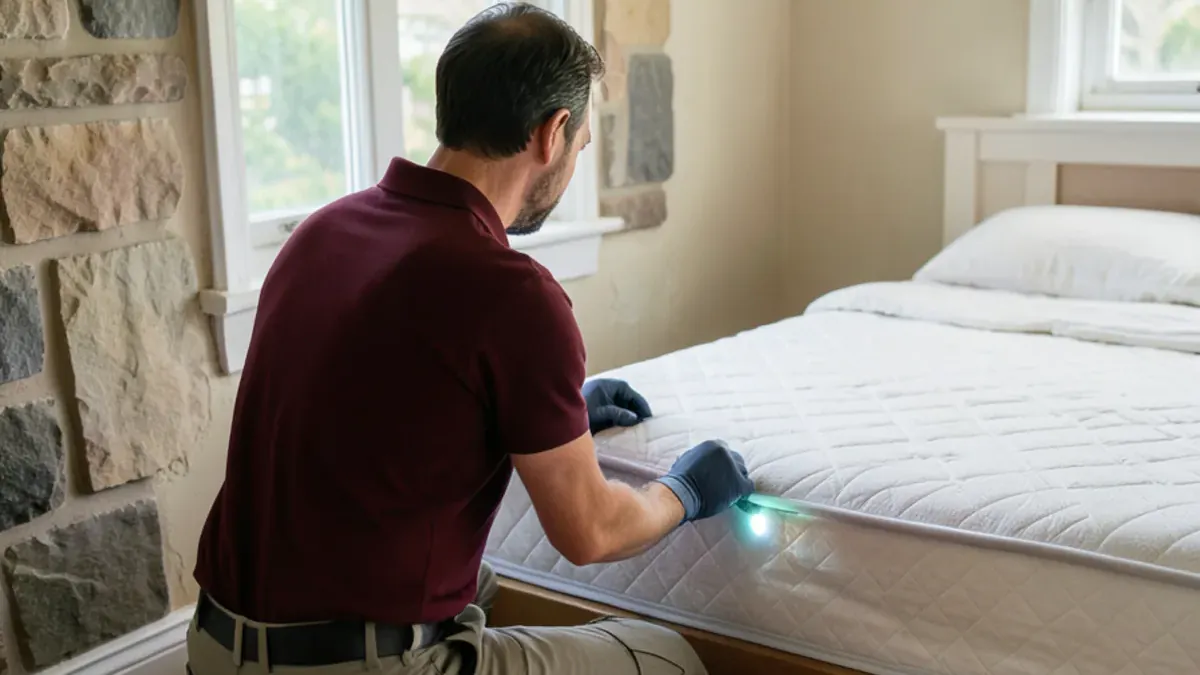
Ten minutes of checking before you unpack can save a semester of trouble. Bring a flashlight and look for small dark spots, shed skins and live bugs about the size of an apple seed.
- Pull back the sheets and check mattress seams, tags and corners, plus the box spring or platform frame
- Look along headboards, bed rails and the joints of any upholstered furniture
- Keep luggage on a hard floor or in the bathtub, away from the bed, until you have checked the room
- Put a zippered bed bug encasement on the mattress and box spring as soon as you know the bed is clean
- Never take a mattress, couch or upholstered chair left on a curb or in a dorm hallway
- Run clothes and bedding from home through a hot dryer cycle before you put them away
Do itchy bites mean you have bed bugs?
Not on their own. Mosquitoes, fleas, mites, hives and laundry detergent can all leave red welts, and many people bitten by bed bugs never react at all, so one roommate can be covered while the other sleeps unmarked. A rash alone is not enough to report, treat or throw out a mattress.
Physical evidence settles it. Look for black dots along mattress piping that smear like ink when wiped with a damp tissue, pale shed skins, pinhead-size white eggs in seams, and the bugs themselves. Pitfall interceptor cups placed under each bed leg catch bugs climbing up overnight and give you something concrete to photograph for housing staff or a landlord.
Dorm bed bugs vs off-campus rentals: who do you call?
If you live in a residence hall, report suspected bed bugs to your college's housing or facilities office right away. Colleges run their own pest programs and need to check neighboring rooms; treating your room yourself can scatter bugs to other students.
Off campus, tell your landlord in writing as soon as you suspect a problem, and include photos. Since Pugh v. Holmes (1979), Pennsylvania courts have read an implied warranty of habitability into residential leases, and many student leases also say who arranges pest treatment. In a multi-unit house, the landlord usually has to coordinate access to other units anyway. This is general information, not legal advice.
Bed bugs moving out: the May problem
End of semester is when bed bugs travel most. Students pack in a rush, furniture gets handed down to friends or dragged to the curb, and bags sit in shared hallways for days. If there was any activity during the year, May is when it spreads to a new address.
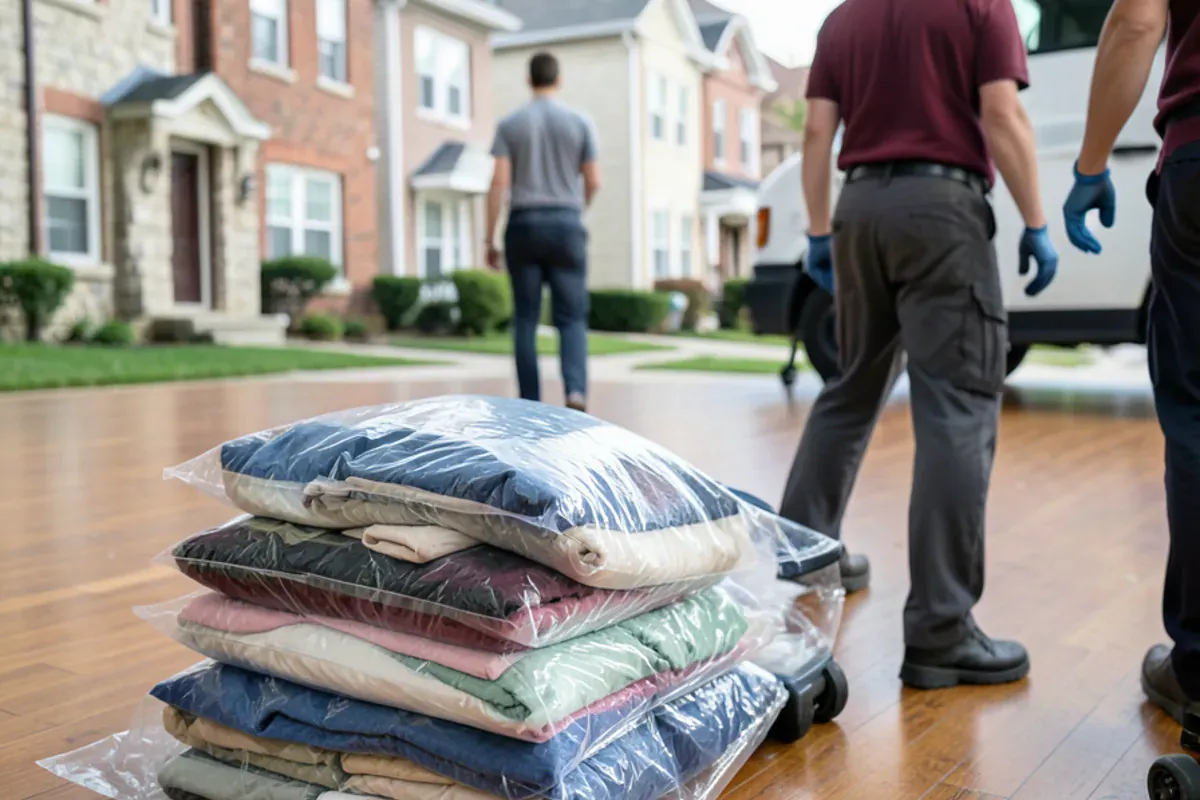
Before packing, wash and dry all bedding and clothing on high heat and pack them in sealed plastic bags. Inspect any furniture you plan to keep. Anything you are throwing out that may be infested should be bagged or clearly marked so nobody else picks it up.
Laundry rooms, lounges and other shared spaces
Common areas carry bugs between rooms that never share a wall. Carry dirty clothes to the laundry room in a sealed plastic bag, move them straight into the machine, and fold clean laundry back at your own room rather than on a shared table. A full high-heat dryer cycle of about thirty minutes kills bed bugs and eggs in dry fabric; washing alone may not.
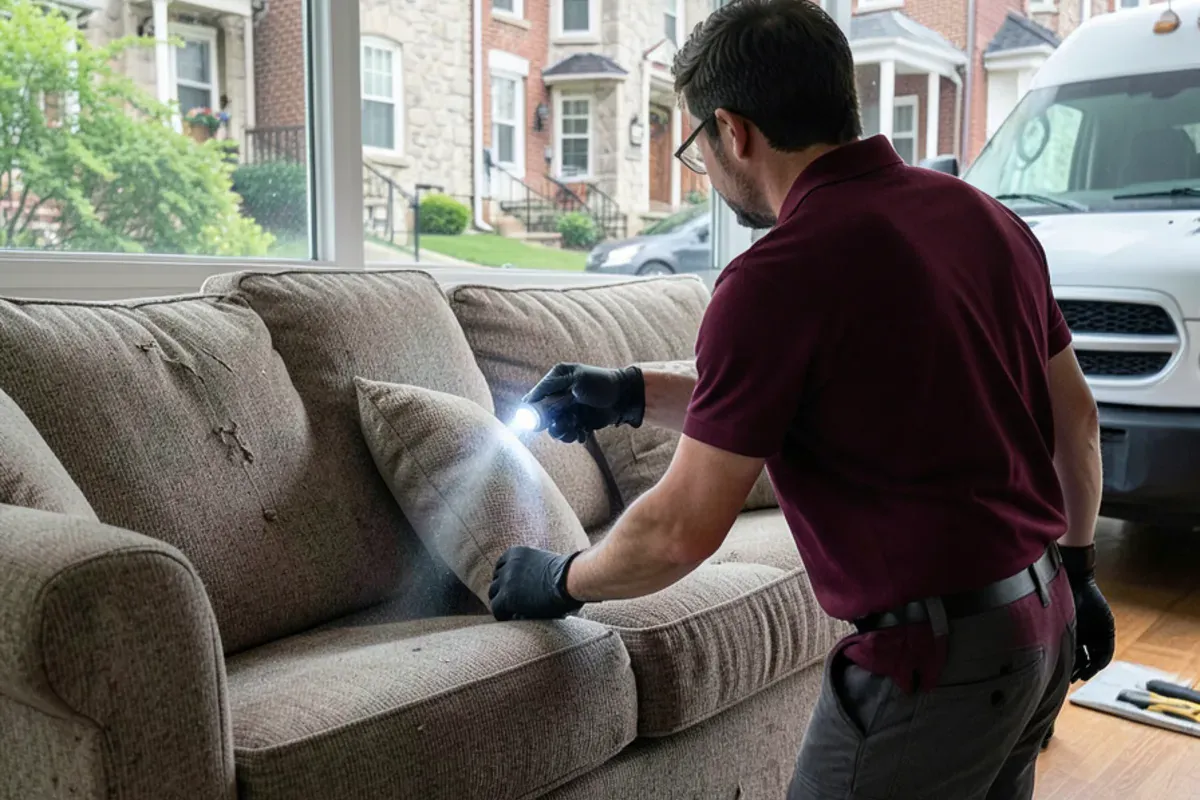
Upholstered couches in lounges and shared living rooms are the other weak point, because students nap on them between classes. If housing staff or a landlord confirms bed bugs in one unit, the furniture in common spaces nearby deserves the same inspection as the bedrooms.
What should landlords of student rentals do between leases?
Inspect between tenants
Check every bedroom, upholstered piece and baseboard during the summer gap, before new furniture arrives.
Use encasements
If you furnish units, put bed bug encasements on all mattresses and box springs and replace damaged ones.
Limit upholstered furniture
Metal bed frames and hard-surfaced furniture are much easier to inspect and treat than fabric.
Make reporting easy
Give tenants a clear way to report bites or sightings, and respond quickly. Delay is what turns one room into a whole house.
Treat the building, not just the room
When one unit has bed bugs, inspect the units beside, above and below it.
How apartment bed bug treatment handles shared buildings
Treating a multi-unit student house is different from treating a single-family home. The occupied unit gets a thorough treatment, and adjacent units are inspected so bugs that moved through walls or along pipes are not missed. Follow-up visits matter, since eggs can survive an initial treatment.
Our apartment bed bug treatment page explains how that coordination works, and a bed bug inspection between tenants is often the simplest way to catch a problem early. Our bed bug treatment overview compares the main methods.
What student rentals around Media teach us
When we inspect student housing, the heaviest activity is almost never in the mattress alone. We find it in the couch that has been passed down through three sets of tenants, the gaps in an old wooden bed frame, and the cracks behind outlet covers on a shared wall. Futons and secondhand sectionals are frequent sources.
We serve rentals throughout the county from our base in Media, PA, a county-seat borough where Census (ACS) estimates put about 58 percent of homes as renter-occupied, many of them walk-up apartments over shops. Bed bugs are one of our specialties, and every job starts with a free inspection and a written quote.
Student houses also test the limits of any treatment, and we say so before starting. Preparation matters: if one roommate skips bagging clothes or keeps sleeping at a friend's place and coming back, bugs survive and travel. We can only treat units the landlord gives us access to, so a problem that started next door may keep returning until that unit is included. Timing helps when it can be chosen, and the gap between spring move-out and August move-in is the easiest window, though summer sublets and storage of student belongings complicate it. Follow-up visits are part of the plan from the start, because eggs that survive the first round hatch within a couple of weeks.
Quick answers
Can I bring bed bugs home from college for the summer?
Yes, and it happens often. Bed bugs hide in suitcase seams, backpacks and bedding. Before heading home from a Delaware County apartment or dorm, dry clothes and linens on high heat, seal them in plastic bags, and unpack outside the bedroom. Check your luggage on a hard floor with a flashlight before storing it.
Do bed bugs mean my apartment is dirty?
No. Bed bugs feed on blood, not food or garbage, so a spotless room can have them. Clutter makes them harder to find and treat, but it does not cause them. In student housing, they almost always arrive in luggage, backpacks or used furniture from another infested space.
Are mattress encasements worth it in student housing?
Yes, they are one of the most useful low-effort steps. A zippered, bed-bug-rated encasement removes the seams and folds where bugs hide, makes any new activity easy to spot on the smooth surface, and traps bugs already inside. For a furnished rental near a Delaware County campus, encasing every mattress between tenants is a simple routine.
Should I sleep on the couch if my bed has bed bugs?
No. Bed bugs follow the sleeper, so moving to the couch or a friend's room usually spreads them to a new spot and makes treatment harder. Keep sleeping in your own bed, pull it a few inches from the wall, keep bedding off the floor, and report the problem to housing staff or your landlord the same day so the room can be inspected.
The bottom line
Students who check before unpacking and landlords who inspect between leases stop most college-housing bed bug problems before they start. If you suspect bed bugs in a rental near campus, call (209) 563-1650 and Thom and his team will help you sort it out.
Sources
Written by the No Bugs Exterminator team
A small, family-run pest control business in Media, PA, led by owner Thom. We write about what we see on inspections in Delaware County and southeastern Pennsylvania. About us.
Services mentioned in this guide
Want a professional opinion?
Book a free inspection and get a written quote before any treatment.
- ★ 4.8 from 21 Google reviews
- Open 7 days, 8 a.m. to 7 p.m.
- Free inspection before treatment
- Family-run, based in Media, PA
Open 7 days, 8 a.m. to 7 p.m.