
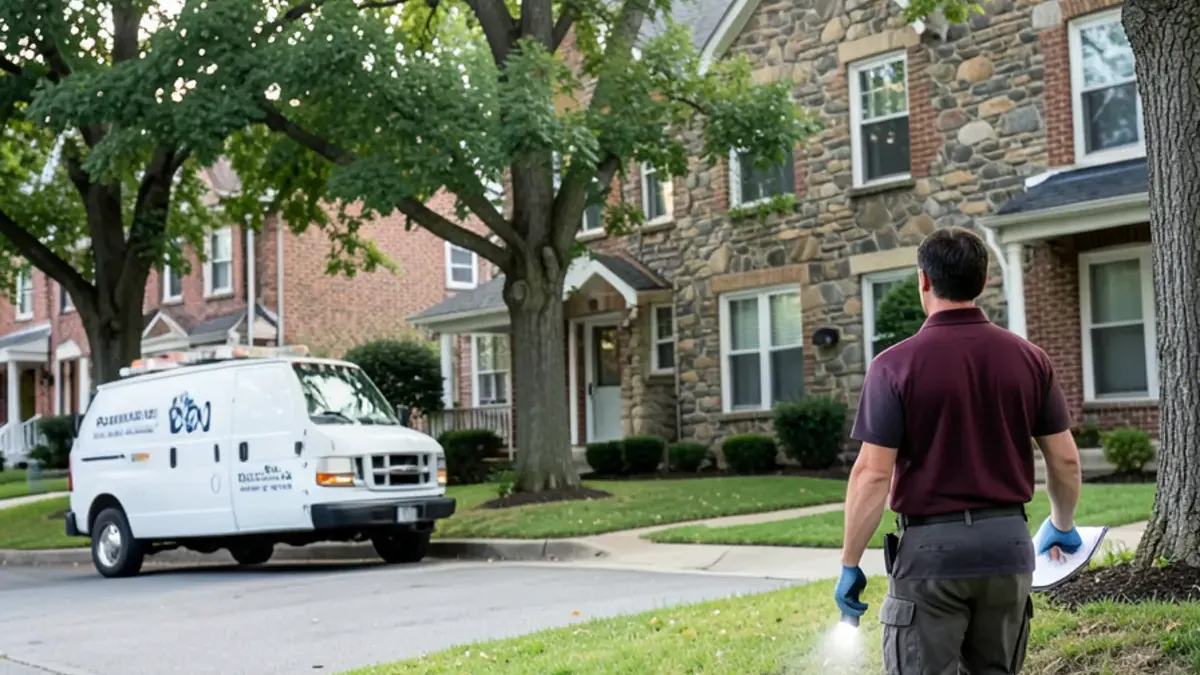
Knowing what happens during a pest inspection takes the guesswork out of the first visit. In short, the inspector asks what you have seen, walks the outside and inside of the building looking for evidence and entry points, identifies the pest, and then explains what treatment would involve.
Before the visit: how to prepare for an exterminator
At No Bugs Exterminator, that inspection is free and is followed by a written quote, so you know the plan before any work starts.
A little preparation makes the inspection faster and more accurate. You do not need to clean or move furniture, and in fact cleaning too thoroughly can erase the evidence the inspector needs to see. Instead, gather the information only you have.
- Write down where and when you saw the pest, and roughly how many.
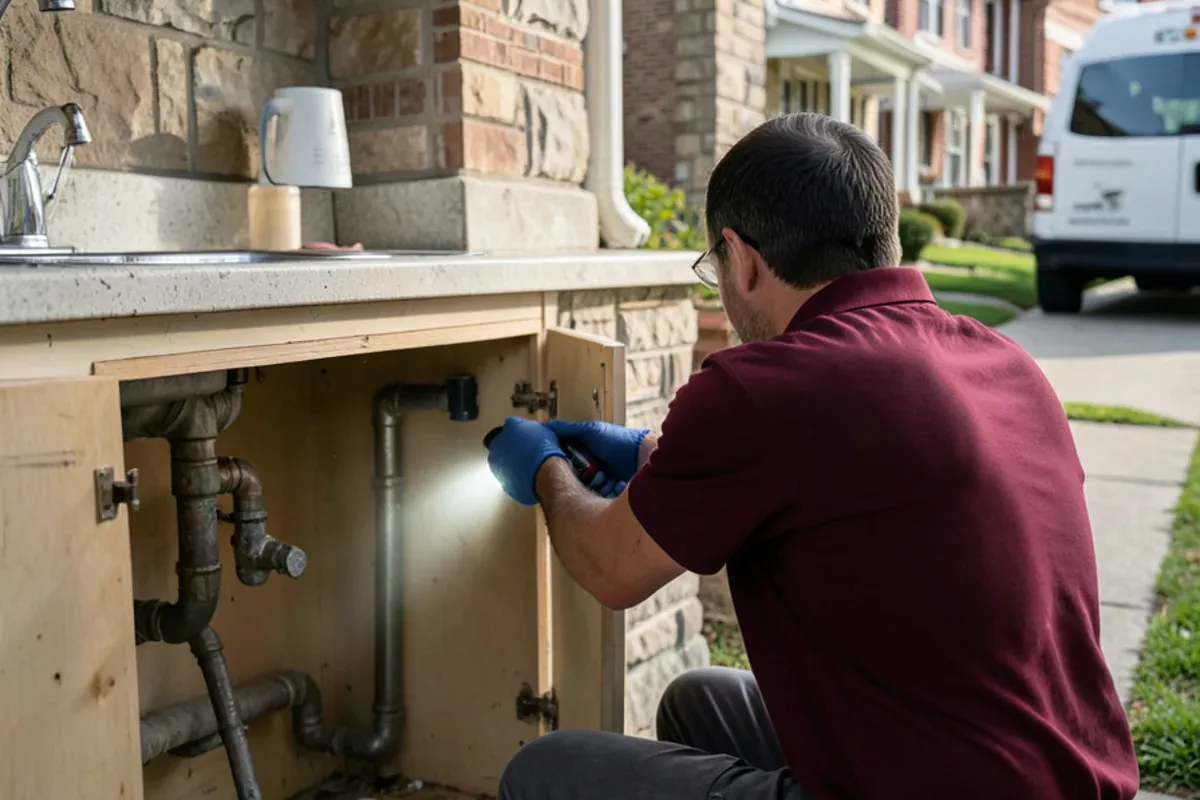
- Save a specimen in a sealed bag or a jar if you can do it safely, or take a clear photo.
- Note any past treatments, including store-bought sprays or baits you have used.
- Clear a path to the basement, attic hatch, crawlspace door, garage and areas under sinks.
- Mention children, pets, allergies or anyone with health concerns living in the home.
- Think about recent changes: renovations, new furniture, a returning traveler or a moisture problem.
What does an exterminator look for outside?
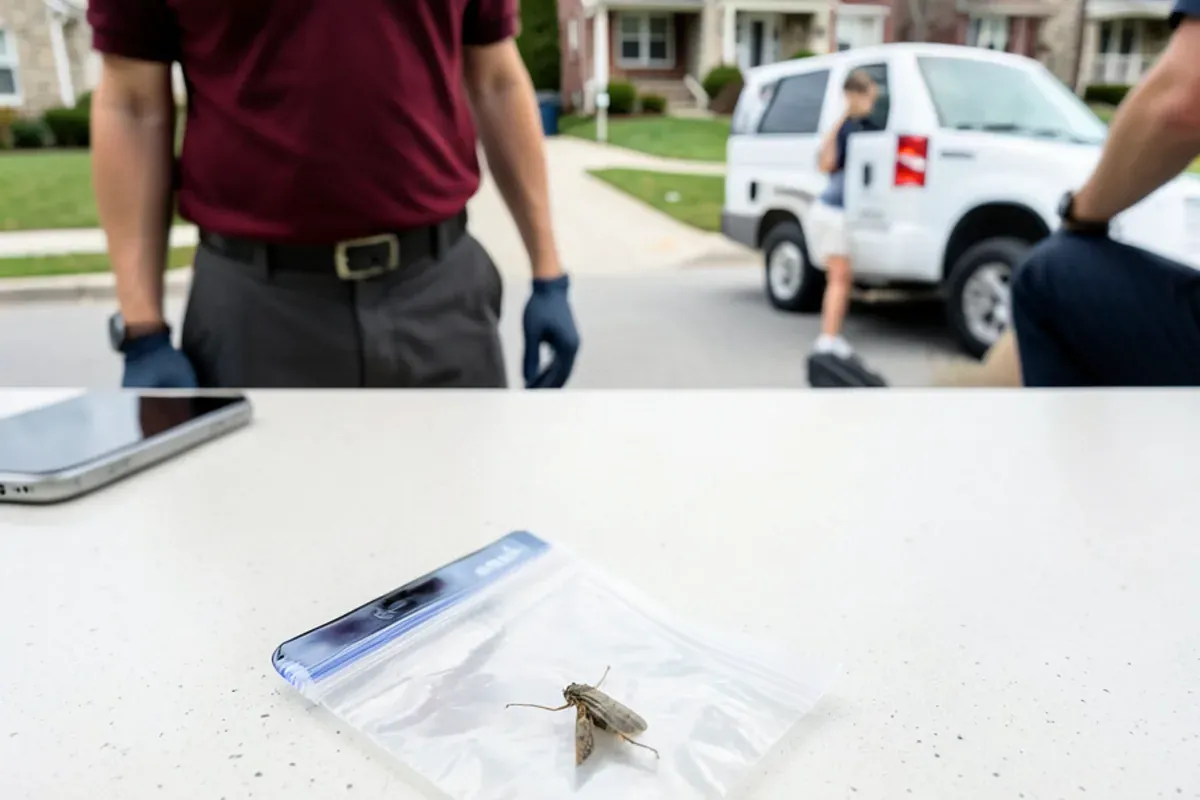
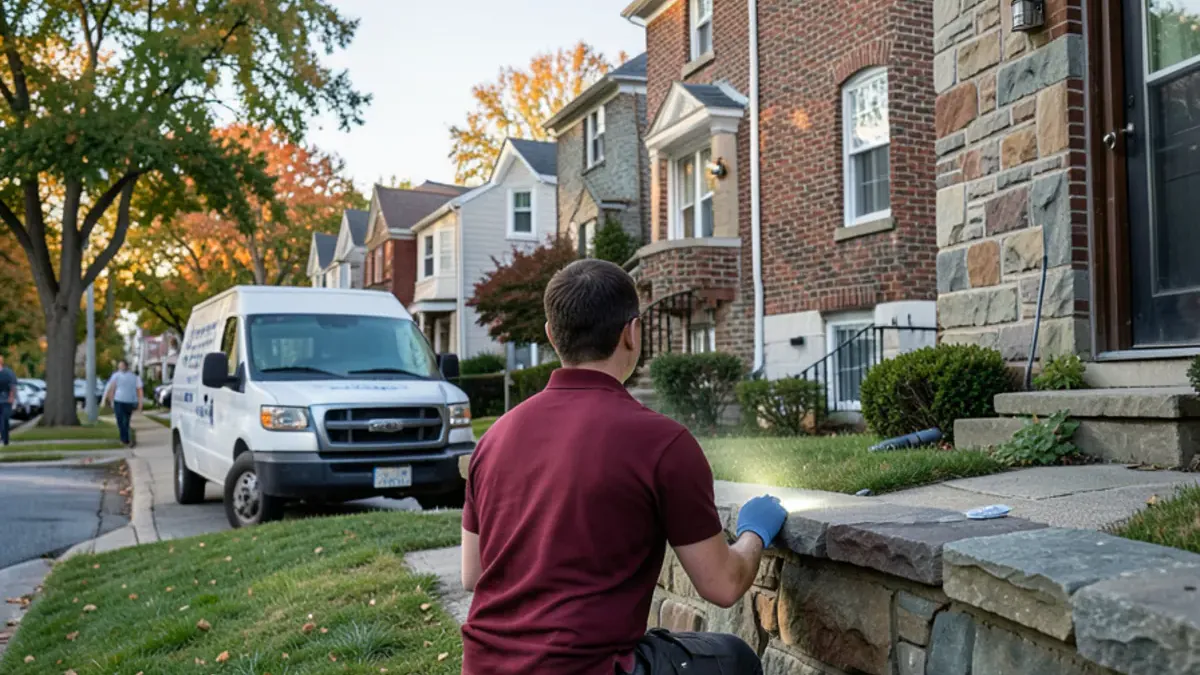
Many inspections start outdoors, because that is where most pests come from. The inspector walks the perimeter looking at the foundation for cracks and gaps, the sill line, and the spots where pipes, wires and vents pass through the wall. Doors and garage doors get checked for missing sweeps and daylight underneath.
Conditions around the house matter just as much as openings. Mulch piled against the siding, firewood stacked by the back door, gutters that overflow onto the foundation, shrubs touching the walls and standing water all invite insects and rodents. In Media-area neighborhoods with mature trees and older stone foundations, those details often explain why a problem keeps returning.
Inside the home: the pest inspection checklist
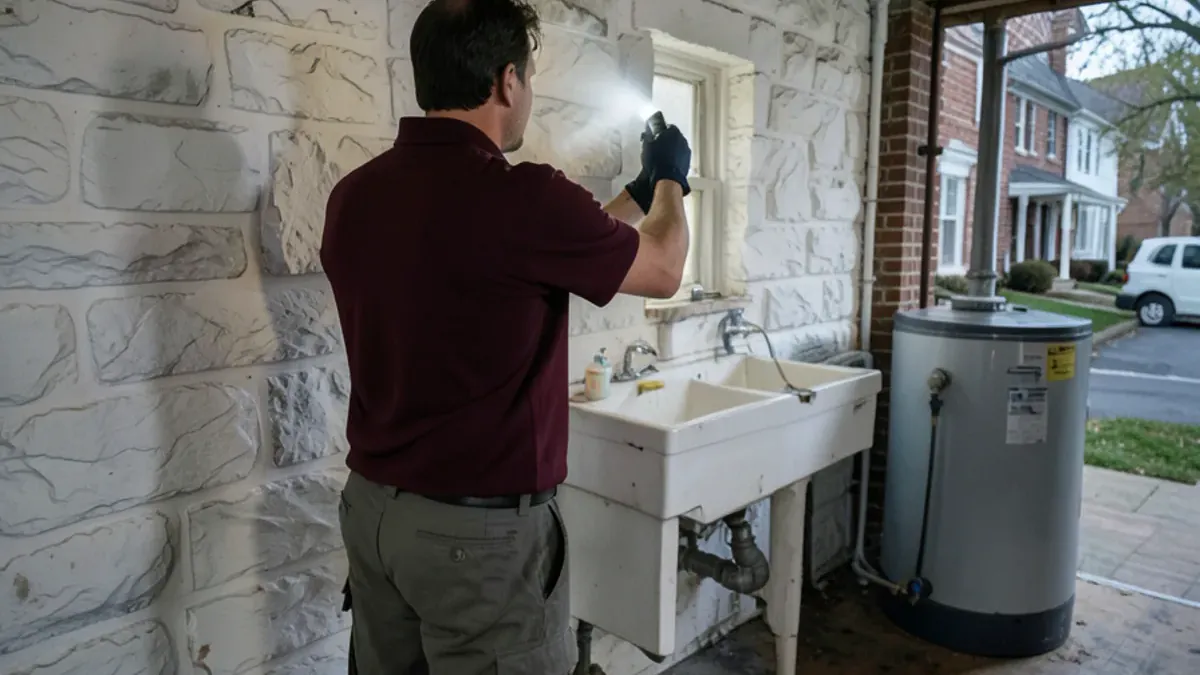
Inside, the inspector focuses on the places pests prefer: warm, dark, damp and undisturbed. Kitchens and bathrooms get close attention around plumbing, under appliances and inside cabinets. The basement or crawlspace is checked for moisture, wood damage, droppings and gaps along the sill. Attics are checked for rodent trails, nesting and gaps at the eaves.
The specific evidence depends on the pest. Inspectors look for droppings and rub marks for rodents, shed skins and dark spotting for bed bugs, frass and damaged wood for wood-boring insects, mud tubes for termites, and live insects or egg cases in harborage for roaches. A flashlight, a mirror and a sharp eye do most of the work, and the inspector may use monitors or traps when activity is hard to confirm on the spot.
Identifying the pest and finding the cause
Correct identification shapes everything that follows. Odorous house ants and carpenter ants need different approaches; German cockroaches behave nothing like the larger American cockroaches that wander up from drains; a mouse problem and a rat problem call for different traps and different exclusion work. Treating the wrong pest wastes time and lets the real one grow.
A good inspection also explains why the pest is there. That might be a gap behind the dryer, a leak under the sink, a food source in the garage, or a neighbor's infestation spreading through a shared wall. Fixing that cause is what keeps the problem from coming back after treatment.
How do you read a pest inspection report or quote?
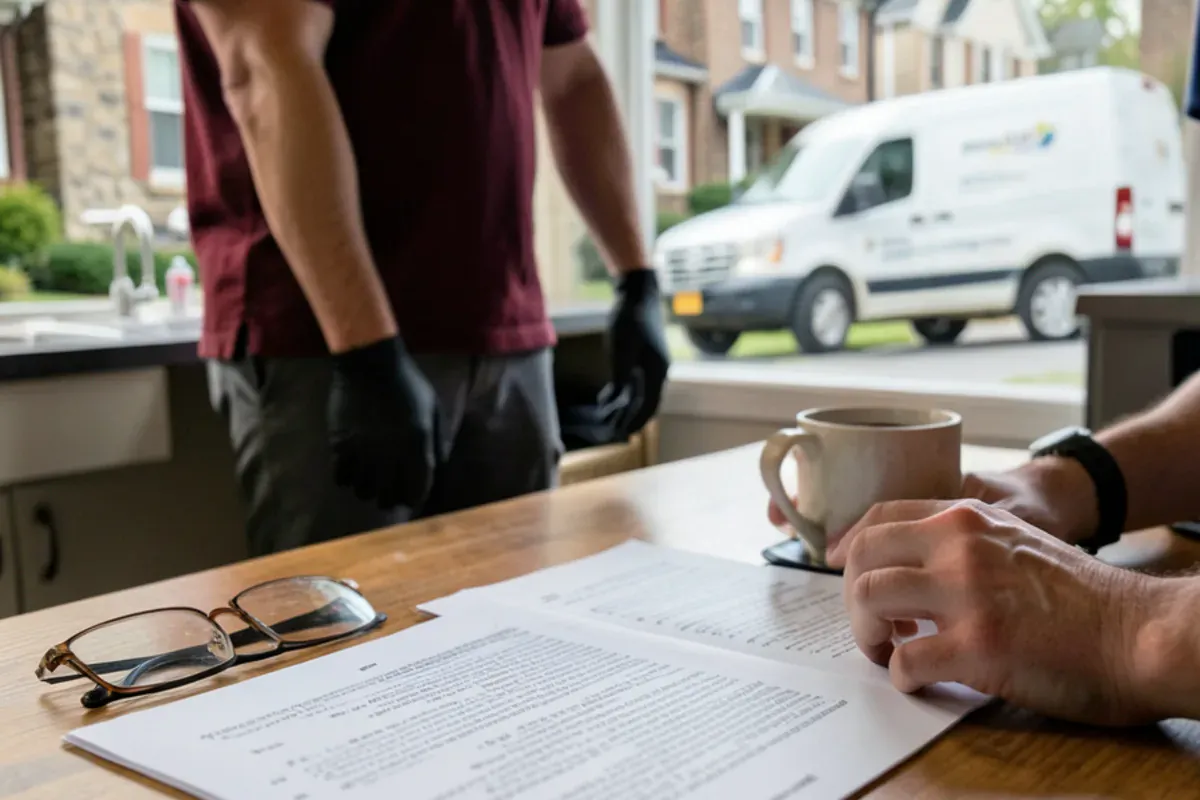
After the inspection, you receive a written quote. Read it the way you would any home-service estimate, and ask questions about anything that is unclear before agreeing to work.
Look for what pest was found and where, what treatment method is proposed and why, how many visits are included, any preparation you need to do, and the repairs or changes the inspector recommends you handle yourself, such as sealing a gap or fixing a leak. If you are comparing providers, ask each for its Pennsylvania Department of Agriculture business license number and for any written re-treatment terms they offer, so you can compare plans fairly.
Depending on what is found, the recommendation may be a one-time pest treatment for a single issue or ongoing service for recurring seasonal pests. Our general pest control service covers the common insects and rodents in the region.
What our inspections around Media usually turn up
When we inspect homes in and around Media, the cause of a problem is often a few feet from where the homeowner first saw the pest. Ants in the kitchen frequently trace back to a mulch bed against the outside wall on the other side. Mice in the pantry often come from a gap behind the stove where the gas line enters.
Not every inspection ends with a treatment plan, and we think that is worth saying. A single ground beetle that wandered in under a door, or a few winged ants that turn out to be coming from a rotting stump in the yard rather than the house, may need nothing more than a door sweep or a stump removed. Other times the evidence is not clear on the first walk-through, such as itchy bites with no sign of bed bugs on the mattress. Then we would rather set monitors and take a second look than recommend treatment on a guess.
We also find that the questions homeowners ask during the walkthrough lead to the most useful discoveries. Mentioning that a basement floods after storms, or that someone just returned from a trip, can change what we look for. You can read more about the visit on our free pest inspection page.
Quick answers
How long does a pest inspection take?
It depends on the size of the property and the problem. A focused check for ants in one kitchen takes less time than a whole-house look for rodents in an older home with a cellar, attic and crawlspace. The inspector should take long enough to find the cause, not only the symptom. When you call to schedule, we can give you a sense of what to expect for your home.
Do I need to be home during the inspection?
It helps to be there, or to have another adult present who knows the house. The inspector needs access to every area, including the basement, attic and garage, and your answers about where and when you saw pests guide the search. Being present also means you can ask questions and hear the explanation of the written quote in person.
Will the inspector treat during the same visit?
That depends on the situation and the schedule. Some problems can be addressed right away once you approve the written quote, while others, such as bed bugs, need preparation by the household before treatment. In those cases we explain the prep steps and set a separate visit. Same-day visits are often possible when the schedule allows, so call early in the day.
What if the inspector does not find any pests?
Then you get an honest answer instead of a treatment. The inspector should explain what was checked, what might have caused what you saw and what to watch for, such as droppings near the stove or new dark spots on a mattress seam. When signs are unclear, monitors or sticky traps placed in the right spots can confirm activity over a week or two. Older Media-area homes with stone cellars sometimes need that extra time.
The bottom line
A pest inspection should leave you with clear answers: what the pest is, why it is there and what it will take to fix. If you are ready to find out, Thom and his team are open 7 days, 8 a.m. to 7 p.m. Call (209) 563-1650 to schedule your free inspection.
Sources

Written by the No Bugs Exterminator team
A small, family-run pest control business in Media, PA, led by owner Thom. We write about what we see on inspections in Delaware County and southeastern Pennsylvania. About us.
Services mentioned in this guide
Want a professional opinion?
Book a free inspection and get a written quote before any treatment.
- ★ 4.8 from 21 Google reviews
- Open 7 days, 8 a.m. to 7 p.m.
- Free inspection before treatment
- Family-run, based in Media, PA
Open 7 days, 8 a.m. to 7 p.m.