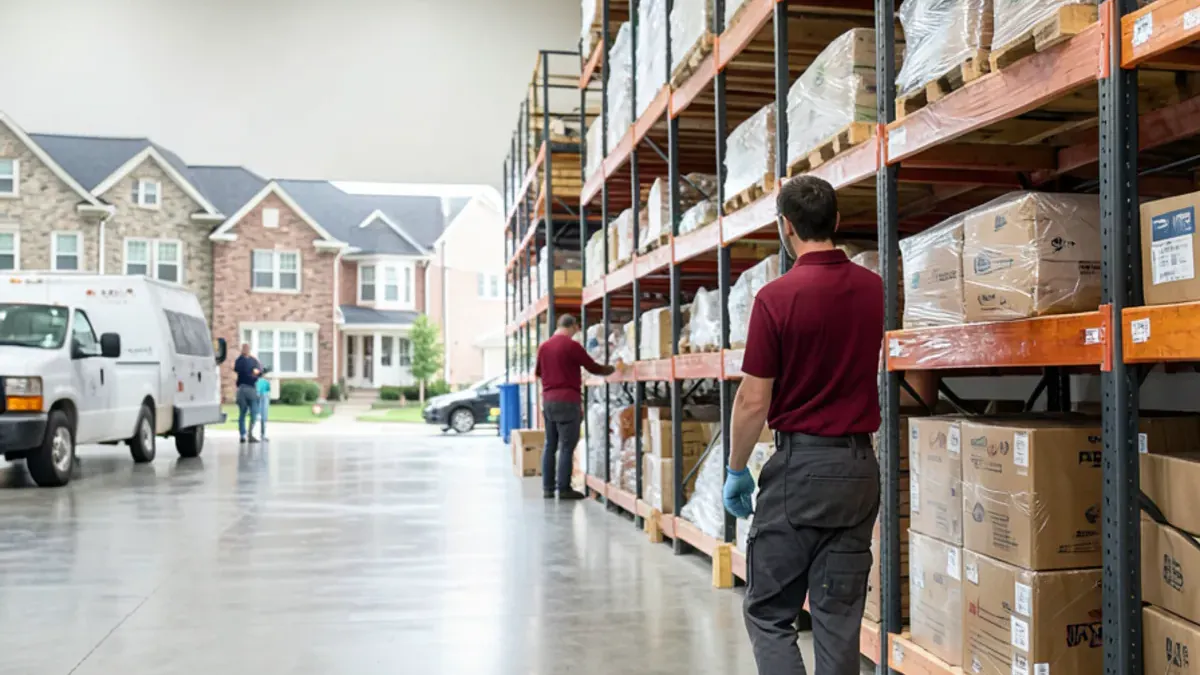
Warehouse pest control is mostly about the building's edges: the dock doors that stay open for hours, the pallets that come in from other facilities, and the spilled product nobody sweeps up behind the racking. Rodents and stored-product insects find those openings quickly, and once they are inside a large building with plenty of food, they are hard to dislodge.
Why do warehouses attract so many pests?
This post explains how pests get into storage operations and how a monitoring program keeps inventory and audits safe.
A warehouse offers what pests look for, at scale. There is shelter in racking, pallets and stretch wrap; there is food in damaged cases and floor spills; and there are dozens of ways in, from dock doors and leveler pits to roof vents and utility penetrations. Large interior spaces also stay undisturbed for long stretches, especially on upper racks and back rows.
Location adds pressure. Many distribution and storage buildings in southeastern Pennsylvania sit along the I-95 corridor, near rail lines or the Delaware River, or close to Philadelphia International Airport. Those areas carry steady populations of Norway rats and house mice around neighboring lots, dumpsters and drainage ditches, and cold weather drives them toward heated buildings each fall.
Warehouse rodents: the costliest problem on the dock
Mice and rats damage far more than they eat. They chew through cartons, shrink wrap and bagged goods, and their droppings and urine contaminate everything nearby. A single sign of rodent activity in a food storage area can mean rejected loads, destroyed inventory and a failed audit.
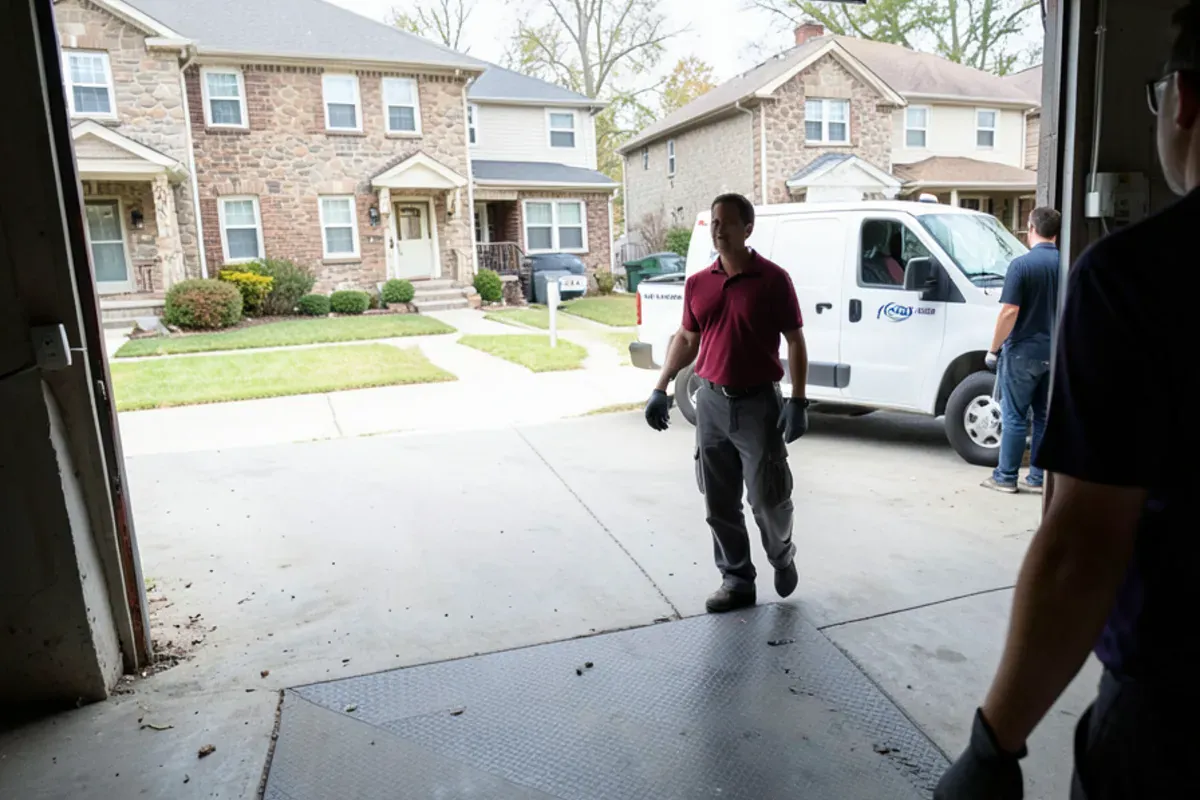
Rodents usually enter at dock doors with worn seals or gaps at the corners, through leveler pits, and along the base of overhead doors that do not close tight to the slab. Inside, they travel along walls and under the bottom rack beam where cleaning crews rarely reach.
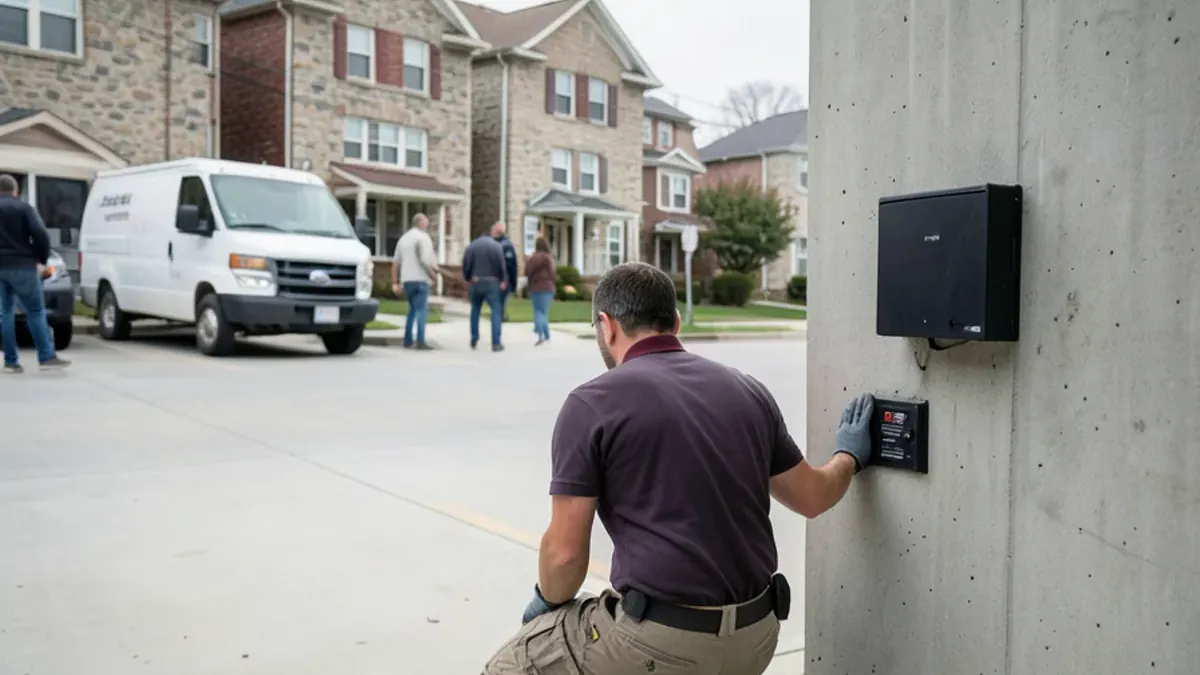
Control starts at the perimeter: tamper-resistant bait stations around the outside of the building, mechanical traps or monitoring devices along interior walls, and steady repair of door seals and gaps. Indoor bait is often limited or avoided in food storage areas, so trapping and exclusion carry most of the load inside. Our rodent control service covers both commercial and residential buildings.
Stored product insects and food storage pests
Stored-product insects live in dry goods and can travel into a building inside incoming product. Once established, they spread from pallet to pallet and can survive in residue in cracks and under racking long after the original source is gone. These are the species most often found in food storage:
| Insect | What it infests | Common sign |
|---|---|---|
| Indian meal moth | Grain products, nuts, dried fruit, pet food, birdseed | Webbing in product and small moths flying at dusk |
| Sawtoothed grain beetle | Cereals, flour, dried fruit, pasta | Tiny flat brown beetles in packaging seams |
| Red and confused flour beetles | Flour, mixes, broken grain | Gray-tinted flour and beetles in spilled product |
| Cigarette and drugstore beetles | Spices, dried herbs, tobacco, pet food, paper goods | Small round holes in packaging |
| Warehouse beetle | Grains, seeds, dried animal products | Hairy larvae and shed skins in corners and cracks |
How does a warehouse monitoring program work?
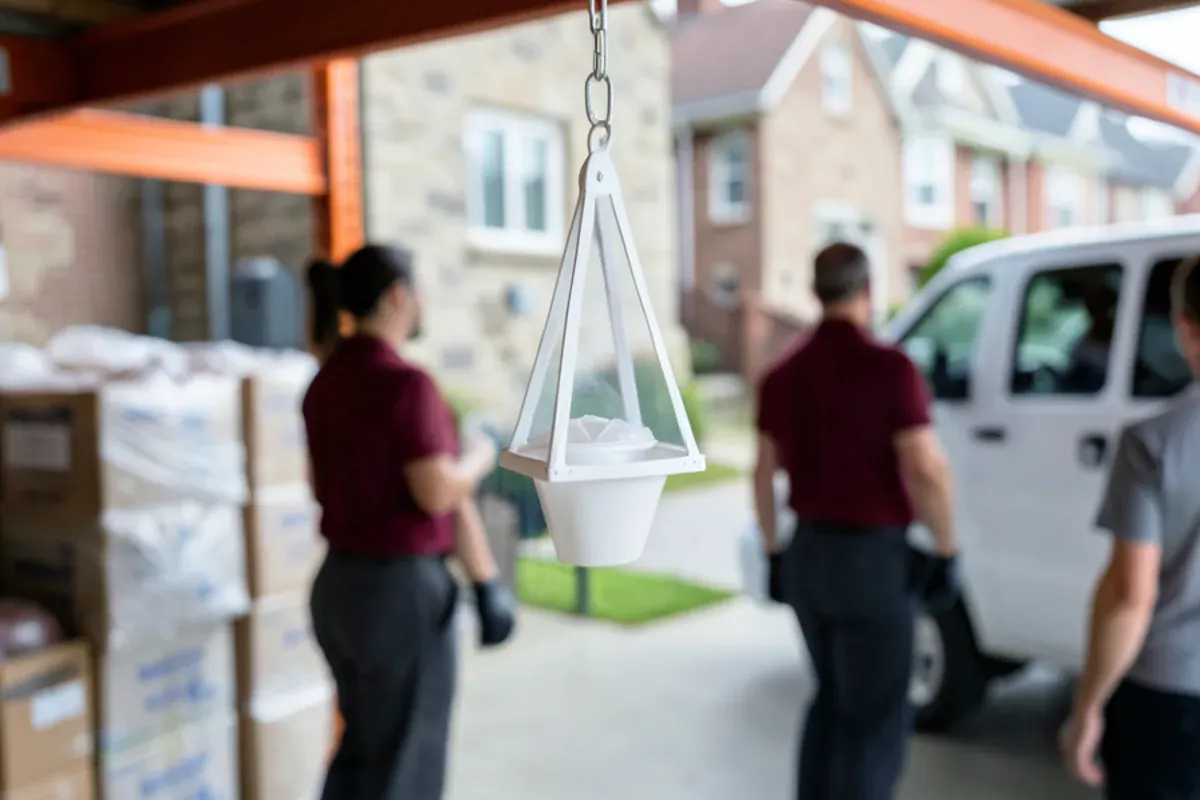
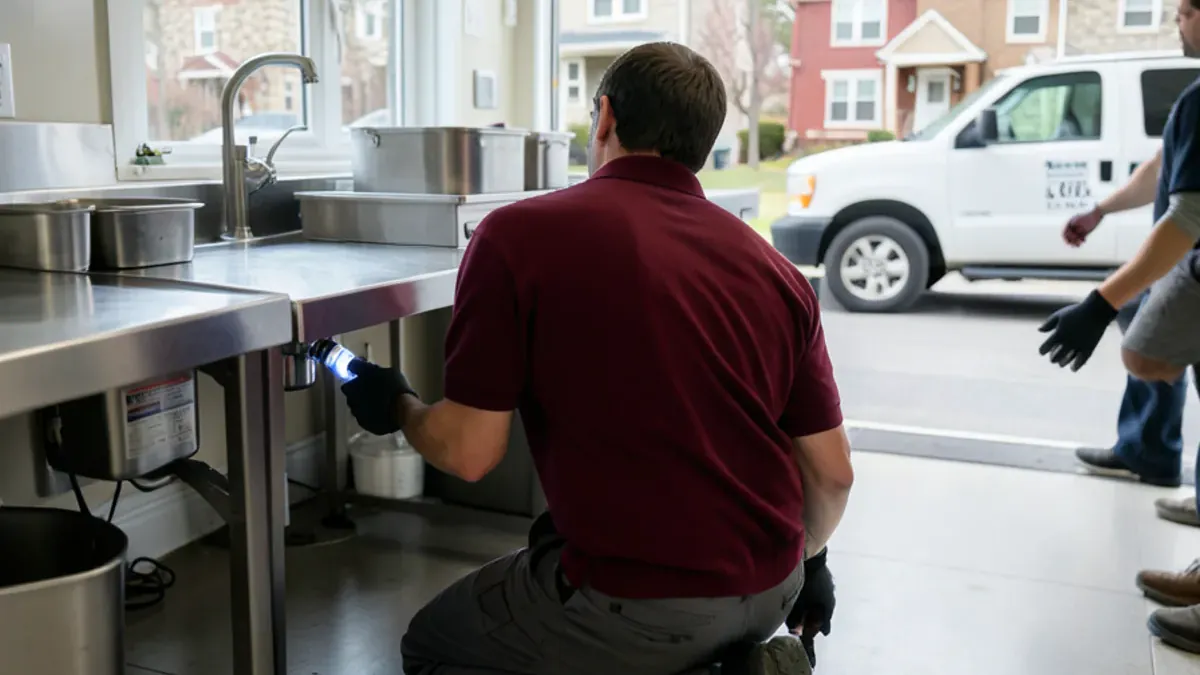
Good warehouse pest control relies on knowing what is happening before it shows up in a customer's load. That is the job of monitoring. Exterior bait stations and interior traps are numbered, mapped and checked on a set schedule. Pheromone traps for stored-product moths and beetles hang in storage zones, and the counts are recorded so trends are visible over months.
When counts rise in one aisle, the technician and the warehouse team look for the cause: a damaged pallet of grain product, spillage under a rack, or a dock door that no longer seals. Treatment then targets that spot. Fumigation and broad space treatments are specialized tools for specific situations and are not a routine part of monitoring.
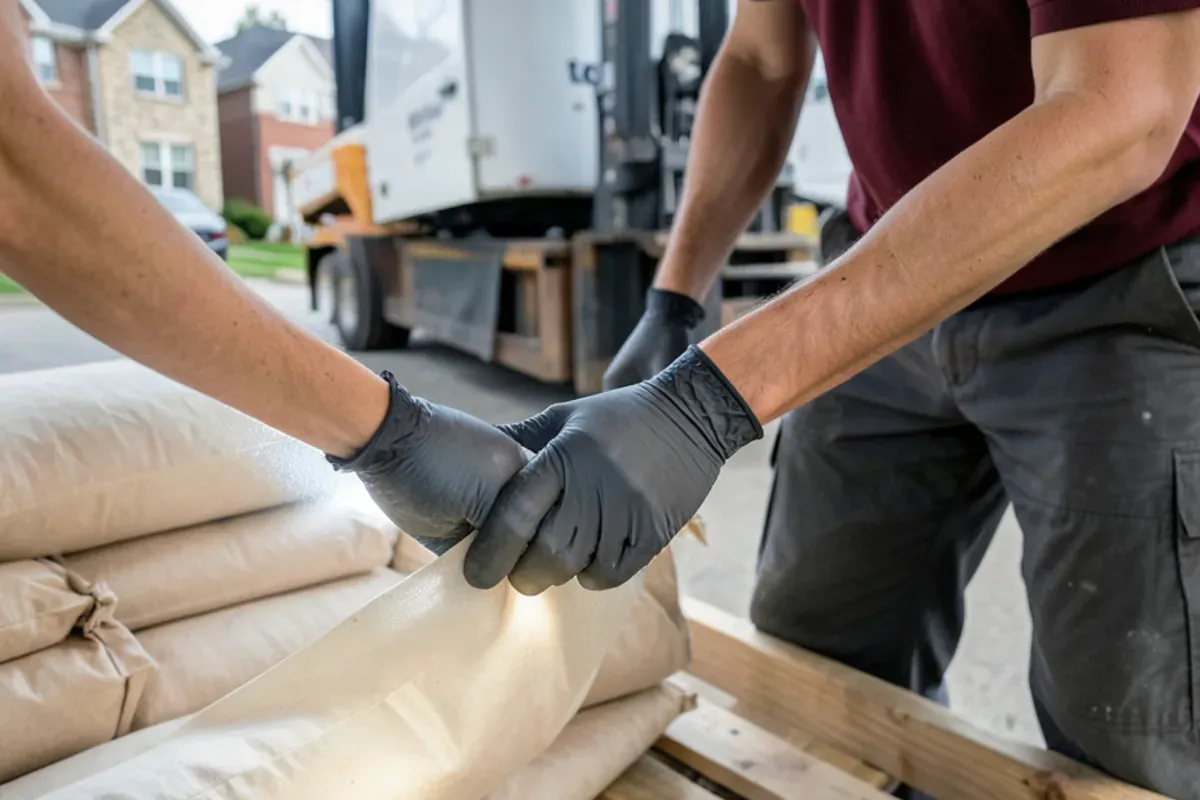
Pallet pests deserve their own check. Inspect incoming pallets at receiving, refuse product with live insects or webbing, and keep empty pallet stacks outside or away from walls so they do not become rodent housing.
Audit pest control records and what reviewers expect
Food storage operations that undergo third-party food safety audits or customer inspections know that documentation weighs as much as results. Reviewers commonly expect a current device map, service reports from each visit, trend data from monitoring, records of products used with labels and safety data sheets, corrective actions for any findings, and proof that the provider is properly credentialed under Pennsylvania rules.
Ask any provider for its Pennsylvania Department of Agriculture business license number and sample reports before an audit cycle starts. Our warehouse and food facility pest control program is built around those records so your quality team is not scrambling the week before an auditor arrives.
What storage buildings in Delaware County show us
When we inspect warehouses, the most common rodent entry is not a dramatic hole but a dock door seal worn thin at the bottom corners. Light coming through at those corners is the giveaway, and it is easy for a dock supervisor to check with the lights off.
Because indoor bait is often kept out of food storage areas, interior rodent control leans on traps. That trade-off is worth explaining: traps mean more devices to check and a slower knockdown than bait would give, but there is no chance of a rodent carrying bait into product. We also tell managers that an interior trap catching week after week is a warning, not a success, because it means the perimeter is failing somewhere. Buildings near the airport and the river in Tinicum Township see steady outdoor rat pressure, so exterior stations and door seals there carry more of the program.
Inside, we often find stored-product insects building up in the floor seam under the bottom rack beam, where spilled product sits for months. A regular sweep under racking does more to control them than any treatment. That holds true for storage buildings throughout Delaware County and the neighboring industrial areas.
Quick answers
How often should a food warehouse have pest service?
Many food storage facilities have devices checked at least monthly, and some audit standards or customers call for more frequent visits. The right schedule depends on the product, the building's history and what your audit scheme requires. After a free inspection we provide a written quote with a service frequency and device layout that matches how your dock and storage areas actually operate.
Can stored product insects come in on incoming shipments?
Yes, and that is one of the most common ways they arrive. Moths and beetles can be inside product or in the residue on pallets from another facility. Inspecting at receiving, refusing infested loads, rotating stock first in, first out, and cleaning under racking all reduce the risk. Pheromone trap counts near the dock help show whether new arrivals are bringing insects along.
What should we do with an incoming pallet that has live insects?
Isolate it right away. Keep the stretch wrap on or bag the affected cases, move the pallet out of storage aisles to a holding area, and notify your quality team and the supplier. Do not open it in the aisle, where insects can scatter into nearby stock. Check the pallets that arrived on the same load and the pheromone traps closest to the dock over the next few weeks.
Do warehouses still need pest service in winter?
Yes. Cold weather is when mice and rats push hardest toward heated buildings, so fall and winter are often the busiest months for exterior stations and dock door checks. Stored-product insects also keep breeding indoors wherever the building stays warm. Along the I-95 and Delaware River corridor in southeastern Pennsylvania, winter visits are a good time to repair seals before spring traffic picks up.
The bottom line
Warehouses that stay clean on audit day are the ones that treat pest control as a monitoring routine instead of an emergency. If you operate storage or distribution space in southeastern Pennsylvania, Thom and his team can walk the building, map devices and put a program in writing. Call (209) 563-1650 to set up a free inspection of your facility.
Sources
Written by the No Bugs Exterminator team
A small, family-run pest control business in Media, PA, led by owner Thom. We write about what we see on inspections in Delaware County and southeastern Pennsylvania. About us.
Services mentioned in this guide
Want a professional opinion?
Book a free inspection and get a written quote before any treatment.
- ★ 4.8 from 21 Google reviews
- Open 7 days, 8 a.m. to 7 p.m.
- Free inspection before treatment
- Family-run, based in Media, PA
Open 7 days, 8 a.m. to 7 p.m.