
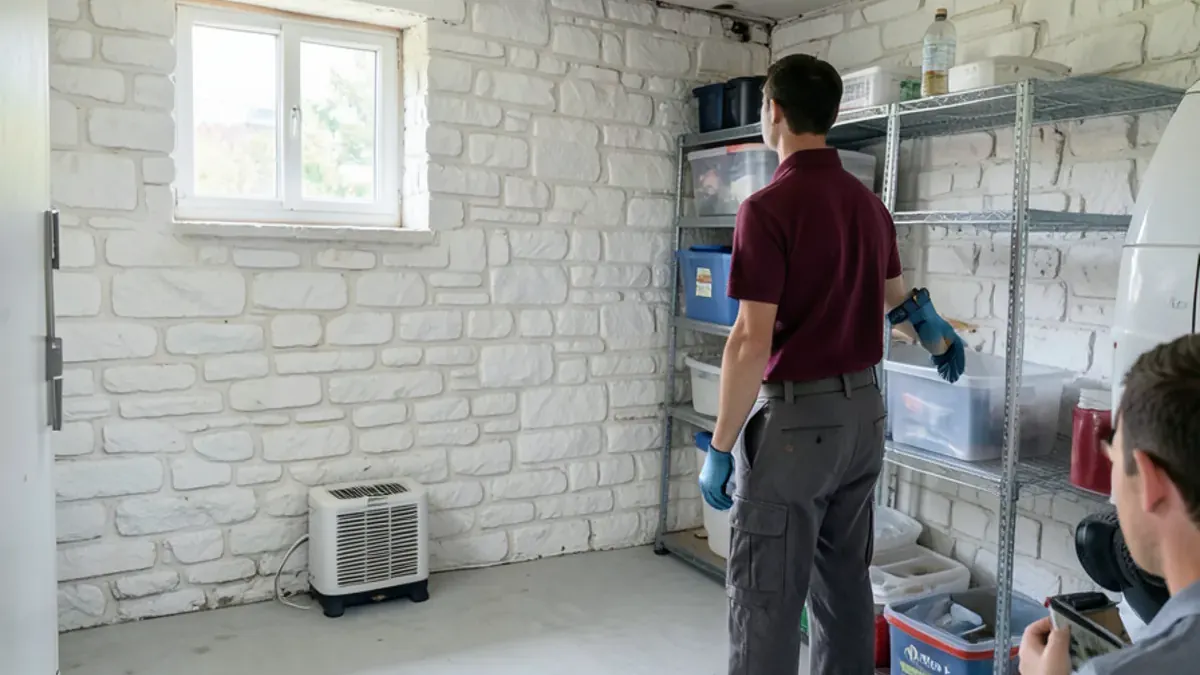
Basement pest control in PA almost always comes back to moisture. Silverfish, house centipedes, millipedes, camel crickets and the spiders that hunt them all thrive in the damp air of older stone and block basements, and most of them dry out and die when humidity drops. Fix the water first, then seal the openings, then sort out storage, and the basement becomes a far less friendly place for pests.
Why are Delaware County basements so damp?
Age and construction play a big part. Census (ACS) estimates put the median Delaware County home at 1957, and in the eastern boroughs many houses are older still: the median is 1943 in Lansdowne and 1948 in Upper Darby. Fieldstone and early block foundations were never built to be watertight, and mortar joints soften over time.
Add humid summers, wet soil pressing against old walls after storms, and gutters that overflow during summer storms, and many basements stay damp from spring into fall without ever flooding.
Which damp basement pests point to which problem?
The pests you find tell you where the moisture is coming from. Use this table to connect what you see with the likely fix.
| Pest | What it tells you | First fix |
|---|---|---|
| Silverfish | Humid air and paper or cardboard to feed on | Dehumidify; move boxes into plastic bins |
| House centipedes | Plenty of small insects to hunt and damp hiding spots | Lower humidity and clear clutter along walls |
| Millipedes and sowbugs | Wet mulch or soil outside the foundation and gaps at the sill | Pull mulch back, fix grading, seal the sill |
| Camel crickets | Cool, damp corners, window wells and crawl spaces | Seal window wells and bulkhead doors; dry the space |
| Cellar and house spiders | Steady supply of other insects | Remove their prey; vacuum webs and egg sacs |
| Drain flies | Organic film in a floor drain or sump | Clean the drain; keep traps filled with water |
Basement pest control in PA: dry the air first
Most moisture pests need humidity well above what people find comfortable. Bringing basement air down to roughly 50% relative humidity or lower takes away the conditions they need. A small hygrometer tells you where you stand.
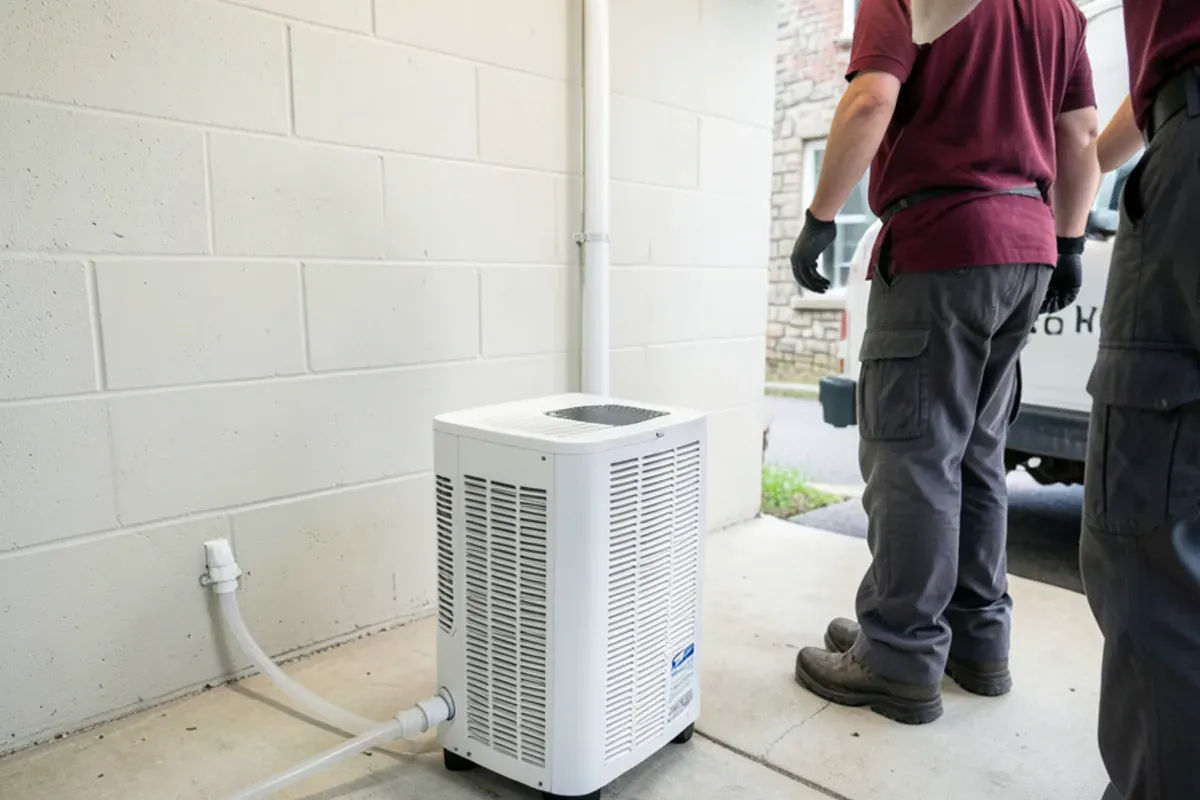
- Run a dehumidifier sized for the space from late spring through early fall, and set it to drain continuously into a floor drain or sump so it never shuts off full.
- Clean gutters and extend downspouts several feet from the foundation.
- Check that soil slopes away from the house; fill low spots against the wall.
- Insulate cold water pipes that sweat in summer.
- Vent the dryer outside and check the duct for leaks.
- Keep the dehumidifier filter and coils clean so it keeps working.
Walls, sill and floor: sealing the way in
With the air drier, close the routes that let outdoor pests in. Millipedes, sowbugs and crickets mostly enter at ground level.
- Seal gaps where the wooden sill plate meets the top of the foundation.
- Repoint crumbling mortar in stone walls and patch cracks in block.
- Seal around pipes, wires and the main water and sewer lines where they pass through walls or floor.
- Install weatherstripping and a sweep on any exterior basement door, and check bulkhead doors for gaps along the frame.
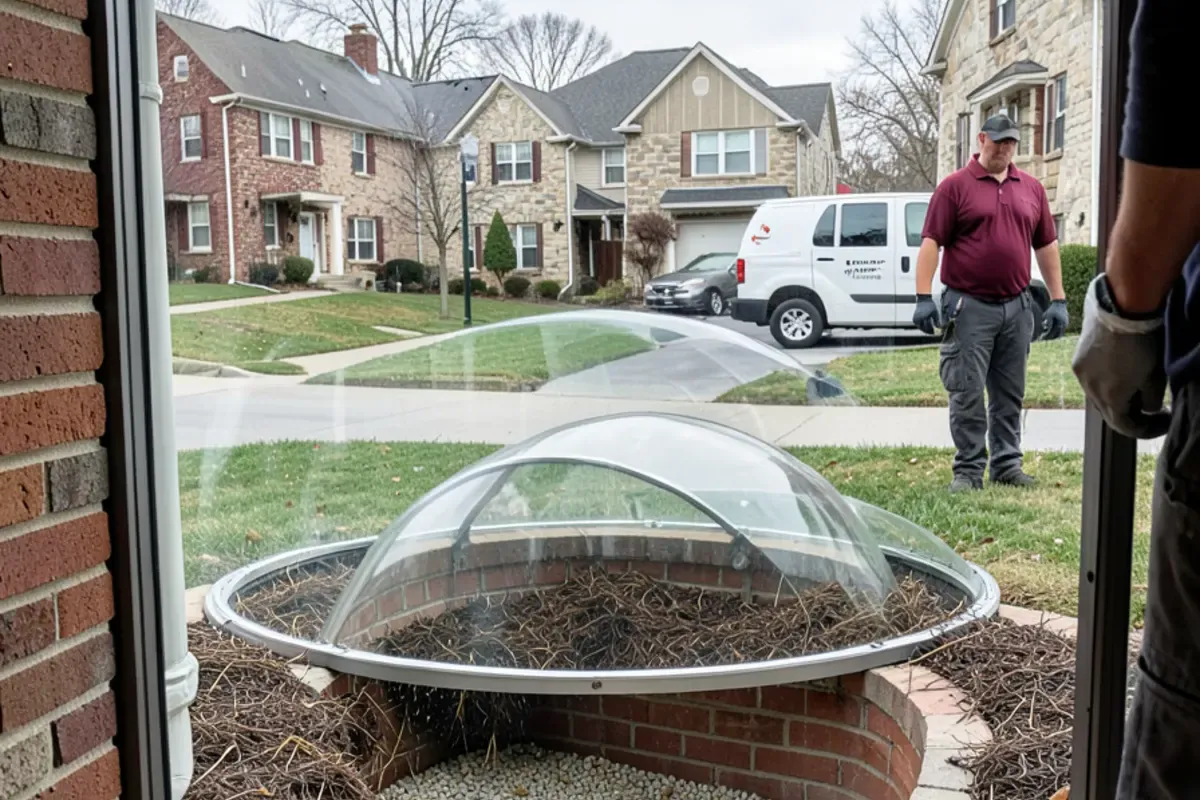
- Cover window wells and keep them clear of leaves so water and insects do not collect against the glass.
Do sump pumps attract pests?
The pump itself does not, but an open pit full of standing water raises humidity and gives drain flies, crickets and even mosquitoes a place to breed. Sump pump pests are easy to fix: fit a sealed lid over the pit, keep the discharge line pointing well away from the house, and clean out silt and debris once a year.
Floor drains matter too. When the trap dries out, sewer gases and small insects can come up through it. Pour a bucket of water down rarely used drains every few weeks to keep the trap filled.
Storage habits that keep basement silverfish and spiders down
Clutter does not cause pests, but it gives them shelter and food. Silverfish feed on paper, glue and starch; basement spiders and centipedes hunt in cluttered corners.
Swap cardboard for plastic
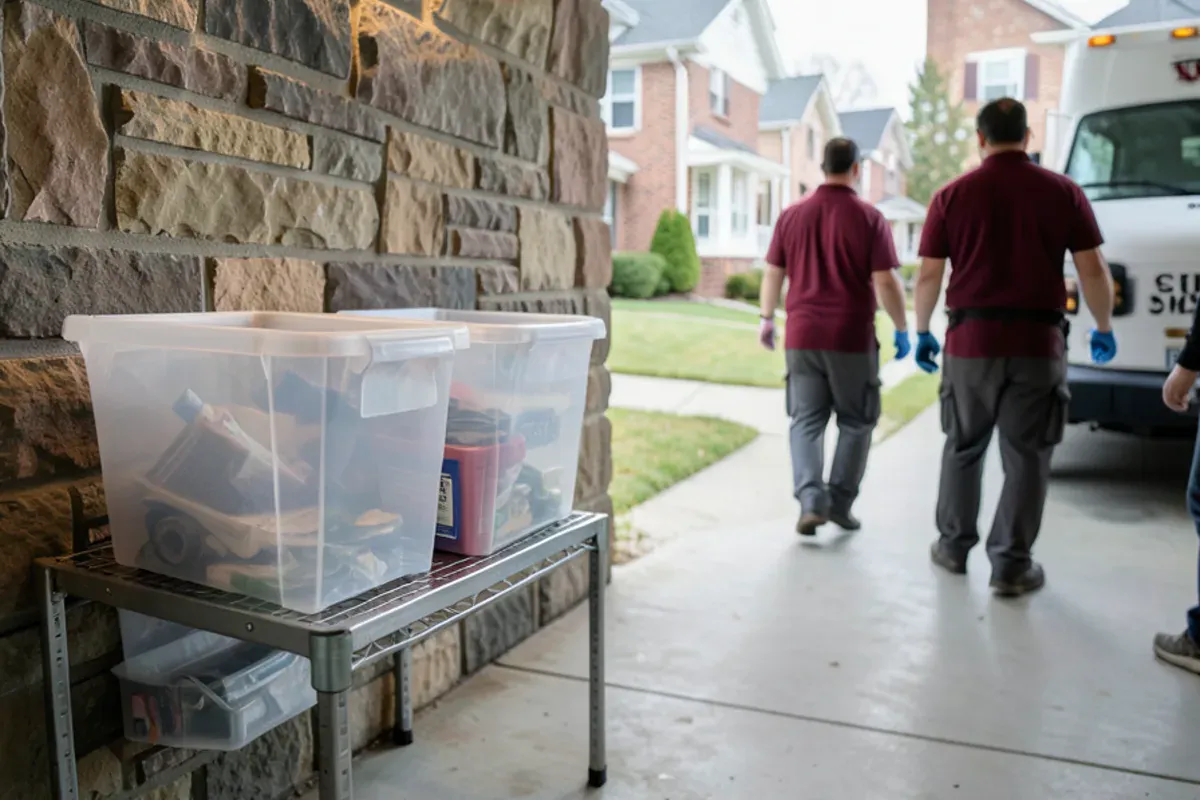
Move stored papers, books and clothes into lidded plastic bins.
Get things off the floor
Use metal shelving and keep a gap between storage and the walls so you can see the base of the foundation.
Vacuum the edges
Every month or two, vacuum the floor along the walls, corners and under stairs, including webs and egg sacs.
Store firewood outside
Wood brought into the basement carries insects and moisture with it.
Check finished areas
In finished basements, look behind baseboards and under carpet edges for dampness, especially along exterior walls.
What damp basements around the county have in common
When we inspect basements in Delaware County twins and older singles, the pattern is consistent: a downspout dumping water next to the foundation, cardboard boxes stacked against a stone wall, and a dehumidifier that has been full and switched off for days. Fixing those three things often matters more than any treatment.
We are also straight with homeowners about order. A crack and crevice treatment in a basement that still sits around 70% humidity buys a few quiet weeks, and then the silverfish and crickets are back, because the conditions that bred them never changed. In the older houses of Lansdowne, where the median home dates to 1943 (Census ACS) and some streets run down toward Darby Creek, rubble foundations stay damp after every storm, so we usually ask for the dehumidifier and downspout fixes first and judge the need for treatment a few weeks later.
Where pests keep returning after the basement is dry, we target the cracks, sill gaps and wall voids where they shelter. Our silverfish control, centipede and millipede control and spider control pages explain those treatments, and our Delaware County pest control page covers the wider area.
Quick answers
Will a dehumidifier get rid of basement pests on its own?
It often makes a big dent, especially with silverfish, centipedes and camel crickets, which depend on damp air. It does even more when combined with sealing the sill and foundation gaps and moving storage into plastic. In older stone basements in eastern Delaware County, a dehumidifier running from May to October is one of the most useful pest tools a homeowner can own.
Are house centipedes in the basement a bad sign?
They are a sign rather than the problem. House centipedes hunt other insects, so seeing them regularly means there is moisture and enough prey to feed them. They do not damage the house. Drying the space and reducing the insects they eat brings their numbers down; we look for the moisture source on every basement inspection before deciding whether a treatment is needed.
How can I tell if my basement is humid enough to draw pests?
Buy an inexpensive hygrometer and read it for a week in summer. Readings that stay above about 60% relative humidity favor silverfish, centipedes and camel crickets; aim for 50% or lower. Other clues are a musty smell, beads of water on cold pipes, white mineral crust on stone or block walls, and cardboard boxes that feel soft. Older fieldstone basements in Delaware County often show all four.
Do camel crickets in the basement mean a bigger problem?
Usually not a structural one. Camel crickets point to a cool, damp space with easy access from outside, often through a window well, bulkhead door or gap at the sill. They do not bite, but large numbers can chew stored fabric and cardboard. Sticky traps along the walls show where they gather, and sealing those entry points while drying the air brings numbers down.
The bottom line
Dry air, sealed gaps and plastic bins handle most basement pest problems in older Delaware County homes. If insects keep turning up after you have fixed the moisture, call (209) 563-1650 for a free inspection and a written quote.
Sources
Written by the No Bugs Exterminator team
A small, family-run pest control business in Media, PA, led by owner Thom. We write about what we see on inspections in Delaware County and southeastern Pennsylvania. About us.
Services mentioned in this guide
Want a professional opinion?
Book a free inspection and get a written quote before any treatment.
- ★ 4.8 from 21 Google reviews
- Open 7 days, 8 a.m. to 7 p.m.
- Free inspection before treatment
- Family-run, based in Media, PA
Open 7 days, 8 a.m. to 7 p.m.