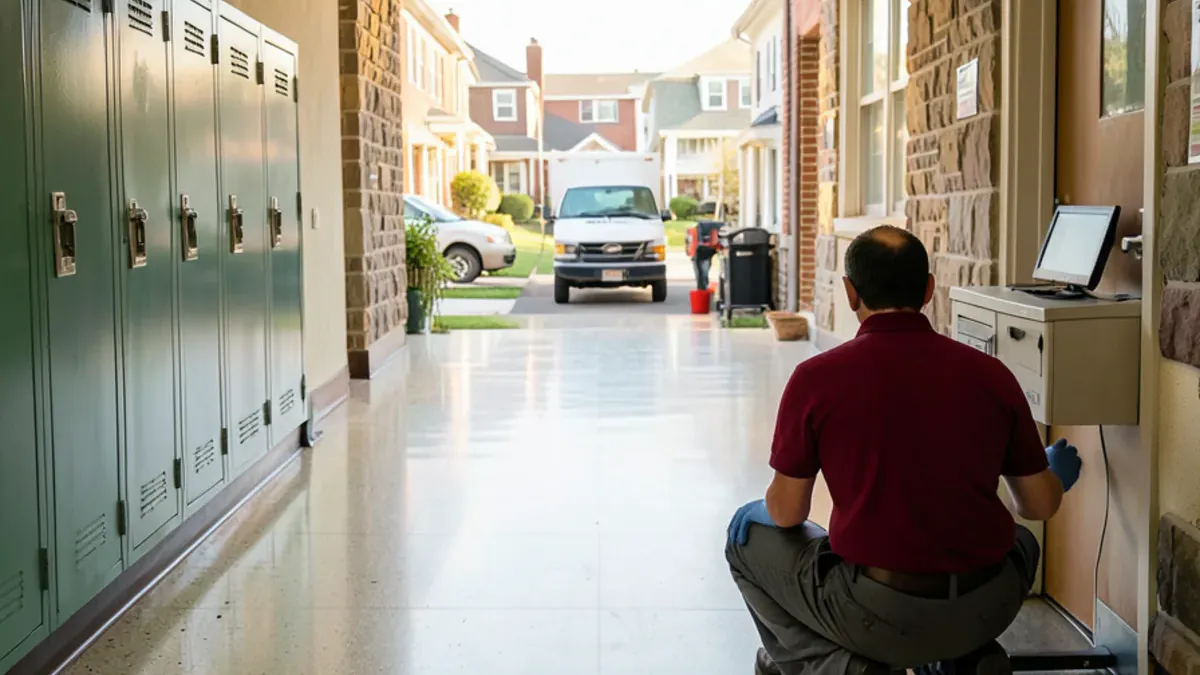
Pennsylvania school IPM is not optional for public schools: Act 35 of 2002 requires them to adopt integrated pest management plans and to notify parents and staff about pesticide applications. For administrators and facilities directors, that means pest control has to be planned, documented and explainable to a parent who calls with questions.
What does PA Act 35 ask schools to do?
Here is how the pieces fit together and where an outside provider helps. Start with the law itself, because every other piece of the plan answers to it.
At its core, the law asks two things of public schools. First, each school entity needs an integrated pest management plan, meaning a written approach that relies on inspection, monitoring, sanitation and exclusion, with pesticides used only when they are needed and in the least disruptive way. Second, schools must let parents, guardians and staff know about pesticide applications.
The Pennsylvania Department of Agriculture oversees school IPM in the state and publishes guidance on how plans and notices should work. Penn State Extension also offers school IPM resources that facilities teams find practical. Administrators should rely on those sources for the exact requirements and deadlines that apply to their district. This is general information, not legal advice.
Who is the school IPM coordinator, and what do they own?
An IPM plan needs a person who holds it together. In most districts that role, often called the school IPM coordinator, falls to a facilities director or building supervisor. The coordinator keeps the plan current, receives pest sighting reports from staff, works with the pest control provider, keeps application records and makes sure the school pesticide notification steps happen on time.
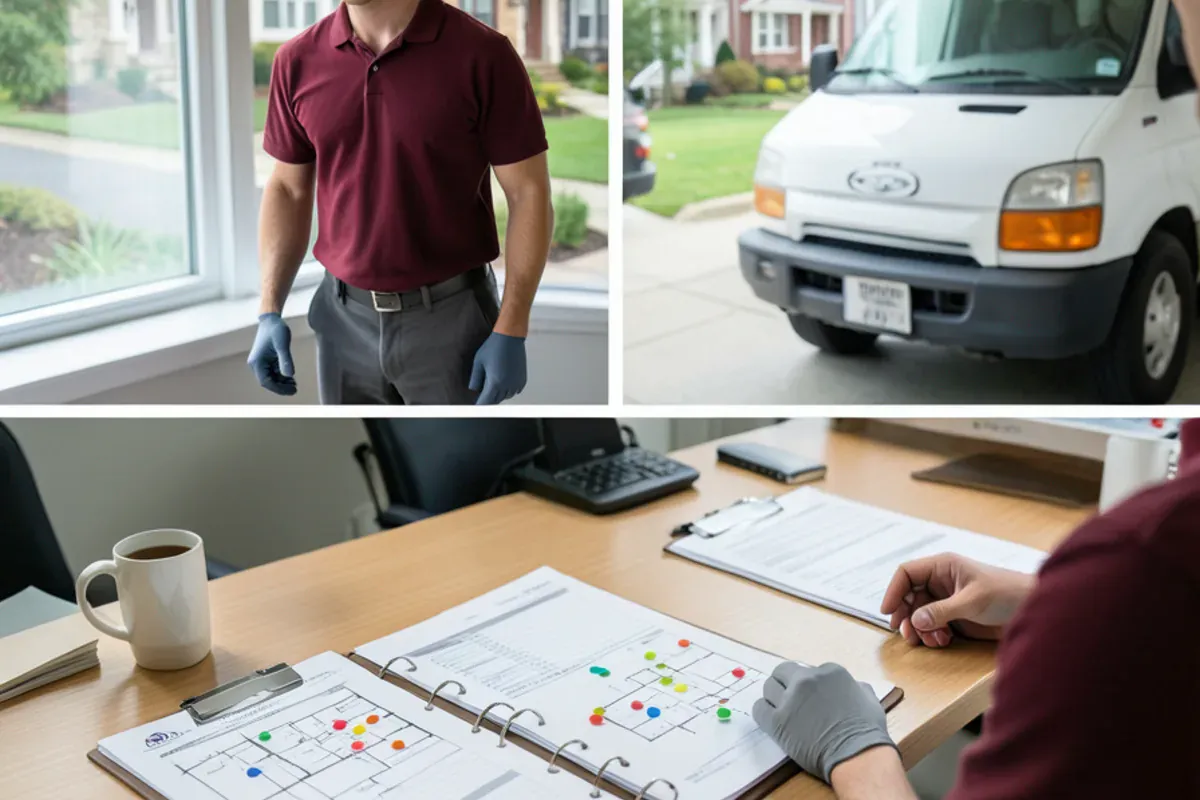
The coordinator does not need to be a pest expert. They need a system: a sighting log in each building office, a clear way for teachers and custodians to report problems, and a provider who documents what was found and what was done after every visit.
Building blocks of an IPM plan for schools
A workable plan for a Delaware County school building usually covers these elements. None of them depend on spraying.
- Routine inspection and monitoring, with sticky monitors and rodent stations placed in kitchens, storage rooms and boiler rooms.
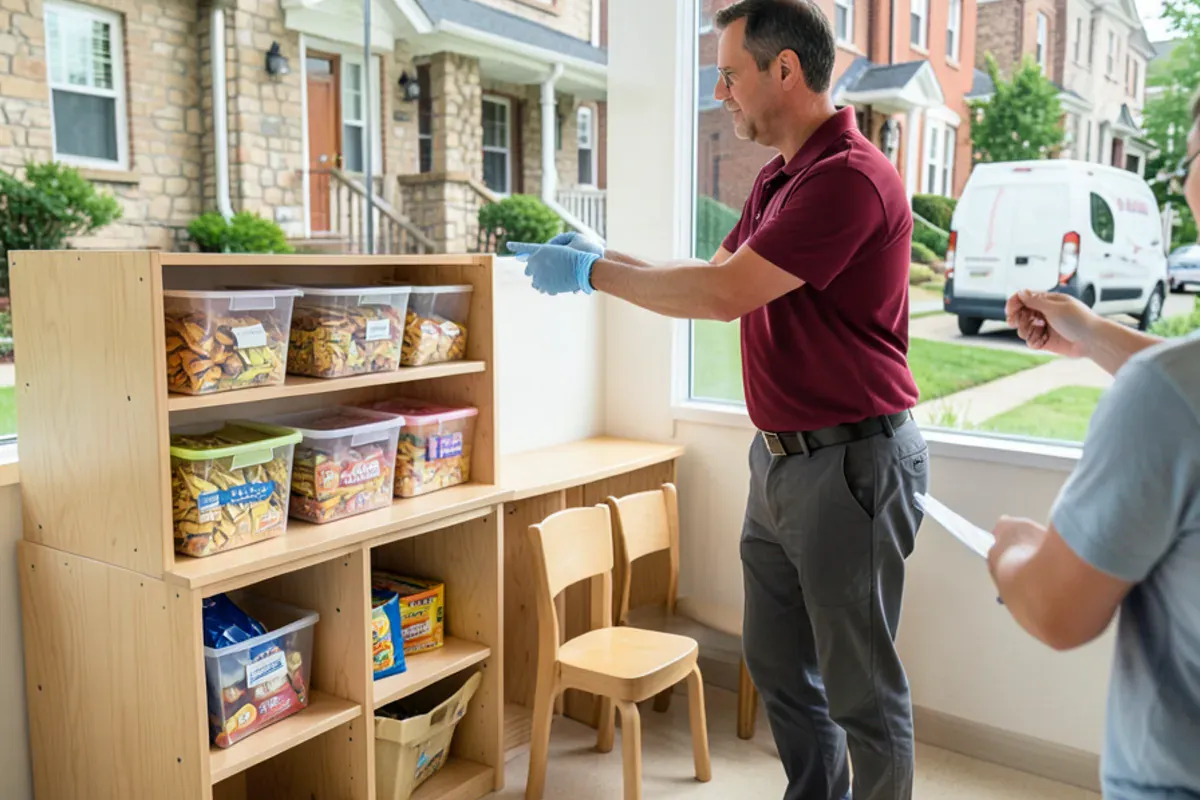
- Sanitation standards for cafeterias, faculty lounges and classrooms that allow food, including sealed snack storage.
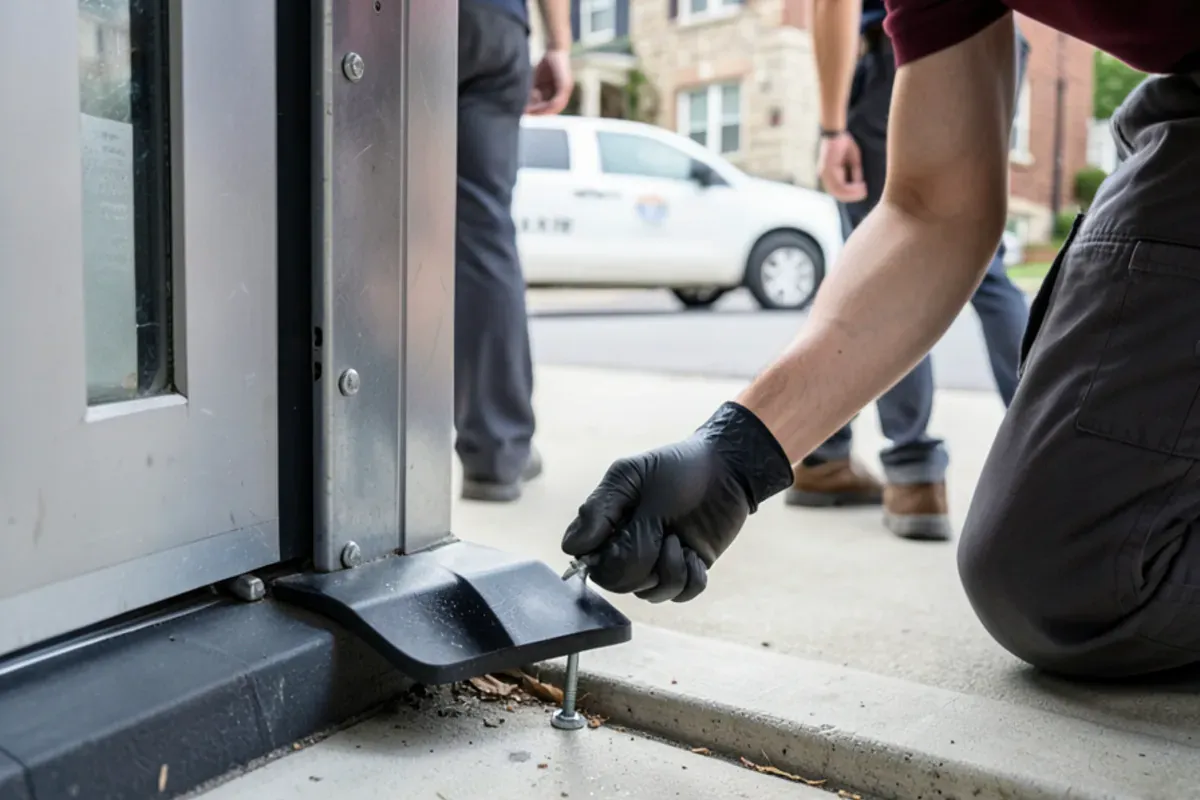
- Exclusion work: door sweeps, screen repair, and sealing pipe and conduit penetrations.
- Landscape management that keeps mulch, shrubs and dumpsters away from building walls.
- Action thresholds that define when a sighting calls for treatment rather than monitoring.
- A list of the least-risk options to try first, such as baits in cracks or traps, before any broader application.
- Pesticide notification procedures and record-keeping for every application.
Where do pests show up in school buildings?
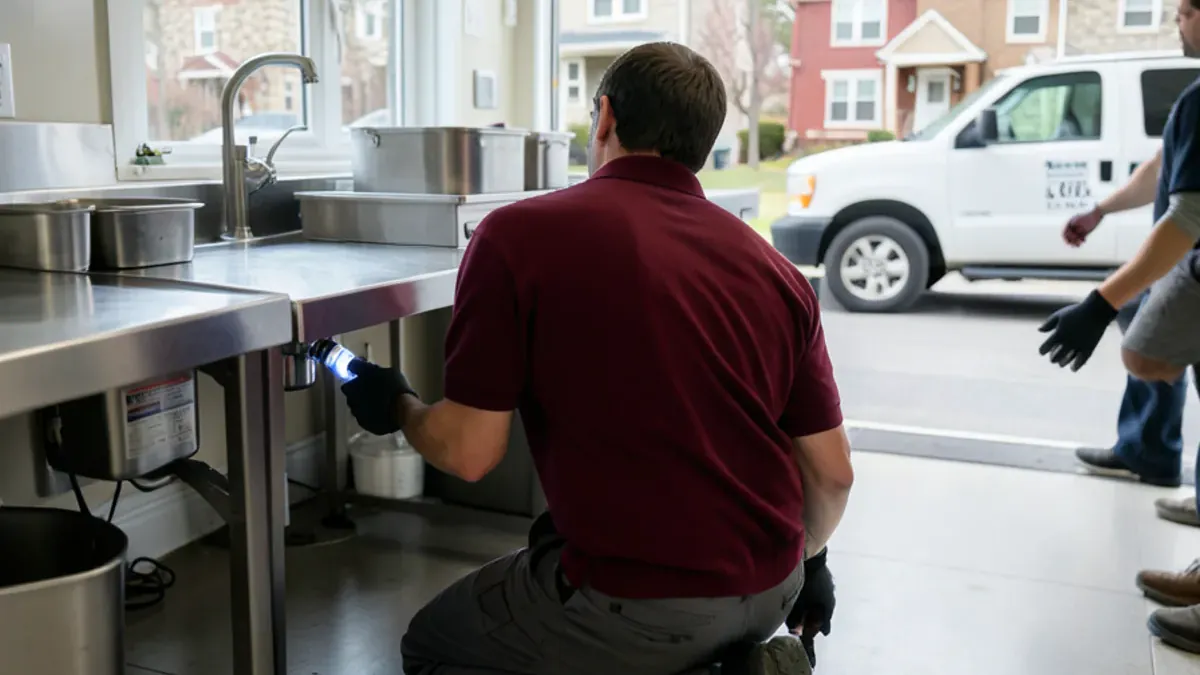
Schools have predictable trouble spots. The cafeteria kitchen and loading dock draw mice and German cockroaches. Classrooms that keep snacks in desks or cubbies attract ants and mice, especially in older buildings with gaps around radiators and heating pipes. Gyms and locker rooms can collect moisture pests, and athletic fields bring stinging insects and ticks to the edges of play areas.
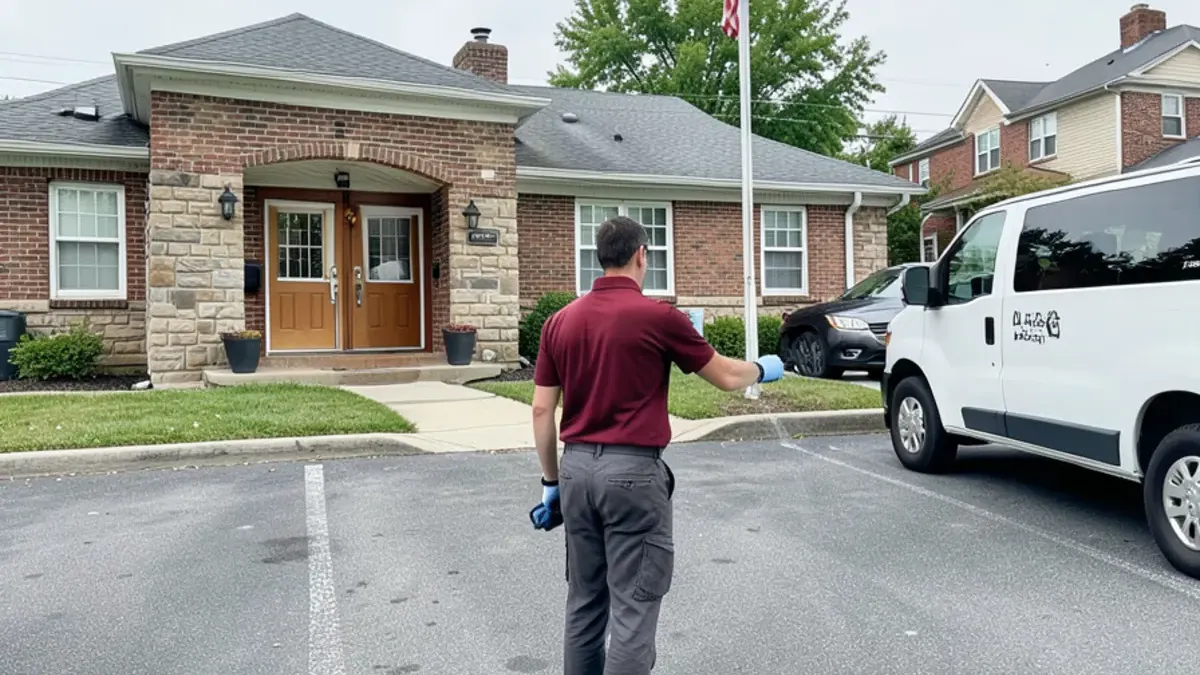
Older school buildings, which are common in the established boroughs of eastern Delaware County, tend to have worn door thresholds, unsealed utility openings and old steam pipe chases. Fixing those once often prevents years of repeat calls.
Daycare pest control and private schools
Act 35 focuses on public schools. Daycares, preschools and many private schools may not fall under the same rules, but they serve the youngest and most sensitive children, so many choose to follow the same IPM approach anyway. Families may ask about pest practices during enrollment tours, and a written plan makes that conversation easy.
For a small center, the plan can be simple: a pest sighting sheet, a provider who uses monitoring and targeted placements, sealed food storage in classrooms, and a habit of telling families before any application. Our school and daycare pest control service supports both public schools and smaller childcare programs.
How a provider supports a Pennsylvania school IPM plan
An outside provider should fit into the plan rather than replace it. That means scheduling service when students are out of the building, reporting each visit in writing, recommending repairs to the maintenance team, and giving the coordinator what they need to meet notification requirements before any application.
Ask any provider for its Pennsylvania Department of Agriculture business license number and for sample service reports before you sign on. Look at how they describe monitoring and thresholds. A provider who talks mostly about spraying schedules is not working the way an IPM plan expects. You can see how we approach facilities on our commercial pest control page.
Patterns in school and childcare buildings near Media
When we inspect school buildings, the first place we usually find mouse activity is the loading dock door, where a gap under the door or a damaged seal lets mice in at night. In childcare centers, cubbies and teacher supply closets with opened snack boxes are the most common source of ant and mouse complaints.
We are also candid with coordinators about one trade-off. A plan that aims for zero applications is a good goal, but a cafeteria with German cockroaches breeding inside equipment will not clear up with sanitation and sticky monitors alone. In that case, a gel bait placed in cracks and hinges is usually the least-risk option on the list, and it still goes through the school's notification steps before it is applied. The opposite mistake is just as common: treating for a single ant trail in a classroom that a sealed snack bin and a wipe-down would have solved.
For buildings across Delaware County, the hardest stretch for IPM is often the summer break, when buildings sit quiet, monitors go unchecked and pests settle in. A summer inspection before staff return in August catches that early.
Quick answers
Do schools have to notify parents before pest control?
Pennsylvania's Act 35 requires public schools to notify parents, guardians and staff about pesticide applications, and the Department of Agriculture's guidance explains how and when. Routine non-pesticide work such as inspection, trapping and sealing does not involve those notices. Coordinators should confirm current rules with PDA. This is general information, not legal advice.
Can pest control be done while students are in school?
Inspection and monitoring can often happen during the day without disruption, but most schools schedule any treatment for evenings, weekends or breaks. That timing keeps applications away from students and staff and gives the coordinator time to handle notification. We plan visits around the school calendar and our hours, which run 8 a.m. to 7 p.m., 7 days a week.
What is an action threshold in a school IPM plan?
It is the point at which a sighting calls for action rather than more monitoring. A plan might say one mouse or dropping in the cafeteria triggers trapping and exclusion that week, while a few ants on an outdoor bench are simply logged and watched. Writing thresholds down keeps responses consistent across buildings and gives the coordinator a clear answer when a parent asks why something was or was not treated.
What records should a school keep from each pest control visit?
Keep a written service report for every visit showing the date, areas inspected, what was found, any repairs recommended and, if a product was applied, what it was, where, how much and who applied it. File those with the sighting log and notification records in one binder or folder per building. In older Delaware County school buildings, the repair notes often matter most, since they track gaps maintenance still needs to close.
The bottom line
Pennsylvania school IPM holds up when the coordinator, custodial staff and provider share one log and one set of thresholds. If your school or childcare center wants a provider that documents every visit and leans on monitoring and exclusion first, ask Thom and his team for a free inspection of your building.
Sources
Written by the No Bugs Exterminator team
A small, family-run pest control business in Media, PA, led by owner Thom. We write about what we see on inspections in Delaware County and southeastern Pennsylvania. About us.
Services mentioned in this guide
Want a professional opinion?
Book a free inspection and get a written quote before any treatment.
- ★ 4.8 from 21 Google reviews
- Open 7 days, 8 a.m. to 7 p.m.
- Free inspection before treatment
- Family-run, based in Media, PA
Open 7 days, 8 a.m. to 7 p.m.